Can I Use US Dollars in India? A Practical Guide for Travelers
India Travel Budget & Currency Converter
Converted Amount
₹ 0.00
Based on current input
Estimated Trip Cost
Excludes alcohol, shopping, and international flights.
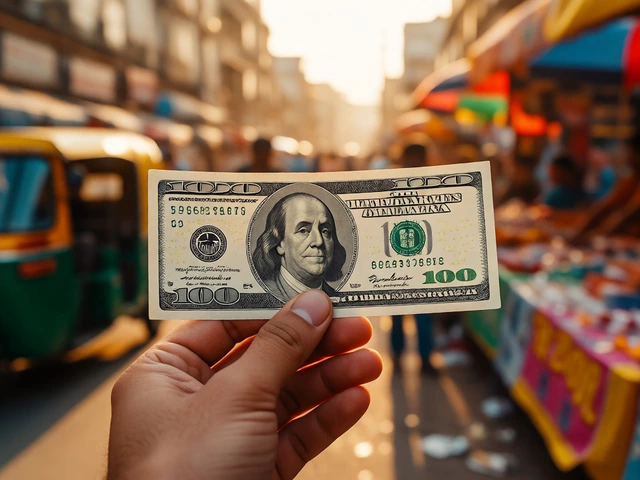
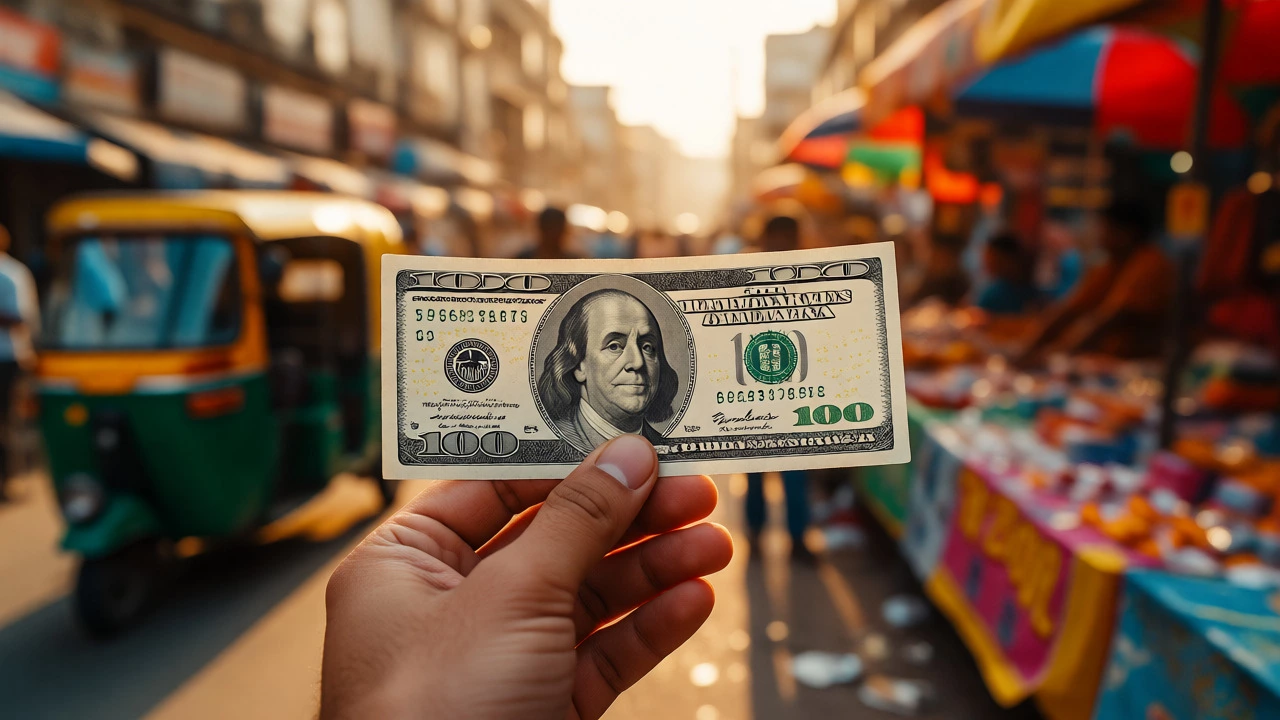
You land in Delhi or Mumbai, step out of the airport, and your first instinct is to pull out a crisp $20 bill to pay for a taxi. Does the driver take it? Probably not. And if he does, you will likely lose about 15% on the exchange rate right there on the street. The short answer to "Can I use US dollars in India?" is no, not really. You need Indian Rupees, which are the official legal tender across the country. While US dollars are recognizable, they aren't spendable cash for your chai, auto-rickshaw rides, or hotel bills.
This confusion trips up many first-time visitors from the US. They assume that because the dollar is strong globally, it works everywhere. It doesn't. In India, the economy runs on rupees (INR). If you try to pay with USD at a local market in Jaipur or a restaurant in Goa, you'll face awkward hand gestures and confused looks. But don't worry-getting rupees is easy, cheap, and safe if you know the rules. Here is exactly how to handle your money so you don't get ripped off or stuck with useless greenbacks.
Why You Can't Just Spend Dollars
India has strict foreign exchange regulations managed by the Reserve Bank of India. This means businesses are legally required to accept payment in Indian Rupees. You might find a few high-end hotels in tourist hubs like New Delhi or Bangalore that quote prices in USD, but even then, they convert it internally at a rate that favors them. You won't walk into a convenience store in Varanasi and buy water with a dollar bill. It simply doesn't work.
There is one tiny exception: duty-free shops at international airports sometimes accept major currencies, including USD, EUR, and GBP. But this is limited to luxury goods like perfume, alcohol, or electronics. For 99% of your trip, you need rupees. Trying to force a dollar transaction usually results in a terrible exchange rate or a flat refusal. Save yourself the hassle and plan to exchange or withdraw immediately upon arrival.
The Best Ways to Get Rupees
You have three main options for getting cash in India: exchanging physical USD notes, using ATMs, or relying on cards. Each has pros and cons depending on where you are and how much cash you need.
Exchanging Physical Cash
If you bring US dollars from home, you must ensure the notes are pristine. Indian banks and authorized exchange counters often reject old, torn, or marked bills. A small tear can mean your $100 note gets rejected entirely. Stick to new series $100 bills if possible. Exchange rates at airports are usually worse than in the city. Look for authorized money changers labeled "Foreign Exchange" rather than random street vendors who promise "good rates." Street vendors might offer slightly better numbers, but the risk of counterfeit notes or scams is higher. Always count your change twice.
Using ATMs
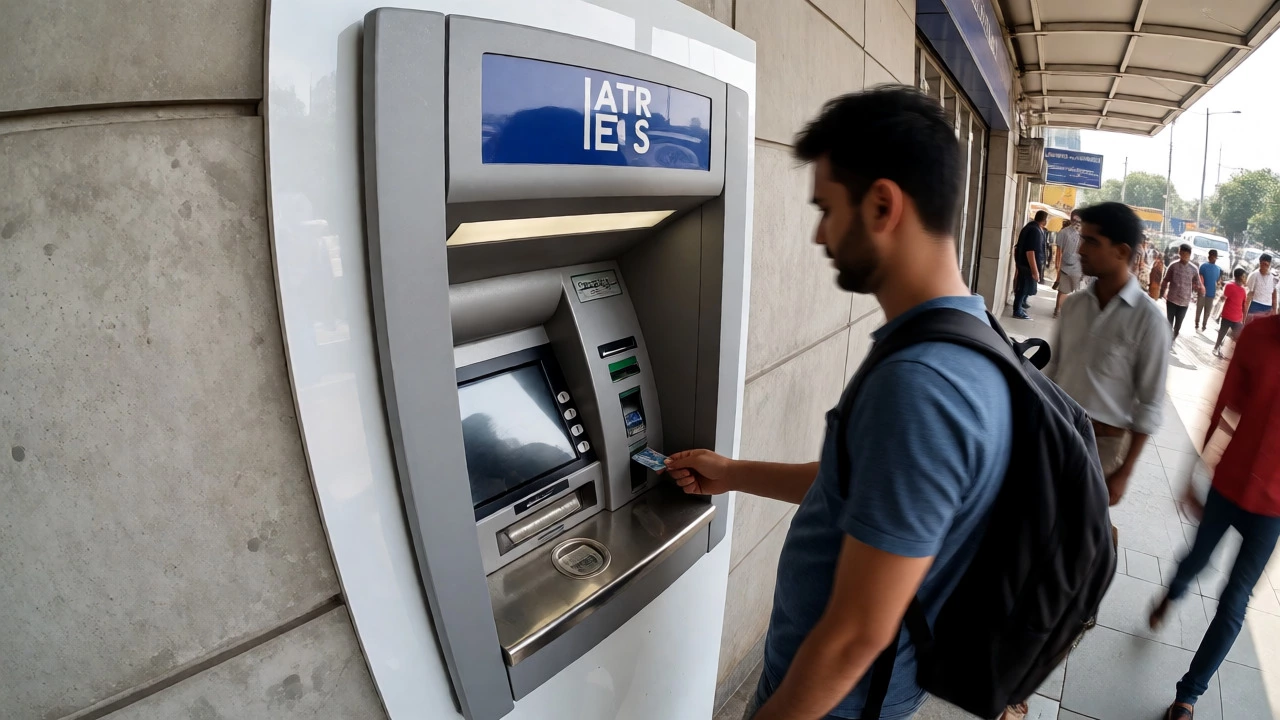
This is the most convenient method for most travelers. Most ATMs in India dispense rupees and accept Visa, Mastercard, and American Express. However, not all ATMs charge the same fees. Some bank-specific ATMs (like SBI, HDFC, or ICICI) have lower surcharges compared to private network machines. Expect to pay a fixed fee per withdrawal, often around ₹200-₹300 (roughly $2.50-$3.50), plus any fees your home bank charges. Withdrawing larger amounts less frequently saves you money on these fixed fees. Keep in mind that daily withdrawal limits vary; some ATMs cap you at ₹10,000 per transaction, while others allow up to ₹40,000.
Credit and Debit Cards
Cards are widely accepted in cities, hotels, and large restaurants. Contactless payments are growing fast in metros like Mumbai and Delhi. However, rural areas and smaller towns still run on cash. Always carry a backup card because terminals fail, and networks drop. Also, check if your card charges a foreign transaction fee. Many premium travel cards waive this, saving you 3% per swipe. If you use a debit card for ATM withdrawals, understand that dynamic currency conversion (DCC) traps exist. When an ATM asks if you want to be charged in USD or INR, always choose INR. Choosing USD lets the machine set its own poor exchange rate, costing you more.
How Much Money Do You Actually Need?
Budgeting in India depends heavily on your travel style. The cost difference between backpacking and luxury stays is massive. Here is a realistic breakdown for 2026 based on current average costs.
| Travel Style | Daily Cost (USD) | Accommodation | Food & Transport |
|---|---|---|---|
| Backpacker | $25 - $40 | Hostel dorm or budget guesthouse ($5-$10) | Street food, local trains, buses |
| Mid-Range | $60 - $100 | 3-star hotel or boutique stay ($20-$40) | Restaurants, Uber/Ola, AC buses/trains |
| Luxury | $200+ | 5-star resorts or heritage hotels ($80+) | Fine dining, private cars, flights |
These numbers cover accommodation, food, transport, and basic activities. Alcohol and shopping are extra. Remember that tipping is customary but not mandatory in the same way as in the US. Rounding up or leaving 5-10% at sit-down restaurants is polite. For street vendors, just pay the asking price.
Digital Payments: The UPI Revolution
You might hear locals talking about UPI (Unified Payments Interface). This is India's instant payment system, similar to Venmo or PayPal but faster and integrated directly into bank accounts. Apps like PhonePe, Google Pay, and Paytm dominate the market. As a foreigner, you cannot easily link a US bank account to these apps without a local SIM and Indian bank details, though some tourists manage it with prepaid SIMs. For most visitors, UPI isn't a primary tool unless you plan a long stay. Don't stress about missing out; cash and cards still work fine. Just be aware that seeing someone scan a QR code instead of handing over cash is normal behavior now, even for buying vegetables.
Pitfalls to Avoid
Money scams in India are common but predictable. Here are the big ones:
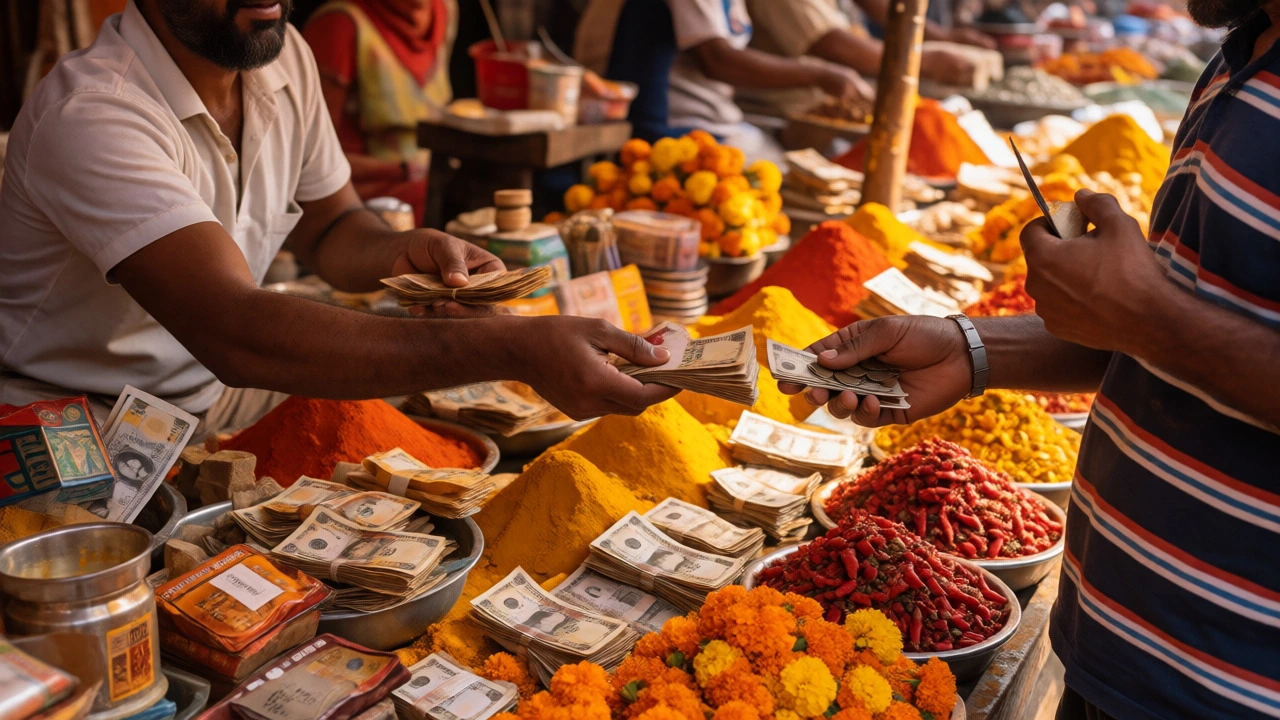
- The "Change" Scam: Vendors claim they don't have change for a large note. You hand over a $100 equivalent, and they give you back less. Always break large notes at a shop or bank before going to markets.
- Counterfeit Notes: Check the watermark and security thread on every large denomination note you receive. Fake ₹500 and ₹2000 notes occasionally circulate.
- ATM Skimming: Wiggle the card slot before inserting. If it feels loose or fake, move to another machine. Cover the keypad when entering your PIN.
- Dynamic Currency Conversion: As mentioned, never let the ATM or card terminal convert your purchase to USD. Let your bank do it at their rate, which is usually better.
Bringing Money Back Home
You can't take unlimited rupees out of India. There are restrictions on exporting Indian currency. Generally, you can only take out up to ₹25,000 in cash per person. Any leftover rupees should be spent on souvenirs or converted back to USD at the airport before you leave. Airport exchange booths are open 24/7, but again, expect mediocre rates. Don't hoard too much cash near the end of your trip.
So, can you use US dollars in India? Technically, yes, but practically, no. Treat your USD as a reserve asset to be exchanged for INR. Plan ahead, keep your bills clean, use trusted ATMs, and say no to dynamic currency conversion. Follow these steps, and you'll navigate India's financial landscape smoothly, focusing on the culture and sights rather than counting coins.
Do I need to declare my US dollars when entering India?
Yes, if you carry more than USD 5,000 in cash or USD 10,000 in total (cash plus traveler's checks), you must declare it on the Customs Declaration Form upon arrival. This helps prevent money laundering issues. Keeping receipts from exchanges is also wise.
Are US dollars worth more than Indian Rupees?
Yes, significantly. One US Dollar buys approximately 83-84 Indian Rupees as of late 2026. This favorable exchange rate makes travel in India very affordable for Americans, allowing for a comfortable lifestyle on a modest budget.
Can I use American Express in India?
American Express is accepted in major hotels, upscale restaurants, and some large retail stores in metropolitan cities. However, acceptance is far less widespread than Visa or Mastercard. Never rely solely on Amex; always carry a Visa or Mastercard debit/credit card as a backup.
Is it safe to carry cash in India?
Generally, yes, but practice common sense. Avoid flashing large amounts of cash in crowded markets. Use a money belt or front pocket. Split your cash into different pockets. Pickpocketing exists in tourist hotspots, so vigilance is key, especially on trains and in busy bazaars.
What is the best denomination of US dollar to bring?
Bring $100 bills in good condition. They offer the best value and are easiest to exchange. Avoid $1, $5, or $10 bills as exchange counters often reject them or offer poor rates. Ensure the bills are not folded, stained, or written on.



About Author

Popular Posts