Where is the Most Beautiful Hike in the World? India’s Top Trekking Contenders
Find Your Perfect Indian Trek
Not sure which of India's most beautiful hikes suits you? Answer these quick questions to find your perfect match.
Ask ten hikers for the single most beautiful trail on Earth, and you’ll get eleven different answers. That’s because beauty isn’t just about scenery; it’s about effort, altitude, culture, and that specific moment when your lungs burn but your heart feels full. While Switzerland’s Eiger Trail or Peru’s Inca Trail often top global lists, there’s a growing consensus among serious adventurers that India holds some of the planet’s most visually staggering and spiritually resonant hiking routes. If you’re hunting for the definitive answer to "where is the most beautiful hike," you need to look beyond the postcards and into the high-altitude passes and misty forests of the subcontinent.
The Case for Roopkund: The Skeleton Lake Mystery
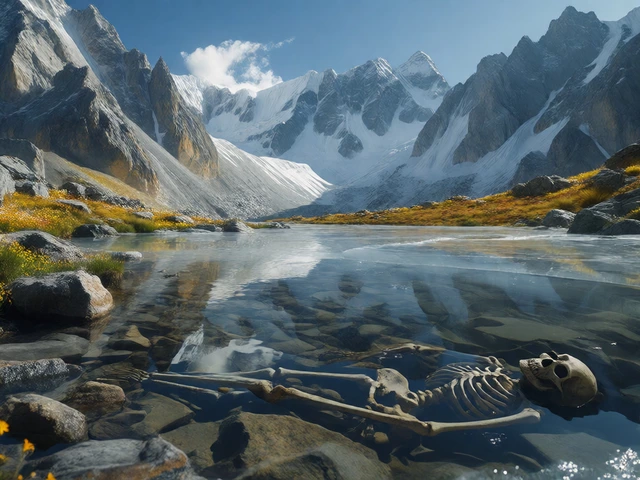
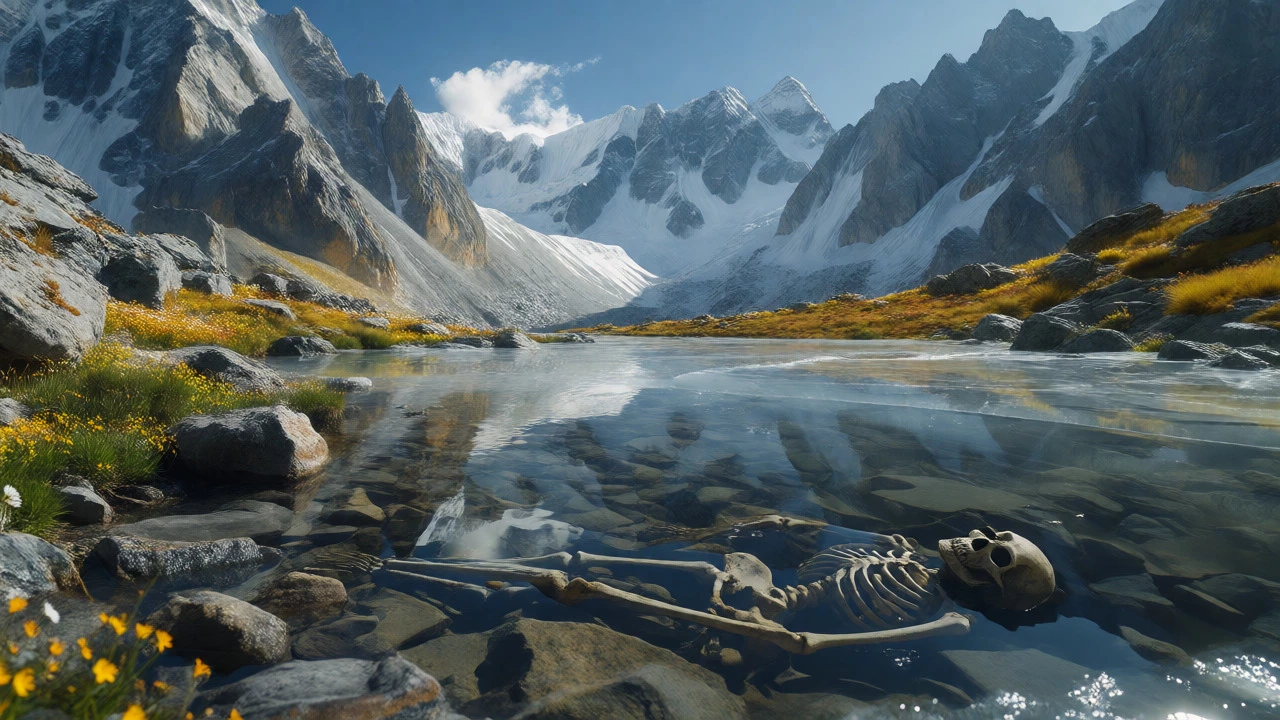
If we had to pick one contender for the title of the world’s most dramatic visual experience, it has to be the trek to Roopkund Lake in Uttarakhand. Imagine walking through alpine meadows carpeted with wildflowers, climbing past glaciers, and suddenly arriving at a frozen lake surrounded by jagged peaks. Now, imagine that lake is littered with hundreds of ancient human skeletons. This isn’t a horror movie set; it’s a real phenomenon dating back to the 9th century. The clarity of the water allows you to see bones beneath the surface, creating an eerie, haunting beauty that few other hikes can match.
What makes Roopkund stand out isn’t just the macabre mystery, but the sheer diversity of terrain. You start in dense oak and rhododendron forests, move into barren rocky slopes, and finish above 15,000 feet where the air is thin and the stars are blindingly bright. The physical challenge filters out casual tourists, meaning you share this surreal landscape with only a handful of like-minded explorers. It’s raw, it’s remote, and it forces you to confront both nature’s grandeur and its indifference to human life.
Kashmir Great Lakes: A Symphony of Blue
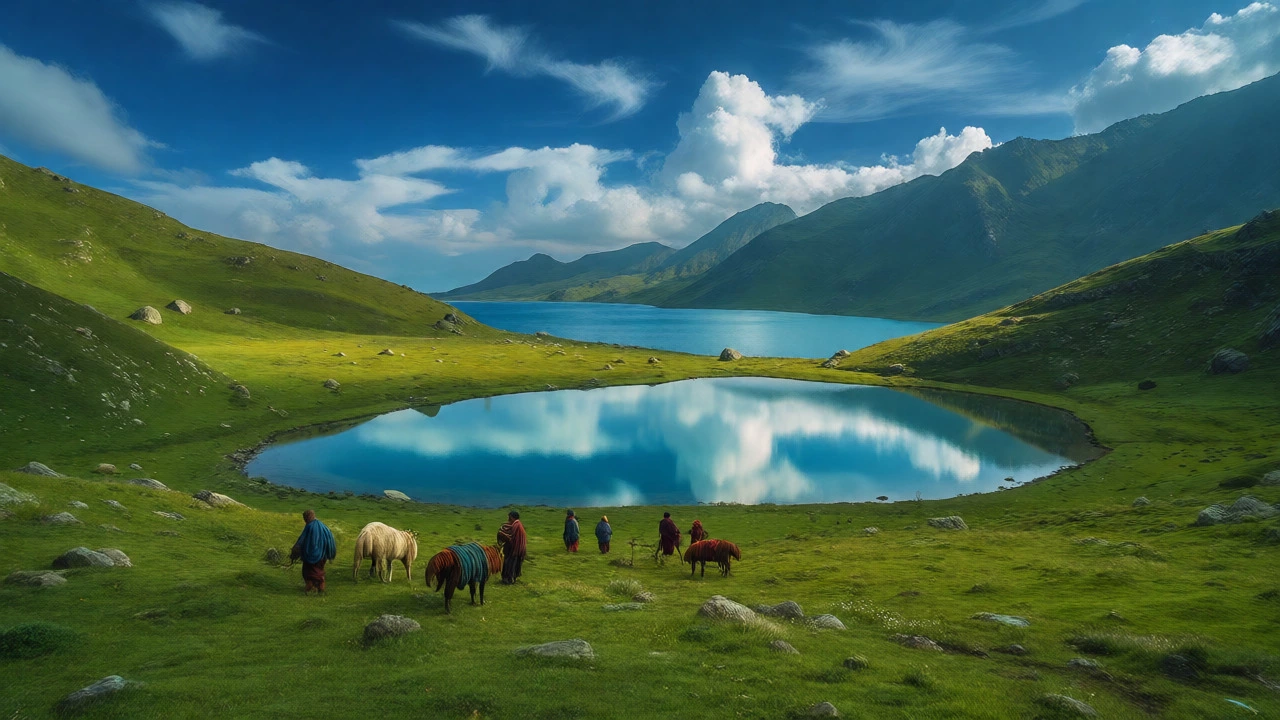
For those who define beauty as color saturation and tranquility, the Kashmir Great Lakes trek is arguably unbeatable. This route takes you across three distinct high-altitude lakes-Vishansar, Kishansar, and Gadsar-each reflecting the sky in shades of turquoise and sapphire. Unlike the rugged chaos of Roopkund, Kashmir offers a pastoral elegance. You’ll pass through lush meadows known locally as "marghs," grazing herds of Gujjar shepherds’ flocks, and villages where time seems to have slowed down.
The logistics here are surprisingly comfortable compared to other Himalayan treks. Local guides and porters are highly skilled, and the infrastructure supports multi-day journeys without excessive camping hardships. The highlight is undoubtedly the view from Mahanagad Pass, which looks down upon the entire chain of lakes. Standing there, wind whipping against your jacket, looking at those impossibly blue waters nestled in green valleys, you understand why locals call this region "Paradise on Earth." It’s not just a metaphor; it’s a literal description of the visual feast before you.
The Living Root Bridges of Meghalaya
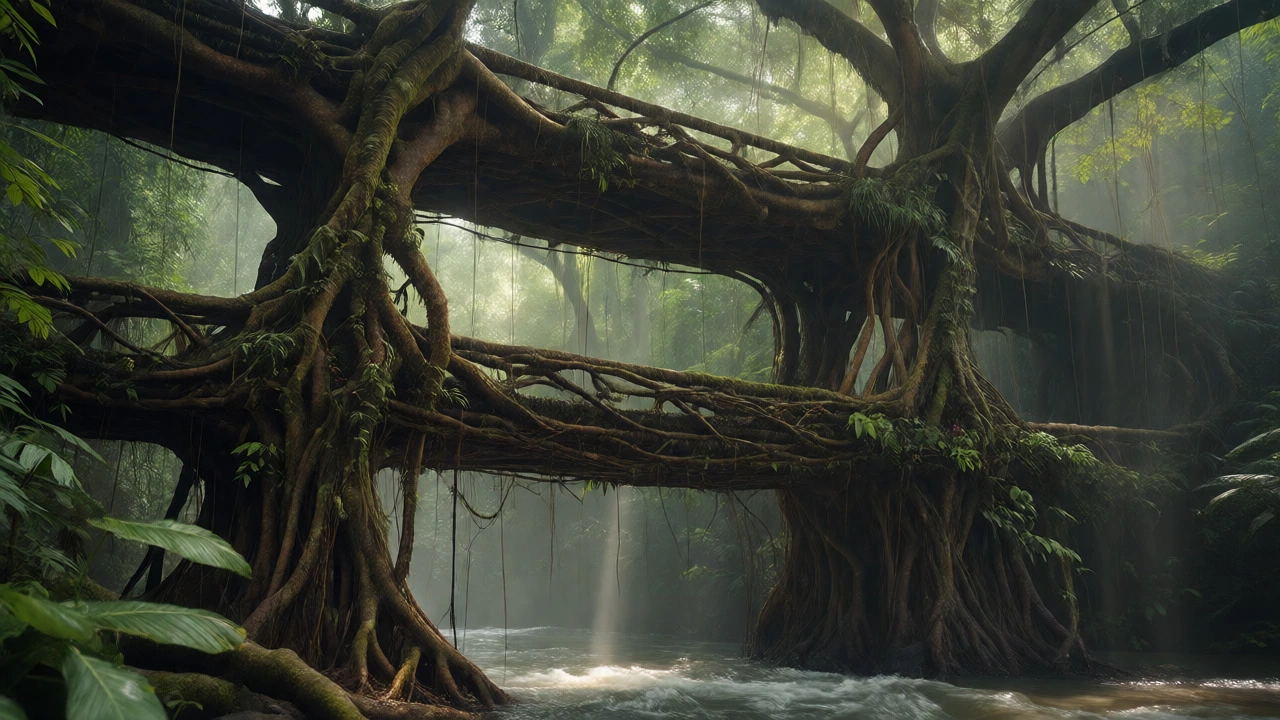
Not all beautiful hikes involve snow-capped peaks. Sometimes, the most breathtaking trails are found in the wettest place on Earth: Meghalaya. The Double Decker Living Root Bridge trek in Nongriat village offers a completely different aesthetic. Here, the beauty is biological and architectural. Over centuries, local Khasi people guided the roots of rubber fig trees across rivers, training them to form sturdy, living bridges.
Hiking here means descending nearly 3,500 steps into a jungle so thick the sunlight barely touches the forest floor. The humidity is intense, the leeches are persistent, but the reward is stepping onto a bridge that is literally alive. Moss covers the roots, ferns sprout from crevices, and the structure sways gently underfoot. It’s a testament to human patience and ecological harmony. For photographers and nature lovers, this trek provides textures and greens that don’t exist anywhere else in the world. It challenges the conventional idea of what constitutes a "beautiful" hike by proving that intricate, organic engineering can be just as awe-inspiring as mountain vistas.
Hampta Pass: The Gateway Between Worlds
If you want variety in a single day, the Hampta Pass trek in Himachal Pradesh is the ultimate cheat code. One side of the pass offers the lush, green valleys of Kullu, while the other reveals the arid, stark landscapes of Lahaul and Spiti. Crossing the pass is like walking through two different planets in the span of a few hours.
This contrast creates a dynamic visual narrative that keeps your brain engaged. You might spend the morning crossing suspension bridges over roaring rivers, surrounded by pine trees, and the afternoon navigating boulder fields under a harsh, dry sun. The drive-out to Manali afterward is equally scenic, winding along the Beas River. Hampta is accessible, relatively short (4-5 days), and incredibly photogenic. It’s perfect for those who feel overwhelmed by choosing between forest and desert-the trek gives you both.
Comparing India’s Top Treks
Choosing the "most beautiful" hike depends on what kind of beauty you value. Do you prefer mystery, serenity, biodiversity, or dramatic contrasts? Here’s how these top contenders stack up against each other.
| Trek Name | Region | Best For | Difficulty Level | Unique Feature |
|---|---|---|---|---|
| Roopkund | Uttarakhand | Mystery & High Altitude Lovers | Moderate-High | Ancient human skeletons visible in lake |
| Kashmir Great Lakes | Jammu & Kashmir | Scenic Photography & Comfort | Moderate | Three pristine high-altitude lakes |
| Living Root Bridges | Meghalaya | Nature Enthusiasts & Culture | Moderate (Strenuous descent) | Centuries-old trained tree root structures |
| Hampta Pass | Himachal Pradesh | Landscape Variety & Beginners | Easy-Moderate | Crossing from lush green to arid desert |
Why Global Lists Often Miss India
You might wonder why these treks aren’t always #1 on international travel blogs. Part of it is accessibility. Getting to Roopkund or the Living Root Bridges requires more logistical planning than taking a train to Interlaken. Another factor is seasonality. Many of these Indian treks are only open for 3-4 months a year due to heavy monsoon rains or snow closure. This scarcity actually adds to their allure. When the window opens, thousands of trekkers rush in, knowing they have a limited chance to witness these landscapes in their prime.
Furthermore, the cultural immersion is deeper in India. On the Kashmir trek, you’re likely to share tea with nomadic shepherds. In Meghalaya, you’re walking through communities that maintain matrilineal traditions. These interactions add layers of beauty that pure geography can’t provide. The smile of a local guide, the taste of momos after a long climb, the sound of temple bells echoing off canyon walls-these sensory details make the experience richer than just seeing pretty views.
Practical Tips for Your Next Adventure
Before you book your flight to Delhi or Kolkata, consider these practical realities. First, acclimatization is non-negotiable for Himalayan treks. Rushing to high altitudes leads to Acute Mountain Sickness (AMS), which can ruin your trip. Plan for rest days. Second, hire local guides. They know the safe paths, the weather patterns, and the stories behind the rocks. Third, pack for four seasons. Even in summer, nights in Roopkund can drop below freezing, while Meghalaya will soak you to the bone with rain.
Also, respect the environment. These trails are fragile. The "leave no trace" principle is critical, especially in areas like Roopkund where the ecosystem is recovering from tourism pressure. Carry your trash out. Don’t disturb the skeletons. Don’t carve your name into the root bridges. Preserve the beauty you came to see.
Is Roopkund trek suitable for beginners?
No, Roopkund is considered moderate to difficult. It involves high altitudes (up to 16,000 feet) and uneven terrain. Beginners should try easier treks like Hampta Pass first to gauge their fitness levels before attempting Roopkund.
When is the best time to visit the Living Root Bridges?
The best time is October to March. During these months, the weather is pleasant, and the risk of landslides or extreme rainfall is lower. Avoid the peak monsoon months (June-September) as the trails become slippery and dangerous.
Do I need special permits for these treks?
Yes, many Himalayan treks require Inner Line Permits or Forest Department permits. For Roopkund, you need a permit from the Forest Department. For Kashmir, you may need registration depending on the current security situation. Always check with local tour operators for the latest requirements.
How fit do I need to be for the Kashmir Great Lakes trek?
You should be able to walk 6-8 km daily with a light backpack for several consecutive days. Cardio exercises like jogging, cycling, or swimming for at least 2-3 months prior to the trek are highly recommended to build stamina.
Are these treks safe for solo travelers?
While possible, solo trekking in remote areas like Roopkund or Meghalaya carries risks. It is generally safer and more enjoyable to join a group or hire a certified local guide. Communication networks can be spotty, so having support is crucial.
About Author