What Is Ethnic Tourism in India? A Guide to Tribal and Cultural Travel
Ethnic Tourism Destination Planner
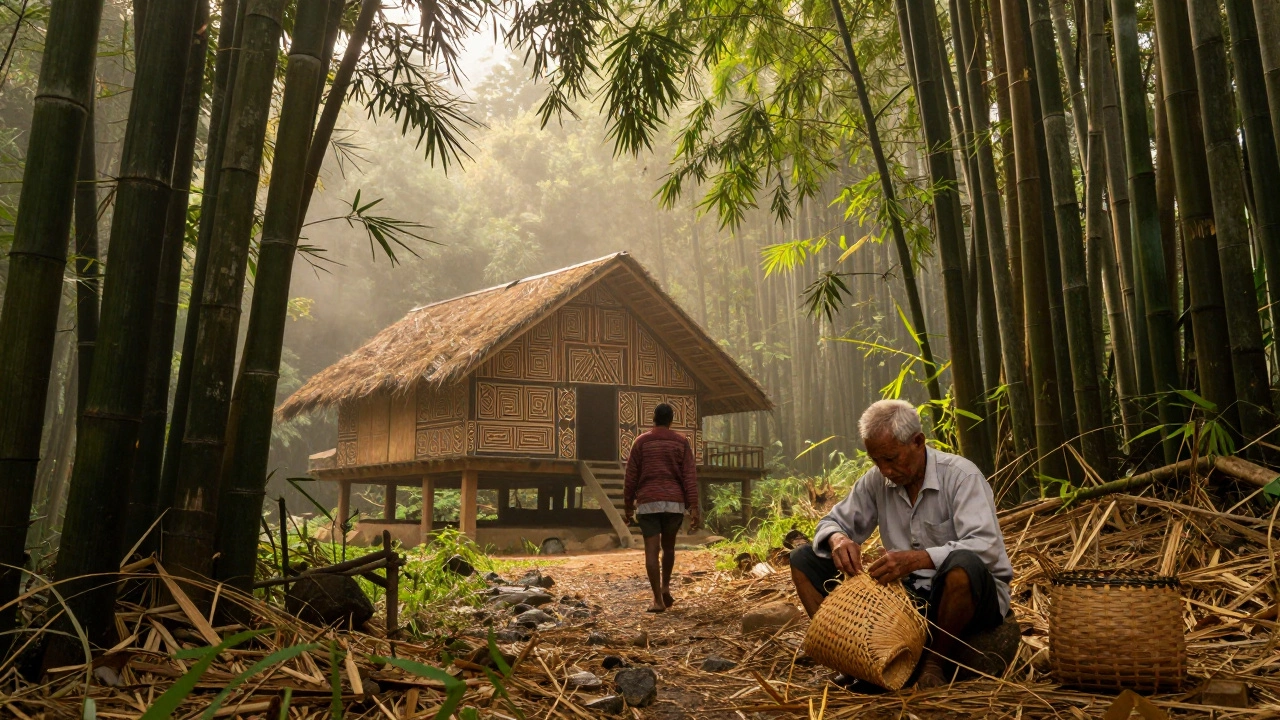
Imagine walking through a dense bamboo forest in the Western Ghats. The air smells of wet earth and woodsmoke. Ahead, you see a longhouse painted with intricate geometric patterns. Inside, elders are weaving baskets using techniques passed down for centuries. You are not just watching a performance; you are stepping into a living culture that has existed largely on its own terms for millennia.
This is Ethnic tourism, defined as travel focused on visiting indigenous or tribal communities to experience their unique cultures, traditions, and ways of life. In India, this form of travel goes far beyond sightseeing. It connects visitors with the country's diverse indigenous populations, often referred to as Scheduled Tribes (STs), who constitute about 8.6% of the population but hold a disproportionate share of the nation's cultural heritage.
If you have ever wondered how to travel responsibly while supporting local economies, understanding ethnic tourism is your first step. It challenges the traditional tourist model by placing community consent, cultural preservation, and economic equity at the center of the experience.
The Landscape of Indigenous India
To understand ethnic tourism, you must first understand who these communities are. India is home to over 700 distinct tribal groups. They are not a monolith. Each group has its own language, rituals, social structures, and relationship with nature. From the Gonds of Central India to the Todas of the Nilgiris, the diversity is staggering.
Scheduled Tribes are constitutionsally recognized indigenous communities in India granted specific protections and rights to preserve their identity and land. These groups often live in geographically isolated areas-dense forests, high hills, or remote islands. This isolation has helped preserve their traditions but also makes them vulnerable to outside influence. When tourists arrive, they bring money, yes, but also new ideas, technologies, and potential disruptions.
The key difference between standard cultural tourism and ethnic tourism lies in the power dynamic. Standard tourism often treats culture as a commodity to be consumed. Ethnic tourism, when done right, treats the host community as partners. The goal is mutual exchange, not extraction.
Why It Matters: Beyond the Photo Op
You might ask, why does this distinction matter? Because the stakes are high. Many tribal communities face threats from deforestation, mining, and rapid modernization. Tourism can be a double-edged sword. If managed poorly, it leads to commodification, where sacred rituals become staged shows for applause. If managed well, it provides an alternative income source that values tradition over exploitation.
Consider the case of the Warli tribe in Maharashtra. Known for their distinctive stick-figure paintings, Warli art was once purely ritualistic. Today, ethical ethnic tourism initiatives help artists sell authentic artwork directly to buyers, bypassing exploitative middlemen. The revenue supports education and healthcare within the village. Here, tourism acts as a tool for empowerment rather than erosion.
However, we must acknowledge the risks. There is a history of "human zoos" in global tourism, where marginalized groups were displayed for entertainment. Ethical ethnic tourism rejects this entirely. It requires informed consent from the community leaders before any visitor enters their space. It ensures that the majority of profits stay within the community. Without these safeguards, tourism becomes another form of colonization.
Top Destinations for Authentic Experiences
India offers several regions where ethnic tourism is developing sustainably. These destinations prioritize low-impact travel and deep engagement.
| Region | Key Tribes | Unique Experience | Best Time to Visit |
|---|---|---|---|
| Northeast India (Meghalaya) | Khasi, Jaintia, Garo | Living root bridges, matrilineal society insights | October to March |
| Central India (Madhya Pradesh) | Bhil, Gond, Baiga | Tribal dance festivals, forest craft workshops | November to February |
| South India (Karnataka) | Kodava, Soliga | Jungle homestays, spice farming tours | September to May |
| Western India (Goa/Konkan) | Konkani, Gawda | Coconut palm climbing, fishing techniques | December to February |
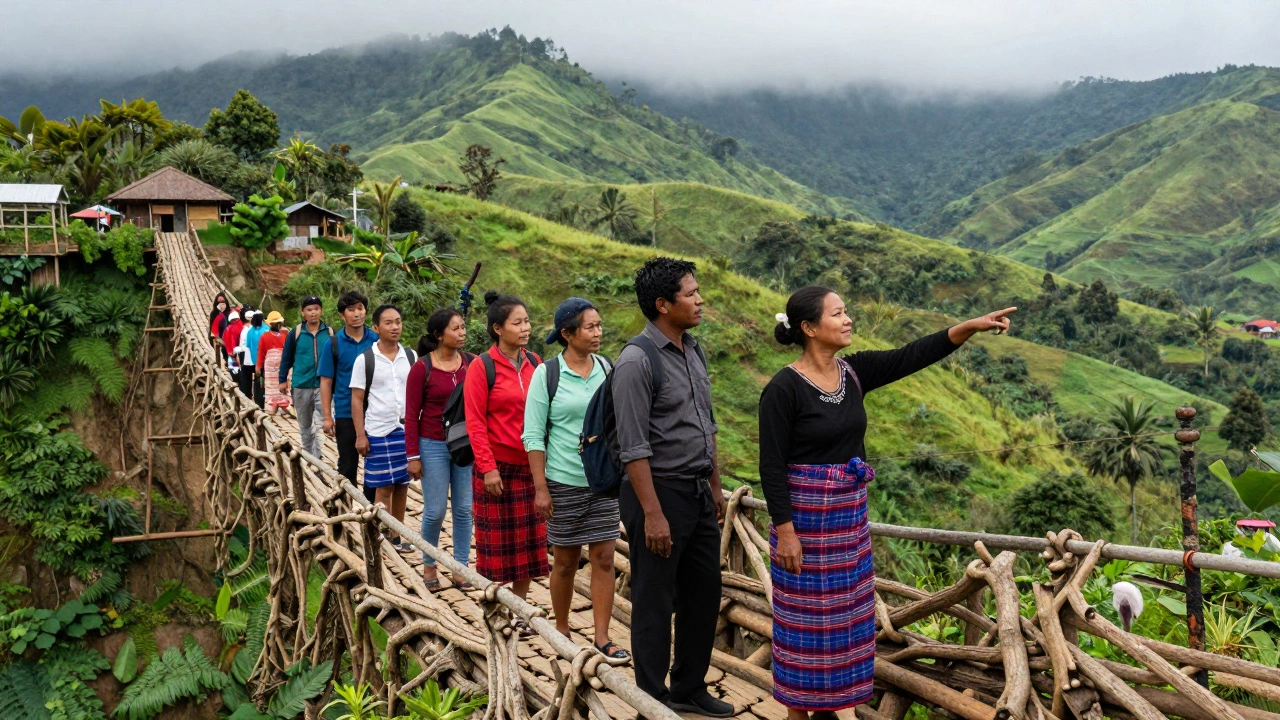
In Meghalaya, the Khasi people offer some of the most structured ethnic tourism experiences. Their society is matrilineal, meaning property and lineage pass through women. Visitors can stay in homestays run by Khasi families, learning about their Christian-Hindu syncretic faiths and their stewardship of the famous living root bridges. The experience is less about spectacle and more about daily life integration.
In Madhya Pradesh, the Bhil tribe is renowned for its vibrant folk art and music. Community-based tourism projects here allow visitors to participate in harvest festivals and learn traditional hunting-gathering skills (now mostly symbolic due to conservation laws). The focus is on oral history and storytelling, preserving narratives that written records often miss.
How to Practice Responsible Ethnic Tourism
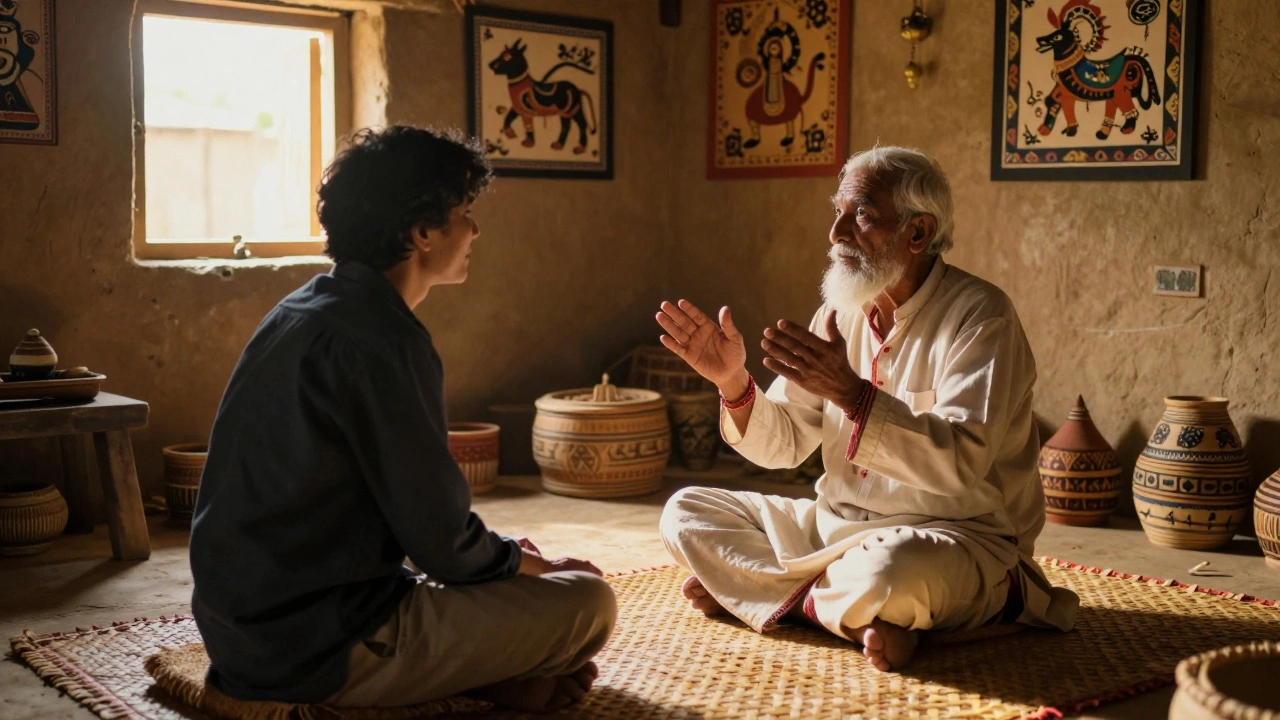
So, how do you ensure your visit is respectful? It starts with mindset. You are a guest, not a consumer. Here are practical steps to follow:
- Choose Community-Led Operators: Look for tour operators owned or co-managed by the tribal community itself. Avoid large commercial agencies that take 80% of the profit. Organizations like Society for Education, Ecology and Development (SEED) in Karnataka work closely with the Soliga tribe to manage ecotourism.
- Respect Privacy and Rituals: Not everything is for public viewing. Some ceremonies are sacred and closed to outsiders. Always ask permission before taking photos. Better yet, put the camera away and engage with your eyes and ears.
- Spend Locally: Buy handicrafts directly from artisans. Eat food prepared by the family. Use local guides. Every rupee spent locally strengthens the community's economy.
- Dress Modestly: Many tribal communities have conservative dress codes. Wearing bright, revealing clothing can be seen as disrespectful. Ask your hosts what is appropriate attire.
- Listen More Than You Speak: You are there to learn, not to lecture. Avoid imposing your worldview. Respect their customs even if they differ from yours.
A common mistake tourists make is assuming poverty equals backwardness. This is a harmful stereotype. Tribal communities often possess sophisticated knowledge systems regarding medicine, agriculture, and ecology. Approach them with humility and curiosity, not pity.
The Economic Impact: Who Benefits?
Let’s talk numbers. In successful models of ethnic tourism, up to 70-90% of revenue stays within the community. This contrasts sharply with mass tourism, where leakage to external corporations can exceed 50%. For a village in Odisha, income from homestays and craft sales can fund a new school building or a clean water project.
However, dependency is a risk. If tourism stops (due to pandemics, political unrest, or natural disasters), the community suffers. Diversification is key. Many villages combine tourism with organic farming or handicraft exports to create a resilient economy. As a traveler, you can support this by buying products that are made for sale, not just souvenirs made specifically for tourists.
Challenges and Controversies
We cannot ignore the criticisms. Some anthropologists argue that any form of tourism inevitably alters the culture being observed. The "Gaze" of the outsider changes behavior. People may start performing their culture rather than living it. This is known as "staged authenticity."
Another issue is land rights. Tourist infrastructure sometimes encroaches on protected tribal lands. In recent years, there have been protests in states like Jharkhand and Chhattisgarh against mining and tourism projects that displace communities without adequate compensation. Ethical travelers must stay informed about current conflicts and avoid destinations where communities are actively resisting development.
Furthermore, there is the question of representation. Who tells the story? Often, it is the external guide or the marketing agency. True ethnic tourism empowers locals to narrate their own histories. Look for tours where the guide is a member of the tribe, explaining their own traditions in their own words.
Planning Your Trip: Practical Tips
Ready to go? Here is what you need to know practically.
- Permits: Many tribal areas fall under Protected Areas or Restricted Zones. You may need Inner Line Permits (ILP) especially in Northeast India. Check with local tourism departments well in advance.
- Health Precautions: Remote areas may lack advanced medical facilities. Carry a comprehensive first-aid kit. Vaccinations for Hepatitis A, Typhoid, and Tetanus are recommended. Malaria prophylaxis may be needed depending on the region and season.
- Connectivity: Do not expect reliable Wi-Fi or mobile networks. Embrace the disconnect. Download offline maps and translation apps beforehand.
- Cash is King: Digital payments rarely work in remote tribal villages. Carry sufficient small-denomination Indian Rupees for purchases and tips.
Booking should be done through reputable NGOs or government-certified eco-tourism initiatives. The Ministry of Tourism in India has launched several "Tribal Tourism" circuits that adhere to strict guidelines. Using these official channels ensures that standards of conduct and benefit-sharing are monitored.
The Future of Ethnic Tourism in India
As awareness grows, so does demand for authentic experiences. The future lies in "slow tourism"-spending weeks rather than days in one location, forming genuine connections. Technology can play a role too, with virtual reality previews allowing communities to control how they are represented online before physical visitors arrive.
Ultimately, ethnic tourism in India is not just about seeing something different. It is about recognizing the value of diversity in a homogenizing world. It is a chance to witness resilience, creativity, and harmony with nature. If you approach it with respect and responsibility, it can be one of the most transformative travel experiences of your life.
Is ethnic tourism safe for solo travelers?
Generally, yes, provided you join organized community-based tours. Tribal communities are often welcoming, but traveling alone without a guide can lead to misunderstandings or safety issues in remote areas. Always inform someone of your itinerary and stick to established routes.
What is the best time of year for ethnic tourism in India?
The winter months, from October to March, are ideal. The weather is pleasant, making trekking and outdoor activities comfortable. Additionally, many tribal festivals occur during this period, offering richer cultural exposure. Monsoon seasons can make access difficult and increase health risks.
Can I volunteer with tribal communities?
Volunteering is complex. Short-term volunteering can sometimes disrupt local dynamics or create dependency. Instead of unpaid labor, consider paid internships or skill-sharing workshops where you teach a useful skill (like digital literacy) in exchange for cultural learning, ensuring fair compensation for the community's time.
Are there restrictions on photography in tribal areas?
Yes, often strict ones. Always ask explicit permission before photographing people, homes, or rituals. Some communities believe cameras steal souls or simply value their privacy. Never use flash indoors or during ceremonies. Respecting these boundaries is crucial for maintaining trust.
How much should I budget for an ethnic tourism trip?
Costs vary widely. Community homestays can range from $10 to $30 per night, including meals. Guided tours may cost more due to expert local leadership. Budget an additional $50-$100 for purchasing handicrafts directly from artisans. The goal is to spend enough to ensure the community benefits significantly from your visit.

About Author