Which South Indian State Has the Best Food? A Taste Test
South Indian Food Finder
Answer these three questions to find your perfect culinary destination in South India.
Select your preferences and click the button to reveal your ideal destination.
Ask five travelers which South Indian state is best for food, and you’ll get five different answers. Some will swear by the fiery curries of the south-east. Others will defend the coconut-laden delicacies of the coastal west. It’s not just a matter of preference; it’s about what kind of culinary experience you’re chasing. Are you here for heat? Comfort? Innovation? Or something that balances all three?
South India isn’t a monolith. The region spans four distinct states-Tamil Nadu, Karnataka, Kerala, and Andhra Pradesh (plus Telangana)-each with its own agricultural history, spice trade routes, and cultural influences. This diversity means there is no single "winner." However, if we break down what each state offers, you can figure out which one wins for your specific taste buds.
Tamil Nadu: The Soul of Tradition
If you want to understand the roots of South Indian cuisine, you start in Chennai. Tamil Nadu is often considered the heartland of traditional vegetarian and non-vegetarian cooking in the region. The food here is less about flash and more about technique. It’s about how long you ferment the batter for your dosa or how perfectly you balance tamarind and jaggery in a rasam.
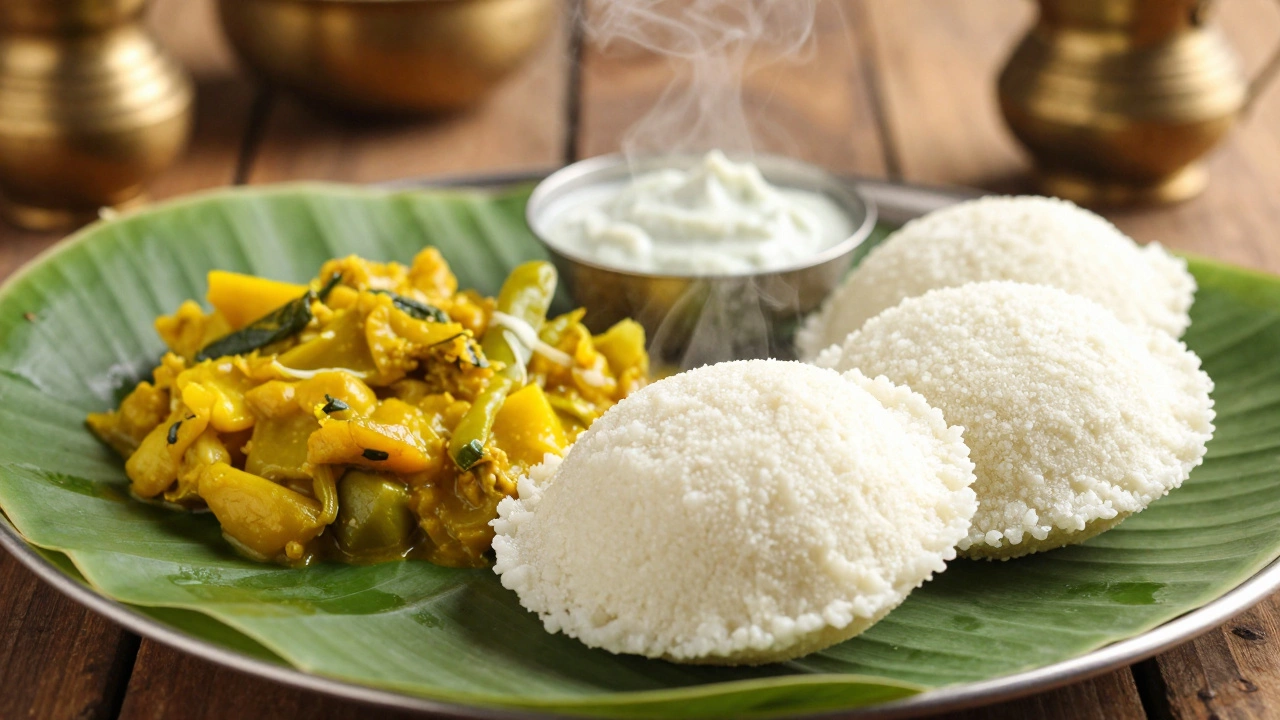
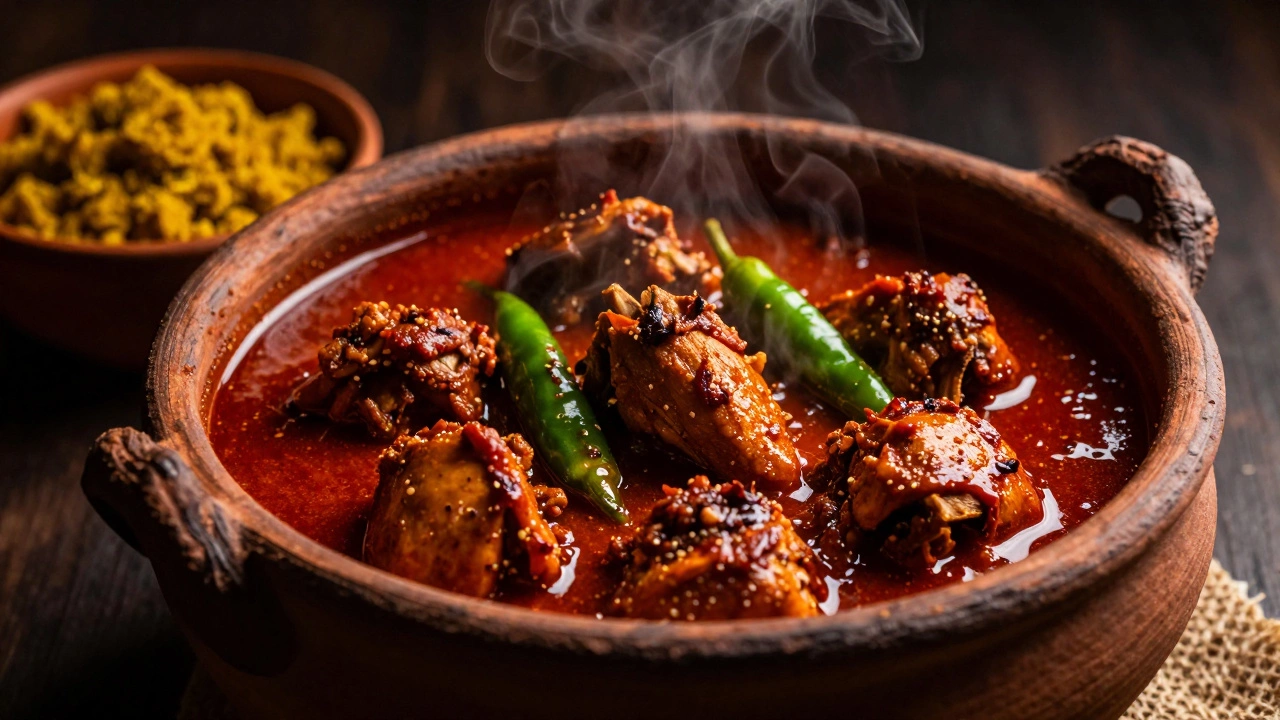
The undisputed king here is the Idli-Sambar combo. In Chennai, an idli isn’t just a steamed cake; it’s fluffy, slightly sour, and served with a sambar that tastes like it simmered for hours with fresh vegetables and roasted spices. Then there’s the Chettinad cuisine. Originating from the Chettiar community in Karaikudi, this style uses black pepper, cloves, cardamom, and star anise in ways that are aromatic rather than just painful. Their chicken curry is legendary for good reason-it’s complex, rich, and deeply flavorful without being overwhelmingly hot.
You also cannot ignore the street food culture. A plate of Meen Kuzhambu (fish curry) with rice on a banana leaf is a staple lunch for millions. The fish is usually local varieties like pomfret or seer fish, cooked in a tangy, turmeric-heavy gravy. If you prefer sweets, try Jigarthanda, a unique cold drink made with milk, sarsaparilla root extract, ice cream, and badam patti. It’s creamy, refreshing, and unlike anything else in India.
Karnataka: The Flavorful Middle Ground
Bangalore has become a foodie capital because it absorbs everything around it, but the real magic lies in the regional variations within Karnataka. The state is divided into three culinary zones: Coastal Karnataka (Udupi), Old Mysore, and North Karnataka (Bidar/Bijapur). Each zone feels like a different country.
In the coastal belt, the food mirrors Kerala’s love for coconut but adds a distinct tanginess. The Mangalorean cuisine is famous for its use of kokum (a souring agent) instead of tamarind. Try the Bendakaya Pyasadi (eggplant fry) or the Gassi curries. These dishes are slow-cooked, often using dried red chilies and coriander seeds ground fresh. They have a depth of flavor that hits you slowly.
Moving inland to Mysore, the food becomes richer and sweeter. The Mysore Pak is the most famous export, a dense, ghee-soaked sweet made from gram flour and sugar. But the savory side shines too with dishes like Hyderabadi Biryani (which, while shared with Telangana, has deep roots in the Deccan plateau’s history). In North Karnataka, the influence of neighboring Maharashtra and Gujarat brings us Jolada Roٹی (sorghum roti) paired with Ennegai Saaru (a lentil-based stew). It’s rustic, healthy, and incredibly satisfying.
Kerala: The Coconut Kingdom
If you love coconut, Kerala is your paradise. The state’s cuisine is defined by the generous use of coconut oil, grated coconut, and coconut milk. But don’t let the sweetness fool you; Kerala food can be spicy, especially when it comes to seafood.
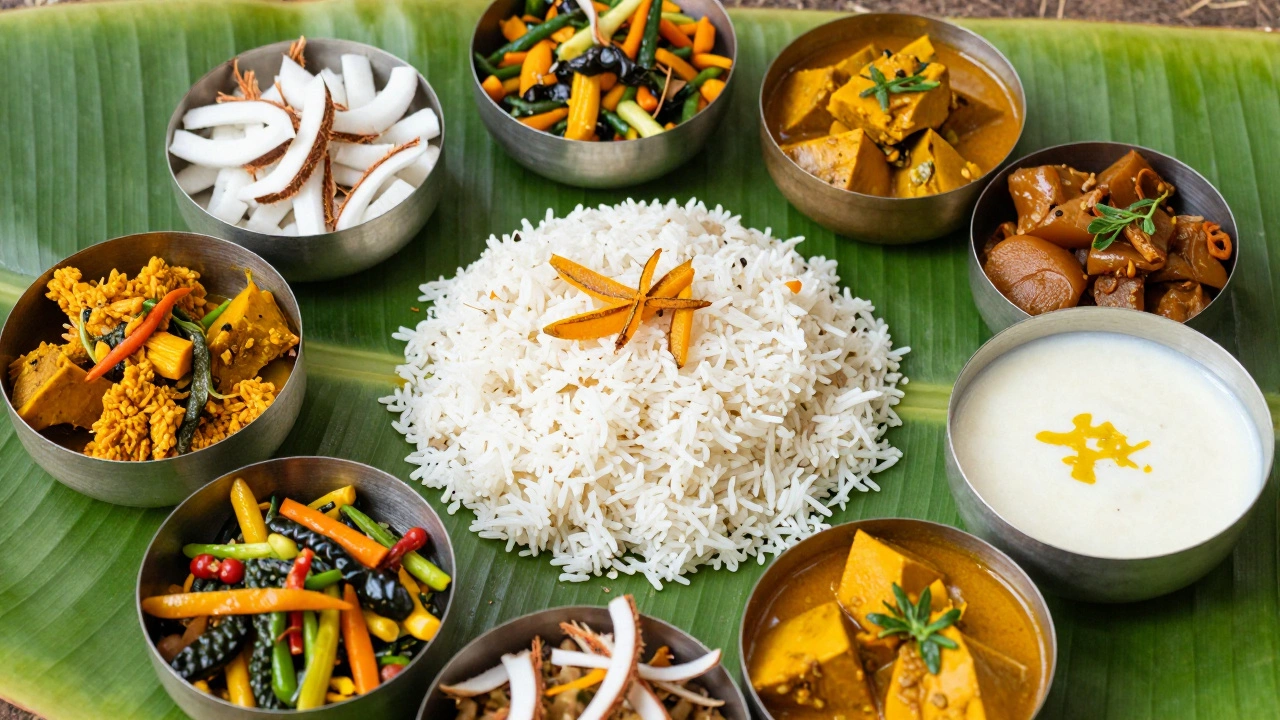
The highlight of any meal here is the Sadya, a grand vegetarian feast served on a banana leaf during festivals like Onam. It includes up to 20+ items: rice, avial (mixed vegetable stew), thoran (stir-fried veggies), olan (pumpkin and cowpea curry), and payasam (dessert). The key is the balance. Every dish complements the others, creating a harmonious eating experience.
For non-vegetarians, Malabar cuisine takes center stage. The Appam and Stew combination is iconic. Appams are lacy, bowl-shaped pancakes made from fermented rice batter, filled with a mild, aromatic mutton or chicken stew cooked in coconut milk and whole spices. It’s comforting, elegant, and perfect for breakfast or dinner. Don’t miss the Meen Pollichathu, where fish marinated in spices is wrapped in banana leaves and grilled. The leaf imparts a subtle smoky flavor that elevates the dish.
Andhra Pradesh & Telangana: The Heat Seekers’ Haven
Let’s address the elephant in the room: Andhra Pradesh serves the spiciest food in India. If you have a low tolerance for chili, proceed with caution. But if you crave intensity, this is the place. The cuisine relies heavily on Guntur chillies, which are known for their high capsaicin content and vibrant red color.
The signature dish is Gongura Pachadi, a chutney made from sorrel leaves (gongura) that are tart, tangy, and packed with iron. It’s typically served with rice and dal, cutting through the heat of the main course. Another must-try is Rayalaseema Chicken Curry. This dish uses a blend of roasted spices and lots of green chilies, resulting in a dark, intense gravy that clings to every grain of rice.
In Telangana, the food is equally bold but with a distinct identity. The Hyderabadi Dum Biryani is world-famous. Unlike other biryanis, it’s cooked with raw meat and basmati rice layered together, then sealed in a pot and slow-cooked over charcoal (dum). The result is tender meat infused with saffron, rose water, and fried onions. Pair it with Mirchi Ka Salan, a peanut and sesame-based curry with whole green chilies, and you have a meal that balances heat, nuttiness, and sweetness.
Comparing the Culinary Giants
| State | Key Ingredient | Signature Dish | Spice Level | Best For |
|---|---|---|---|---|
| Tamil Nadu | Tamarind, Black Pepper | Chettinad Chicken, Idli-Sambar | Medium-High | Traditionalists, Vegetarians |
| Karnataka | Kokum, Jaggery | Mangalorean Gassi, Mysore Pak | Medium | Balanced Palates, Sweet Lovers |
| Kerala | Coconut, Coconut Oil | Appam-Stew, Sadya | Low-Medium | Seafood Fans, Festive Feasts |
| Andhra Pradesh | Guntur Chillies, Gongura | Gongura Pachadi, Rayalaseema Chicken | Very High | Heat Seekers, Bold Flavors |
So, Which One Wins?
There is no objective winner. If you value complexity and tradition, Tamil Nadu takes the crown. Its ability to make simple ingredients like rice, lentils, and vegetables sing is unmatched. If you prefer a balance of sweet, sour, and savory with a touch of luxury, Kerala is your best bet. The coconut base makes meals feel indulgent yet light.
However, if you are looking for variety and regional diversity, Karnataka offers the widest spectrum, from coastal seafood to inland wheat-based dishes. And for those who believe food should challenge you, Andhra Pradesh delivers an adrenaline rush with every bite.
My advice? Don’t pick one. Plan a trip that crosses borders. Start in Kochi for the seafood, move to Bangalore for the fusion and variety, head to Chennai for the classics, and end in Hyderabad for the biryani finale. Your palate will thank you.
Is South Indian food generally vegetarian?
While South India has a strong vegetarian tradition, especially in temples and households in Tamil Nadu and Kerala, non-vegetarian food is extremely popular. Coastal regions like Kerala and Karnataka rely heavily on seafood, and Andhra Pradesh is famous for its spicy chicken and mutton curries. You can easily find delicious options for both diets across all states.
Which state has the healthiest food?
Kerala and Karnataka are often cited for healthier options due to the use of coconut oil (rich in medium-chain triglycerides) and minimal frying in many home-style dishes. Tamil Nadu’s reliance on lentils, millets, and vegetables also makes it very nutritious. However, "healthy" depends on portion sizes and preparation methods. Street food in any state can be heavy on oil and salt.
Can I handle Andhra Pradesh food if I dislike spicy food?
It might be challenging. Andhra cuisine is renowned for its heat. However, you can ask for "less spicy" versions, though the flavor profile will change. Stick to milder dishes like Gongura Pachadi (which is tangy rather than hot) or try the Hyderabadi biryani, which is flavorful but not necessarily scorching. Always carry yogurt or raita to cool your palate.
What is the best time to visit South India for food festivals?
The best time is during the harvest festivals. Onam in Kerala (August/September) features the elaborate Sadya feast. Pongal in Tamil Nadu (January) celebrates the rice harvest with special dishes like Sakkarai Pongal. Ugadi in Karnataka (March/April) marks the new year with Bevu Belaku (raw mango and neem flower chutney). Visiting during these times gives you access to authentic, festive cuisine.
Are there gluten-free options in South Indian cuisine?
Yes, naturally. Most South Indian staples are gluten-free. Rice, lentils, millet, ragi (finger millet), and corn are the primary grains used. Dishes like dosas, idlis, uttapams, and various curries are inherently gluten-free. Just be cautious with breads like naan or paratha in North Indian-influenced areas, and check for cross-contamination in street food stalls.

About Author

Popular Posts