Trekking India: Best Trails, Beginner Routes, and Hidden Peaks
When you think of trekking India, the act of hiking through India’s diverse mountain ranges, from the Himalayas to the Western Ghats, often with cultural and spiritual context. Also known as mountain walking in India, it’s not just exercise—it’s a way to connect with landscapes that have shaped centuries of pilgrimage, trade, and local life. Unlike packed tourist spots, trekking here means stepping onto paths where monks, shepherds, and villagers still walk the same routes their ancestors did.
Not all treks are the same. If you’re new to hiking, Kuari Pass, a well-marked, low-altitude trail in Uttarakhand with panoramic Himalayan views and no technical climbing required is your best starting point. It’s quiet, safe, and gives you the feeling of being high in the mountains without the risk. But if you’re looking for something that tests your limits, the Kailash Mansarovar trek, a grueling pilgrimage route in Tibet near the Indian border, known for extreme altitude, freezing temperatures, and spiritual significance is one of the hardest hikes on earth. Only the most prepared should attempt it—and even then, many turn back.
India’s trekking hubs aren’t random. Manali, a town in Himachal Pradesh with over 50 well-documented trails ranging from day hikes to multi-day expeditions is the country’s trail capital. You’ll find routes for every level: gentle walks through pine forests, steep climbs to alpine lakes, and high-altitude passes that reward you with silence you won’t find anywhere else. Meanwhile, the Roopkund trek, a mysterious trail in Uttarakhand leading to a lake filled with ancient human skeletons combines adventure with history—making it one of the most talked-about hikes in the country.
What makes trekking in India different? It’s not just the views. It’s the temples you pass, the tea stalls run by locals who’ve seen hundreds of trekkers come and go, the way prayer flags flutter above trails that haven’t changed in 200 years. You’re not just walking—you’re moving through living culture. And unlike commercial trekking destinations elsewhere, here you’ll often have trails to yourself, especially outside peak season.
Don’t let the word "hard" scare you off. You don’t need to summit Everest to call yourself a trekker. Some of the most rewarding walks are the ones you didn’t think were possible—like the gentle climb to Indrahar Pass, a high-altitude trail in the Dhauladhar range with views of snow-capped peaks and wildflowers in spring. It’s doable for most fit beginners with good boots and a sense of curiosity.
Whether you’re chasing solitude, spiritual meaning, or just a good sweat, trekking in India offers it all. Below, you’ll find real stories from people who’ve walked these trails—what worked, what didn’t, and what no guidebook will tell you. From the easiest first steps to the most brutal climbs, this collection has the details you need to plan your next hike—safely, smartly, and with respect for the land and the people who live there.
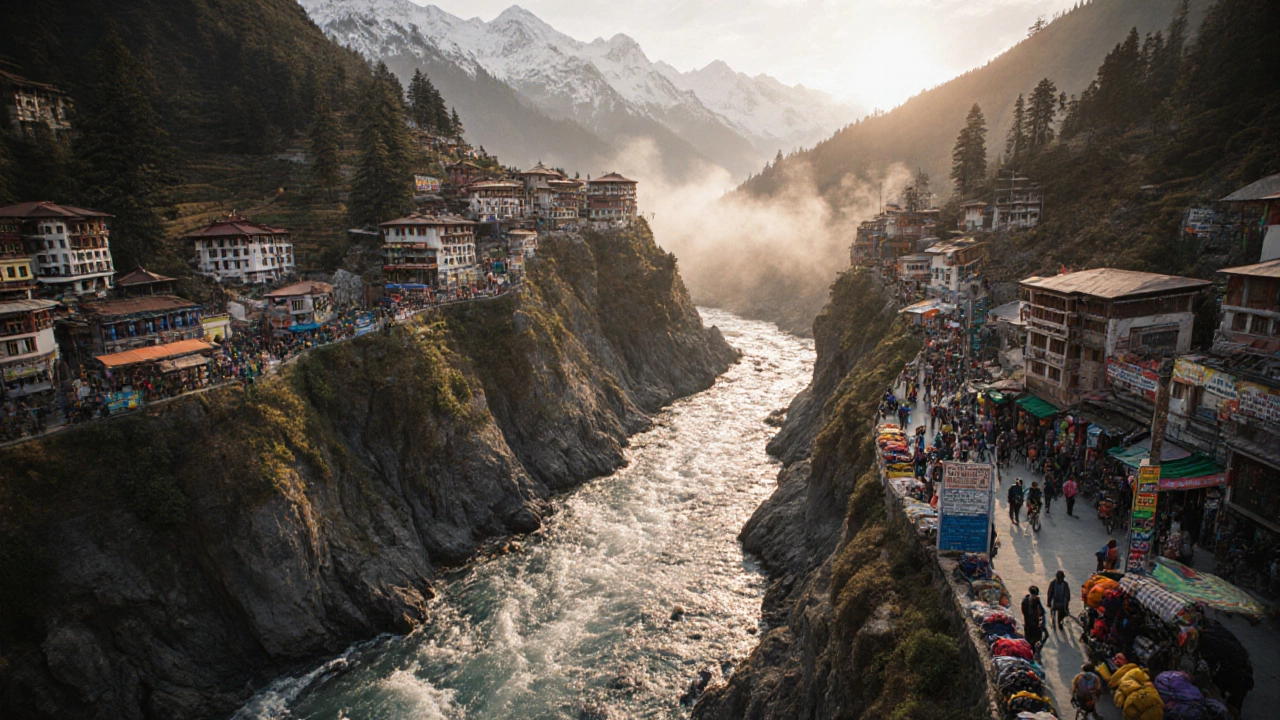
Discover India's Hiking Capital: Why Manali Leads the Trekking Scene
Manali is widely recognized as India's hiking capital, offering diverse trails, solid infrastructure, and year‑round trekking options for beginners and seasoned adventurers alike.
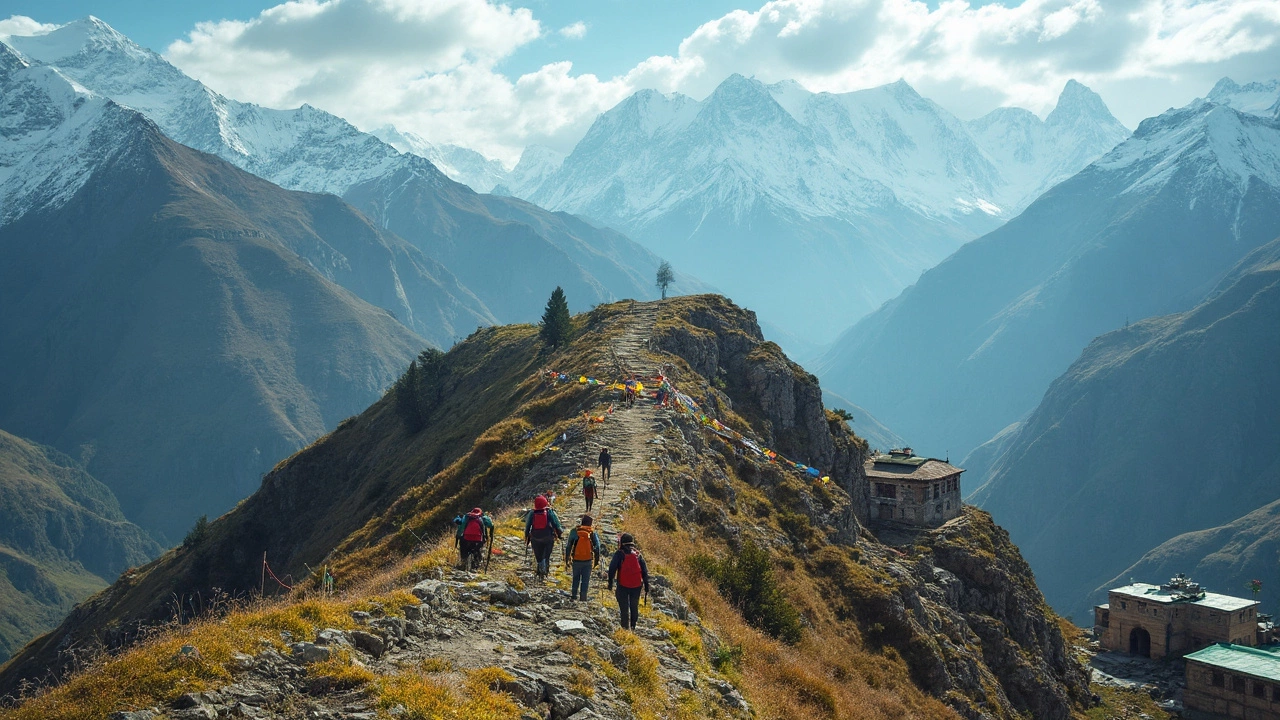
Longest Walking Trail in India: The Grand Himalayan Traverse
Looking for the ultimate trekking challenge in India? The Grand Himalayan Trail, stretching across the length of the country’s mighty Himalayan range, is the longest walking trail you can find here. This article breaks down what makes it legendary, how trekkers tackle it, the diverse regions it crosses, and essential tips for anyone dreaming of long-distance hiking. Expect practical insights and a few surprising facts for both newbies and veteran hikers. Get ready to discover a trail that’ll change your list of must-do adventures.
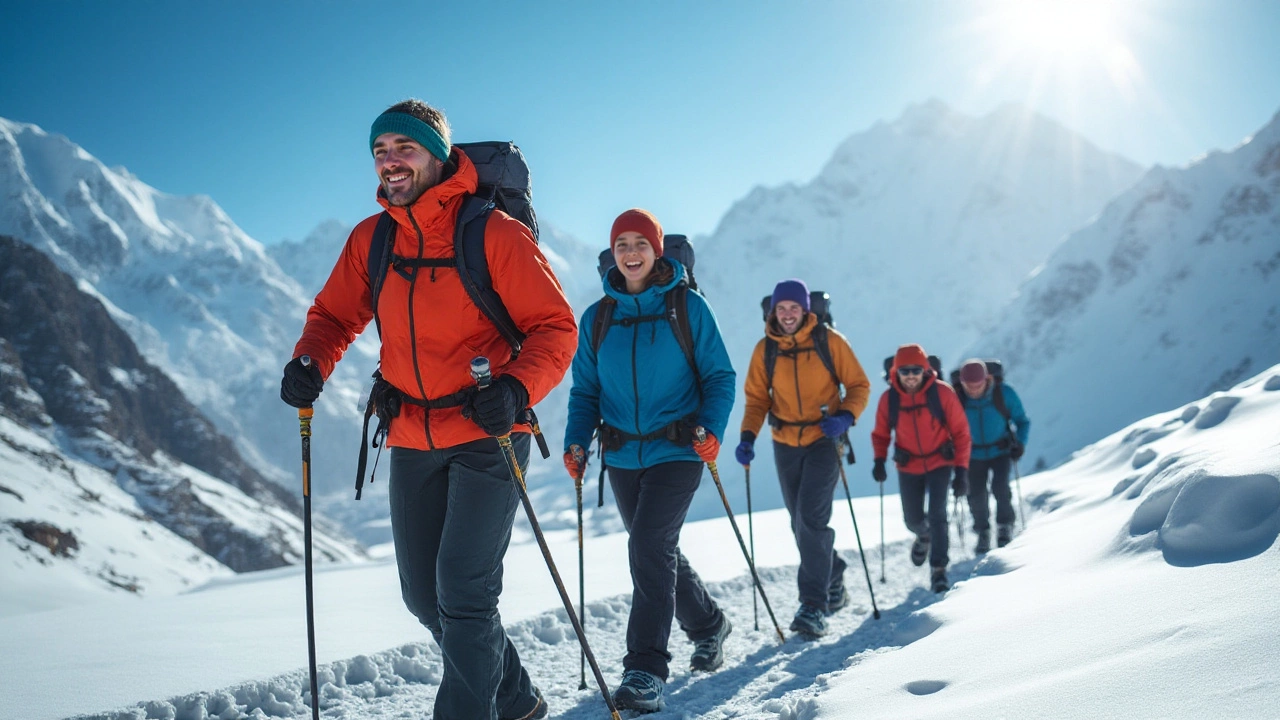
Mastering the 3 Layer Rule for Hiking in Indian Trails
Understanding the 3 Layer Rule for hiking is crucial for anyone exploring the varied terrains of India's trekking trails. This method involves wearing specific clothing layers to adapt to changing weather conditions, ensuring comfort and safety throughout the hike. Whether you're venturing through the Himalayas or walking past lush Western Ghats, knowing the art of layering can make all the difference. Discover practical tips, types of clothing, and how to choose the right layers for an unforgettable trekking experience.