Temple Tours India: Discover the Most Sacred Sites and How to Visit Them
When you think of temple tours India, guided visits to India’s sacred Hindu sites that blend spirituality, history, and local culture. Also known as Hindu pilgrimage tours, these journeys take you beyond sightseeing into spaces where faith is lived daily. This isn’t just about seeing stone carvings or golden domes—it’s about walking where millions kneel, chant, and offer prayers every single day.
One of the most visited places on Earth isn’t a museum or a theme park—it’s the Tirumala Venkateswara Temple, the Hindu shrine in Tirupati that welcomes over 50 million pilgrims annually. Compare that to the Louvre or the Great Wall, and you start to understand the scale of devotion here. But temple tours in India aren’t just about big names. They include quiet stone temples in Tamil Nadu, forest shrines in Odisha, and cliffside sanctuaries in Karnataka—each with its own rhythm, rituals, and rules. You’ll find that temple etiquette India, the unspoken customs like removing shoes, covering shoulders, and avoiding leather matter more than any guidebook. Skip these, and you risk offending more than just tradition—you miss the real meaning of the place.
What makes temple tours in India different from other cultural visits? It’s the living part. Priests don’t just recite chants—they sing them like music. Devotees don’t just drop coins—they offer flowers, coconuts, and sometimes even their hair. And the crowds? They’re not tourists. They’re families, pilgrims, and seekers who’ve traveled for days just to touch the deity’s feet. That’s why planning matters. You need to know when to go (early morning avoids the worst heat and lines), what to wear (no shorts, no sleeveless tops), and how to behave (no photography in inner sanctums). Some temples even have free meals for visitors—like the one in Tirupati that feeds over 100,000 people a day. That’s not hospitality. That’s faith in action.
And it’s not just about the temples themselves. The towns around them are part of the journey. In Varanasi, the Ganges lights up at dawn with oil lamps. In Madurai, the air smells of jasmine and incense. In Konark, the temple’s shadow moves with the sun like a giant clock. These aren’t backdrops—they’re the heartbeat of the experience. Whether you’re drawn by history, spirituality, or just curiosity, temple tours in India give you something you can’t get from a photo or a video: presence. You’re not watching culture—you’re stepping into it.
Below, you’ll find real guides from travelers who’ve walked these paths—what worked, what surprised them, and what they wish they’d known before arriving. From how to navigate the crowds at the most visited temple in India to quiet spots most tourists never find, these posts give you the practical side of sacred travel. No fluff. Just what you need to move through these spaces with respect, clarity, and meaning.
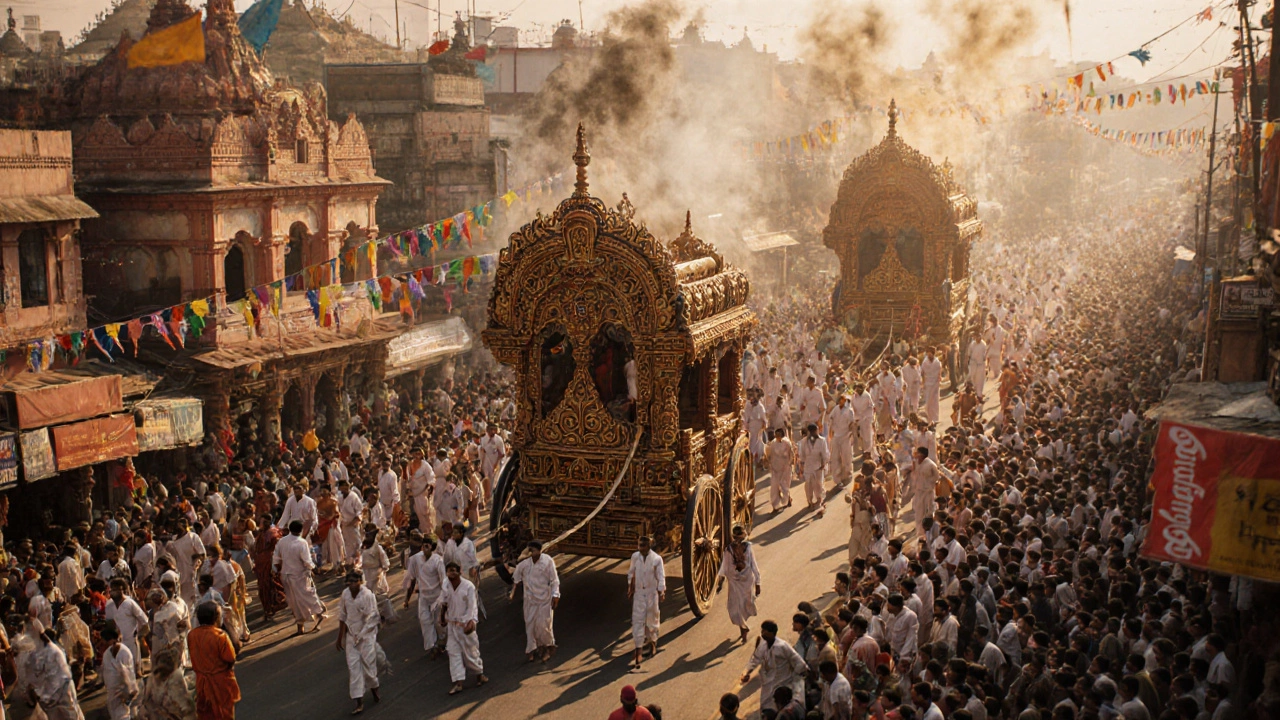
What Are the 4 Most Important Temples in India?
Discover the four most spiritually significant temples in India-Jagannath, Meenakshi Amman, Golden Temple, and Kashi Vishwanath-each offering a unique window into India's rich religious traditions and cultural heritage.
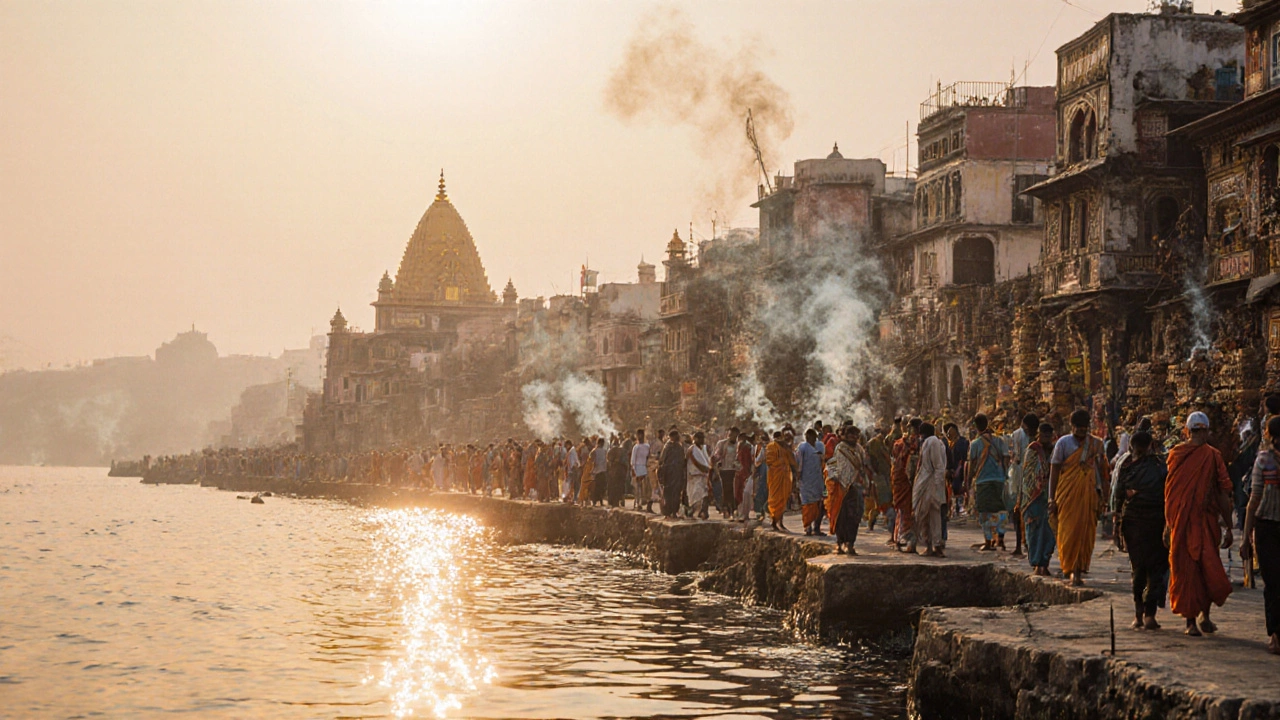
Which Indian City Has the Most Temples? Top Contenders for Temple Tourism
Varanasi has over 2,100 temples, making it India's temple capital. Bhubaneswar and Madurai also lead in temple density and heritage. Discover which city offers the deepest spiritual experience for temple tours in India.

Best Month for Char Dham Yatra: What You Need to Know
Deciding the best month for a Char Dham Yatra can make or break your experience. While May to June are peak months with bustling crowds, exploring in September to October offers pleasant weather and fewer people. Monsoons should be avoided due to landslides. Understanding what each season offers helps in planning a spiritually fulfilling and safe trip.

Discovering India's Wealthiest Religion
India's religious diversity is vast, but when it comes to wealth, one religion stands out. We'll explore which religion is considered the richest in India and why. The article delves into the financial assets, property holdings, and donations associated with this faith. We'll also share tips for visiting its grand temples. Understand the fascinating connection between faith and finance in India.