Is Rishikesh the City of Adventure in India? Exploring the Ultimate Adventure Hubs
If you ask any seasoned traveler about the ultimate adrenaline rush in India, the conversation almost always ends at two names. You might hear people whisper Rishikesh is the yoga capital turned adventure mecca first. Others swear by the snow-dusted slopes of Manali located in Himachal Pradesh. There is no government decree stamping a single location with the label "City of Adventure," but when you look at the density of extreme sports, infrastructure, and culture, one city stands head and shoulders above the rest. Based on global recognition and variety, Rishikesh carries the weight of the title, though its Himalayan neighbor has strong claims.
Why does this distinction matter? Because planning your trip around the wrong hub could mean missing out on the seasonality you want. Imagine booking a rafting trip during monsoon season without knowing the water levels turn treacherous, or flying into the mountains in summer expecting snow. Understanding the unique profiles of these locations saves time, money, and potentially your health. Let's break down why the world calls India home to some of the wildest experiences on the planet.
The Case for Rishikesh as the Adventure Capital
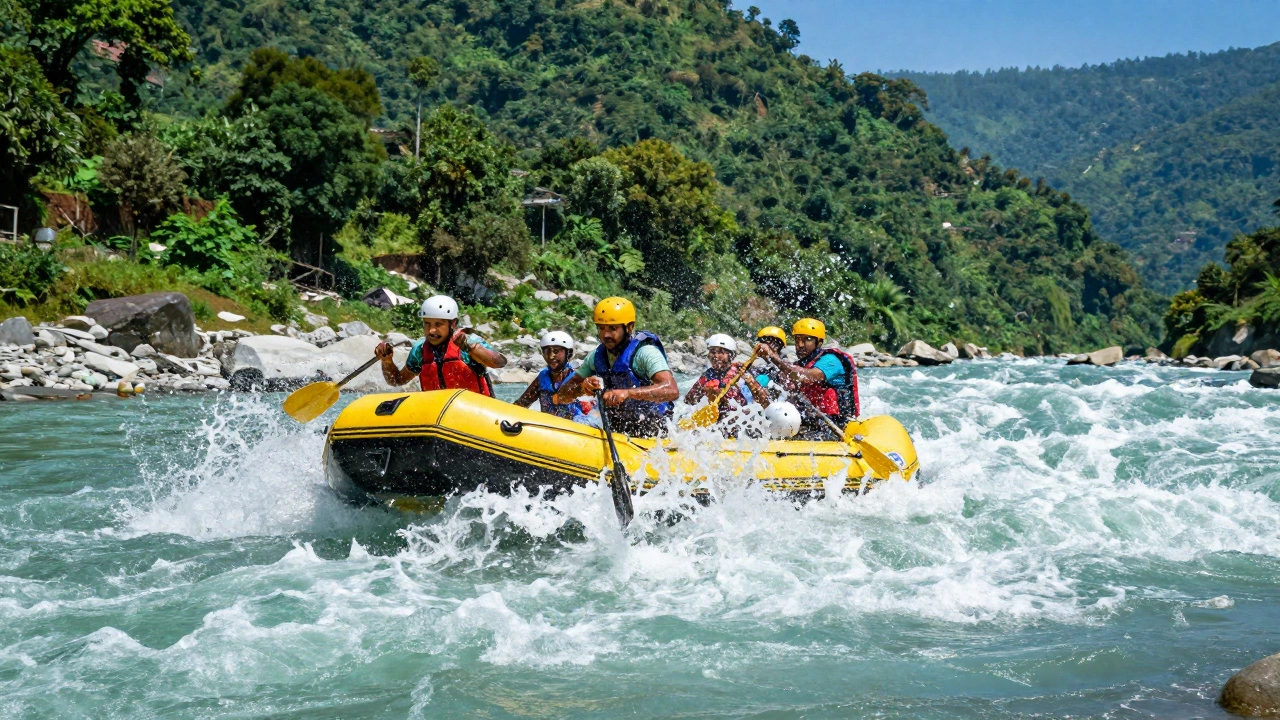
Rishikesh sits on the banks of the Ganges River, nestled in the foothills of the Himalayas. What started as a pilgrimage site transformed over decades into the world's premier spot for whitewater rafting. The river Ganga here offers rapids ranging from Grade II to Grade IV, which is perfect for both beginners and thrill-seekers. Unlike many other locations where safety is secondary, Rishikesh operates under strict international guiding standards set by the International Rafting Federation.
Beyond the water, the air above the city buzzes with activity. If you have ever seen images of someone bungee jumping off a tower into a misty gorge, chances are you were looking at Oak Estate near Dehradun, accessible from Rishikesh. It was once the highest commercial bungee jump in Asia. While operational details change yearly, the area remains synonymous with gravity-defying stunts. You can also find ziplining across valleys, camping on riverbanks, and motorbike rallies that weave through the Garhwal region.
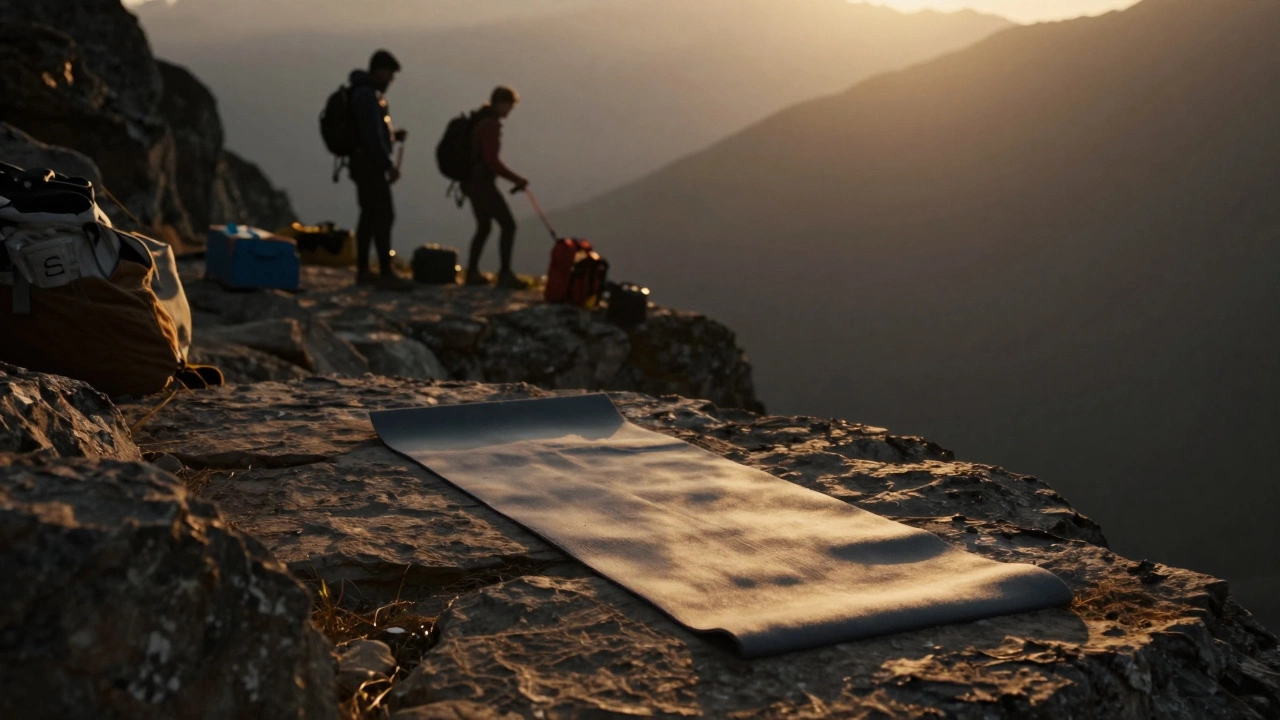
For those wondering if there is enough to do beyond a single weekend, the diversity is staggering. The landscape allows for short yet intense treks like the Tera Devi Temple hike, which combines spiritual heritage with physical challenge. In the morning, you might stretch out a mat for Hatha Yoga defined as traditional physical postures and breathing techniques, and by afternoon, you are strapped into a kayak. This blend of mental calm and physical intensity creates a unique ecosystem that few places replicate.
Manali: The Mountain Counterpart
When people think of cold-weather sports, Manali wins the comparison game every time. Located roughly 300 kilometers northwest of Delhi, Manali is the gateway to the Solang Valley. Here, the adventure shifts from water to ice and altitude. During the peak winter months from January to February, you can find opportunities for skiing and snowboarding. While professional-grade resorts like Shimla exist, Manali offers a more rugged, budget-friendly approach to winter sports.
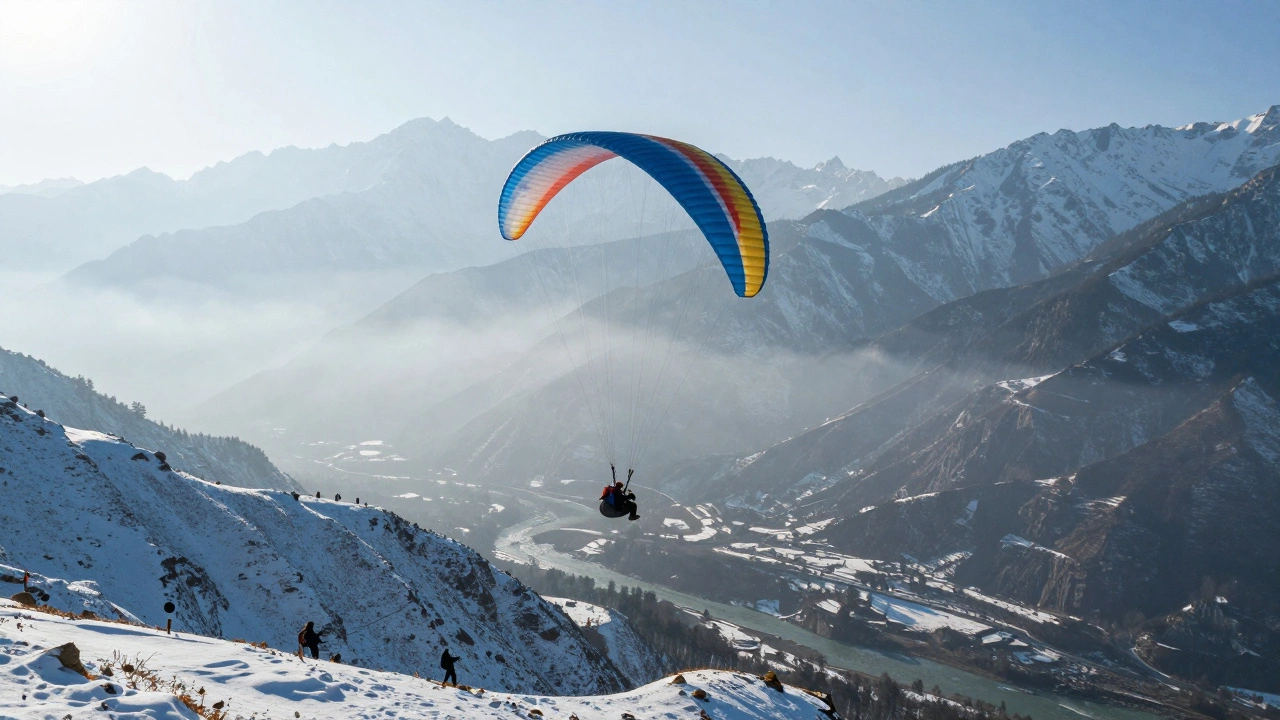
Solang Valley is particularly famous for paragliding. The wind currents created by the mountain gaps provide stable lift for tandem flights, giving you a bird's-eye view of the Beas River valley below. For rock climbing enthusiasts, the cliffs near Naggar Castle offer excellent training grounds. Unlike the flat terrain available in southern India, the geology here is vertical and unforgiving, demanding respect from participants.
One key difference between Manali and Rishikesh lies in the climate window. Manali peaks in the summer (April to June) for hiking and in winter for skiing. Rishikesh remains accessible year-round for rafting, provided you avoid the peak monsoon months of July and August. This makes Rishikesh a more versatile "all-season" destination, reinforcing its claim as the broader adventure city.
A Comparison of Adventure Hubs
| Feature | Rishikesh | Manali |
|---|---|---|
| Primary Sport | White Water Rafting | Skiing & Paragliding |
| Best Season | Oct-Mar & Jun-Aug | Apr-Jun & Dec-Jan |
| Entry Point | Haridwar Railway / Delphi Airport | Bhuntar Airport / Delhi Bus |
| Price Range | $10-$50 per activity | $15-$60 per activity |
This breakdown highlights why choosing depends heavily on your preferred timeline. If you are traveling in late spring, Manali might feel too warm for skiing but perfect for rafting. Rishikesh maintains cooler temperatures even in mid-winter due to the elevation. The choice isn't arbitrary; it relies on the specific physics of the environment you want to test yourself in.
Other Cities Making Strong Claims
While Rishikesh and Manali dominate the headlines, other regions contribute significantly to India's adventure map. Leh-Ladakh is a union territory known for high-altitude cycling and motorcycle expeditions. If you prefer engine noise over heart-thumping sports, this is the place for the Great Indian Motorcycle Rally. The passes here exceed 5,000 meters, testing your stamina in ways lowland cities cannot.
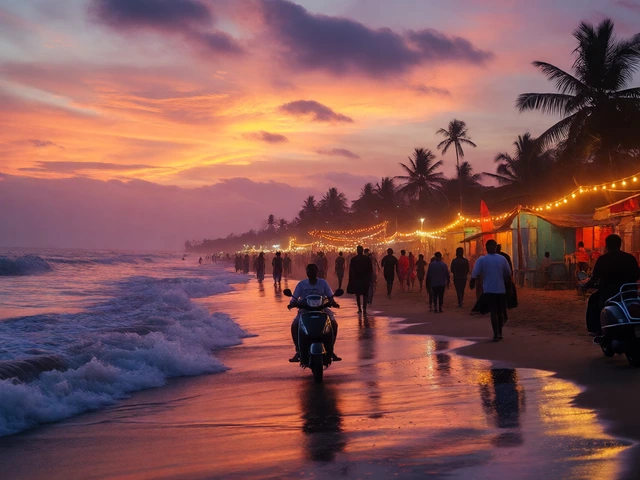
In the south, Goa attempts to pivot from beach lounging to action. The Mandovi River offers kayaking, and the rocky coastline provides spots for cliff diving. However, the infrastructure is less standardized than in the north. Safety gear and local guide expertise vary more wildly there. Then there is the Northeast, specifically Shillong and Mawsynram. These locations offer jungle trekking and waterfall rappelling that feel untouched compared to the commercialization of the North.
It is worth noting that the definition of "City" gets muddy. Most of these are towns or hilly settlements. Rishikesh feels urban enough to offer hotels, restaurants, and internet connectivity after a long day of sweating. Manali balances this well, but Leh requires significant preparation for altitude sickness before attempting anything strenuous.
Planning Your Trip: Timing and Seasons
Traveling today in early 2026 means you need to account for recent climate shifts. Monsoons arrive slightly earlier in some years, compressing the rafting window in October. If you are planning a visit for March 2026, the weather is transitioning. Winter chill fades, but snow in Manali begins melting. This meltwater feeds the Ganges, often creating higher water levels suitable for rafting later in the month.
Always check local advisories. Floods along the Ganges can shut down operations instantly. In 2023 and 2024, several guides faced cancellation issues due to heavy rainfall disrupting supply chains. Booking refundable rates provides a safety net. It is also crucial to verify that operators possess valid insurance. Legitimate agencies in Rishikesh display certification from the Tourism Ministry of Uttarakhand prominently at their office front.
Packaging your gear matters too. Do not rent equipment unless inspected personally. Helmets in particular should meet ISI (Indian Standards Institution) certification. Many accidents occur not because of poor skill, but because of cracked helmets or frayed ropes. Inspect the seatbelt harness on zip-lines before clipping in. These small checks prevent disasters that headline news cycles the following day.
Understanding the Infrastructure Gap
While the thrill is part of the appeal, logistics in remote Indian destinations require patience. Roads from Dehradun to Rishikesh have improved dramatically under the Bharatmala project, cutting travel time from Delhi significantly. However, power outages still happen in remote campsites. Bring a portable power bank rated at least 20,000 mAh.
Digital nomads love these areas now because Wi-Fi speeds have increased to fiber-optic standards in major hubs like Rishikesh town center. Yet, signal drops frequently on riverside trails. Download offline maps of the Gorge area before heading out. Apps like Gaia GPS work better than Google Maps in mountainous terrain due to contour line accuracy. Knowing where the nearest medical facility is located in case of injury is non-negotiable.
Cost Considerations for 2026
Budget travelers might find the costs rising slightly due to inflation. A typical rafting package including transfers, meals, and insurance now ranges closer to ₹1,500 per person compared to ₹1,000 five years ago. Paragliding in Manali has similarly seen price hikes, with tandem rides averaging ₹2,500. Luxury glamping options near the rivers allow you to upgrade accommodation without paying resort prices.
Local transport remains affordable. Shared taxis operate regularly from Haridwar and Delhi stations. Private drivers can be negotiated, but fixed pricing is safer to avoid language barriers causing misunderstandings. Always agree on currency and distance upfront. Tourist police are available in Rishikesh Market to mediate disputes, though prevention is better than confrontation.
Frequently Asked Questions
Which city is officially declared the City of Adventure in India?
There is no official government declaration for a single "City of Adventure." However, Rishikesh is most widely recognized by international travelers and tourism boards as the de facto adventure capital due to its concentration of extreme sports like rafting and bungee jumping.
Can I go white water rafting without prior experience?
Yes, most rafting grades in Rishikesh accommodate beginners. Operators provide mandatory safety briefings and trained instructors. Grades I and II are generally safe for novices with basic swimming skills.
What is the best time to visit for adventure sports?
October to March is ideal for rafting and winter sports. June to September brings heavy rains, making some activities risky. Summer (April-May) is great for trekking and camping.
Is bungee jumping still operational in Rishikesh?
Operations vary based on seasonal maintenance and regulations. It is best to contact the Oak Estate organizers directly or check current tourism alerts before visiting, as dates fluctuate annually.
How much does a typical adventure package cost in Manali?
Paragliding ranges from $30-$50 per session, while ski rentals are roughly $15 per day. Accommodation varies significantly, with budget guesthouses available under $20 per night.
About Author

Popular Posts

When is Goa Cheapest? A Month-by-Month Budget Guide