Where Do Most Tourists Go Hiking in India?
India Hiking Trail Comparison Tool
Choose Your Trail
Select up to 3 trails to compare side by side. Each trail has unique characteristics that make it perfect for different hikers.
Valley of Flowers
Uttarakhand
Roopkund
Uttarakhand
Hampta Pass
Himachal Pradesh
Markha Valley
Ladakh
Kinnaur Kailash
Himachal Pradesh
Comparison Results
Duration
Altitude
Difficulty
Duration
Altitude
Difficulty
Duration
Altitude
Difficulty
Key Differences
Choose at least one trail to compare
Every year, over 1.2 million foreign tourists and nearly 15 million domestic travelers hit the trails in India. But not all hikes are created equal. Some paths draw crowds like magnets, while others stay quiet even though they’re just as beautiful. So where do most tourists actually go hiking in India? The answer isn’t one place-it’s a handful of trails that have earned their reputation through stunning views, reliable infrastructure, and word-of-mouth buzz.
Valley of Flowers and Hemkund Sahib, Uttarakhand
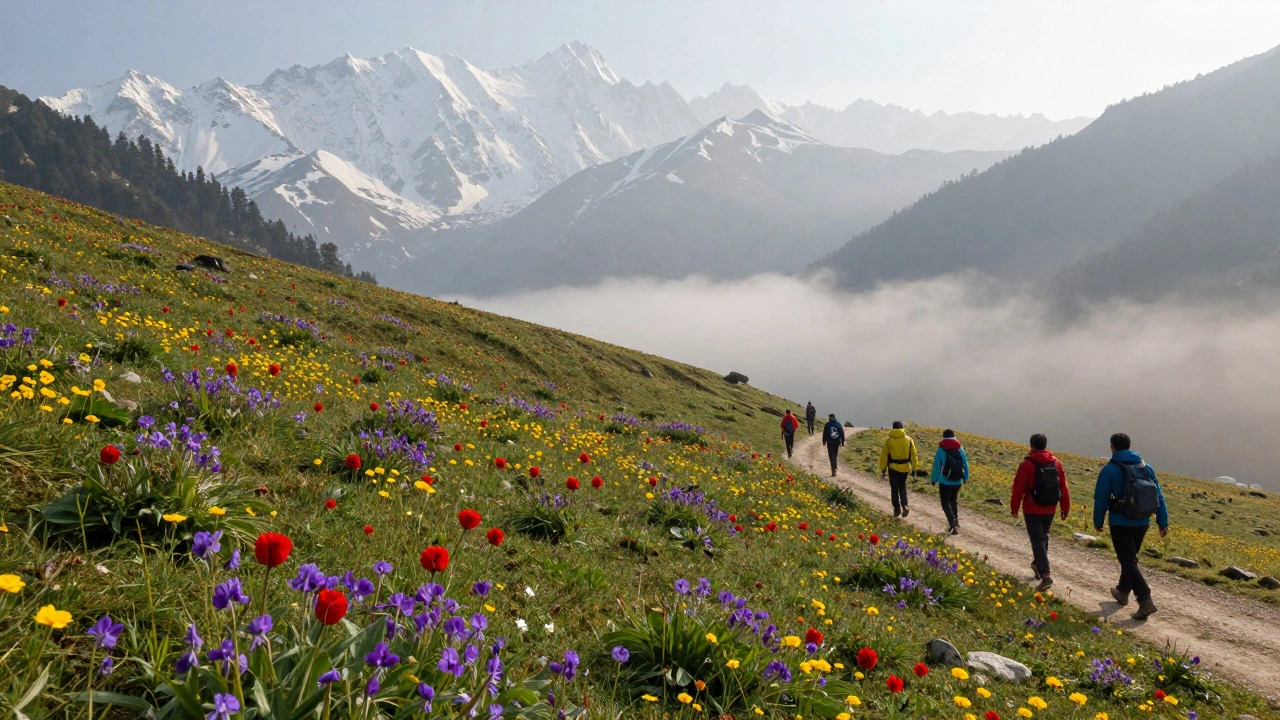
This two-part trek in the Garhwal Himalayas is the most visited high-altitude hiking route in India. Tourists come for the Valley of Flowers, a UNESCO World Heritage Site where wildflowers bloom in every color between June and September. The trail starts in Govindghat, climbs through dense forests and alpine meadows, and ends at a shimmering glacial lake surrounded by snow-capped peaks. Many combine it with Hemkund Sahib, a sacred Sikh shrine perched at 4,329 meters. The path is well-marked, with guesthouses and tea stalls along the way. It’s not technically hard, but altitude is real-most hikers take 4-5 days and spend time acclimatizing in Joshimath. You’ll see more foreign backpackers here than in many European national parks.
Kinnaur Kailash and Pin Valley, Himachal Pradesh
While Manali and Shimla get the headlines, serious hikers head to Kinnaur. The Kinnaur Kailash parikrama (circumambulation) is a 45-kilometer loop around a sacred mountain that’s off-limits to climbers. It’s a spiritual journey as much as a physical one, with monasteries, prayer flags, and views of the Kailash range. Most tourists do it in 5-6 days, camping or staying in village homestays. Pin Valley National Park nearby adds another layer-trekkers can extend their trip to spot snow leopards and ibex. The trail is less crowded than Ladakh but just as wild. The best months are May to October. Foreign visitors often book through local operators who handle permits and logistics.
Hampta Pass, Himachal Pradesh
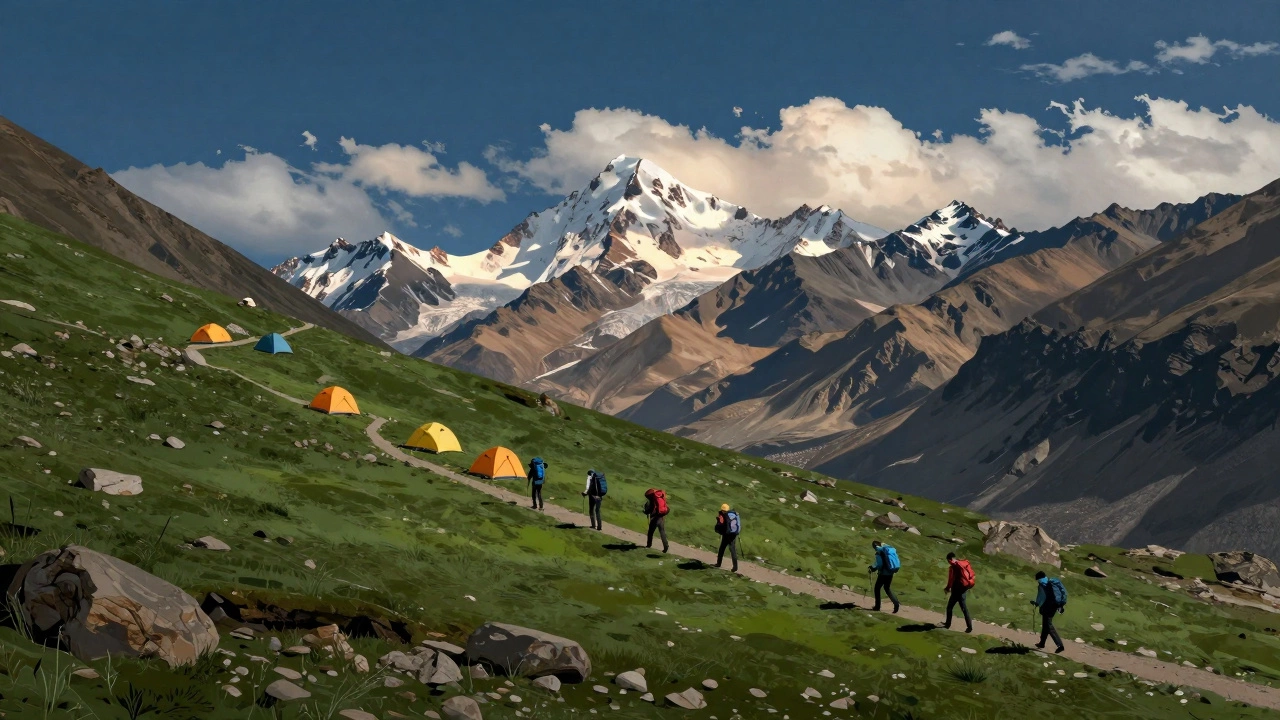
Hampta Pass is the go-to trek for first-time high-altitude hikers who want dramatic change in scenery. It starts in the green, forested Kullu Valley and climbs over a 4,270-meter pass into the barren, moon-like landscape of Lahaul. You cross rivers, walk through meadows filled with wildflowers, and camp under stars with no light pollution. The full trek takes 4-5 days and is rated moderate. What makes it popular? It’s short, accessible from Manali, and delivers a full mountain experience without needing weeks off work. Most tour groups run daily departures from June to September. Instagram is full of photos from here-bright tents against black rock, snow-dusted peaks, and hikers grinning on the pass.
Roopkund, Uttarakhand
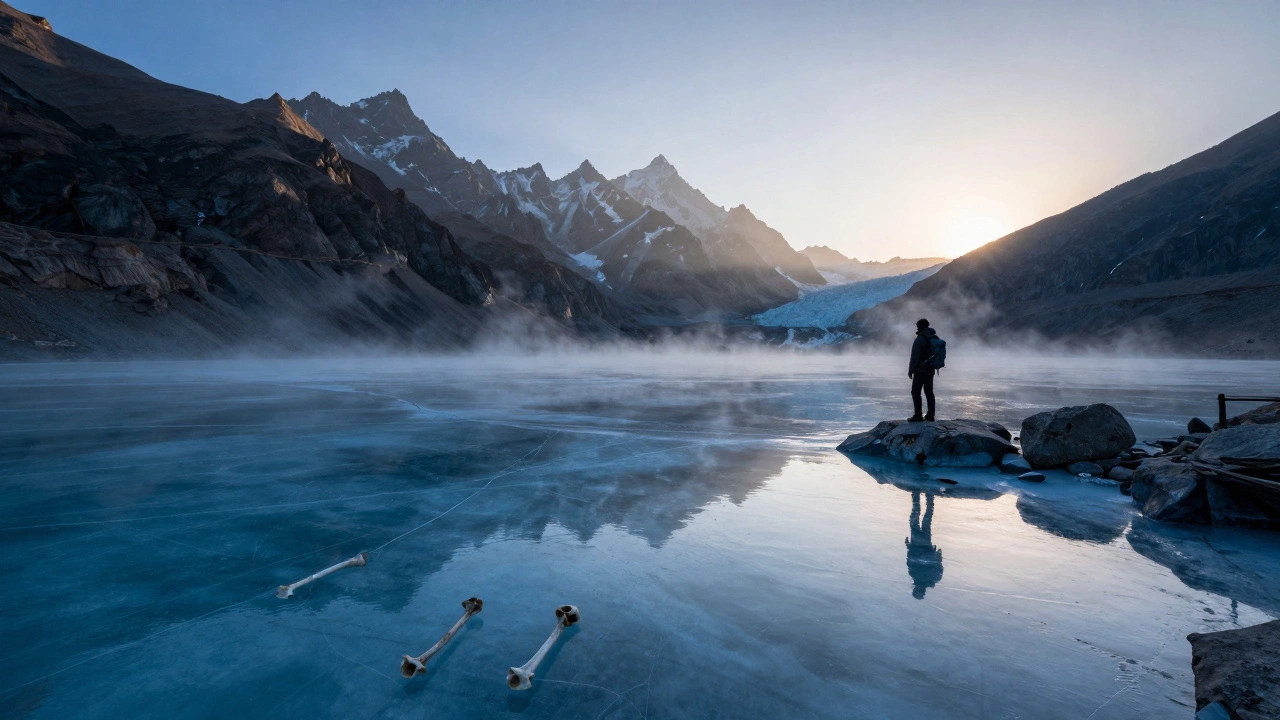
Roopkund is famous for one thing: the Skeleton Lake. At 5,029 meters, this glacial lake holds hundreds of human bones-remains of a group that died here around 850 AD. Scientists now think they were caught in a sudden hailstorm. The mystery draws scientists, history buffs, and thrill-seekers. The trek to Roopkund is tough: 50 kilometers over 4-5 days, with steep climbs and thin air. It’s not for beginners. But if you’ve done a few shorter hikes and want a real challenge, this is the one. Permits are required, and only 150 people are allowed per day during peak season (July-August). The trail is muddy, rocky, and cold-even in summer. But the view from the ridge overlooking the lake? Unmatched.
Markha Valley, Ladakh
Ladakh is the crown jewel of Indian trekking. And within Ladakh, Markha Valley is the most popular route. It’s a 75-kilometer loop from Chilling to Hankar, crossing four high passes, including the 5,150-meter Kongmaru La. You walk through ancient Buddhist villages, past monasteries clinging to cliffs, and over rivers that carve through desert-like terrain. The altitude is high, but the trail is well-supported with teahouses and guides. Most tourists do it in 7-8 days. What makes it stand out? The culture. You’re not just hiking-you’re walking through a living Buddhist tradition. Locals offer tea, share stories, and sometimes invite you to dinner. The best time is June to September. Foreign tourists often fly into Leh first to acclimatize before starting the trek.
Valley of Flowers vs. Roopkund: What’s the Difference?
Both are in Uttarakhand and both are packed with tourists-but they’re totally different experiences.
| Trail | Duration | Altitude | Difficulty | Best Time | Why Tourists Choose It |
|---|---|---|---|---|---|
| Valley of Flowers | 4-5 days | 3,500-3,800 m | Easy to Moderate | June-September | Colorful flowers, gentle slopes, family-friendly |
| Roopkund | 4-5 days | 5,029 m | Hard | July-August | Mystery of skeletons, challenging climb, iconic views |
| Hampta Pass | 4-5 days | 4,270 m | Moderate | June-September | Quick access from Manali, dramatic landscape shift |
| Markha Valley | 7-8 days | 5,150 m | Moderate to Hard | June-September | Cultural immersion, high passes, remote villages |
| Kinnaur Kailash | 5-6 days | 4,500 m | Moderate | May-October | Spiritual journey, fewer crowds, authentic Himalayan life |
Why These Five Trails Dominate
These five routes aren’t the only ones in India-they’re just the ones that work for most tourists. They’re short enough to fit into a two-week vacation. They’re safe enough for first-timers with proper guides. They have decent facilities: clean toilets, hot meals, and places to sleep. And they’re well-documented. You’ll find YouTube videos, Instagram posts, and guidebooks all pointing to them.
Compare that to lesser-known trails like the Rupin Pass or the Goecha La. They’re breathtaking-but harder to reach, less supported, and require more planning. Most tourists don’t have the time or experience. They want the postcard moment without the risk.
What Tourists Don’t Tell You
Here’s the truth: the busiest trails are crowded. You’ll share the path with 20-30 other hikers a day. To avoid the worst of it, go early. Start at 6 a.m. on the Valley of Flowers trail, and you’ll have the meadows to yourself before the tour groups arrive. Book your permits and homestays ahead-especially for Roopkund and Markha Valley. Last-minute bookings mean no spot, no bed, and no chance to hike.
Also, don’t underestimate altitude. Even if you’re fit, 4,000 meters is a shock to the system. Headaches, nausea, and fatigue are normal. Drink water. Sleep slow. Don’t push. Many tourists get sick and have to turn back. That’s not failure-it’s smart.
What’s Next for Hiking in India?
India is investing in trekking infrastructure. New trails are being opened in Sikkim, Arunachal Pradesh, and the Western Ghats. The government is training local guides, building eco-toilets, and banning plastic on high-altitude routes. But the most popular spots aren’t going anywhere. Valley of Flowers, Roopkund, Hampta Pass, Kinnaur Kailash, and Markha Valley will keep drawing crowds. They’re the gateway to India’s mountains-and for most tourists, that’s exactly what they’re looking for.
What is the easiest hiking trail for beginners in India?
The Valley of Flowers is the easiest major trek for beginners. It’s well-marked, has gentle slopes, and doesn’t require technical gear. Most people do it in 4-5 days, with overnight stays in guesthouses. Altitude is a factor, but you can acclimatize in Govindghat before starting. Avoid the monsoon peak (late July) if you’re not used to rain on trails.
When is the best time to go hiking in India?
The best months are June to September for most Himalayan treks. The snow has melted, the weather is stable, and trails are open. October and November offer crisp air and clear skies, but nights get colder. Avoid May-some passes are still snowed in-and October-March, when many high-altitude trails close due to snow.
Do I need a permit to hike in India?
Yes, for most popular treks. Roopkund, Markha Valley, and Kinnaur Kailash require permits from the Forest Department or local authorities. Foreign tourists need an Inner Line Permit for Ladakh and parts of Himachal Pradesh. These are easy to get online or through tour operators. Always confirm the latest rules before you go-rules change often.
Can I hike solo in India?
You can, but it’s not recommended unless you’re experienced. The trails are safe, but communication can be tricky-English isn’t always spoken in remote villages. Guides know where to find water, how to read weather signs, and how to handle altitude sickness. Most solo hikers end up joining group treks after a day or two. It’s cheaper, safer, and more fun.
Are there any dangerous animals on these trails?
Bears and snow leopards live in these regions, but they avoid humans. You’re far more likely to encounter yaks, goats, or marmots. The real danger is falling rocks, sudden weather changes, or altitude sickness. Always carry a first-aid kit, a whistle, and a way to call for help. Most trekking groups carry satellite phones.
About Author