Winter in Northern India
When you think of winter in northern India, a season of crisp mornings, bustling bazaars, and snow-dusted peaks that draw travelers from around the world. Also known as the peak tourist season, it’s when the region sheds its summer heat and reveals its true character—quiet temples in Varanasi, lively markets in Jaipur, and the quiet majesty of the Himalayas. This isn’t just cold weather—it’s a completely different way to experience India.
Winter in northern India isn’t just about escaping the heat. It’s when the Himalayan winter trekking, a mix of spiritual journeys and high-altitude adventures that become safe and stunning between November and February opens up. Places like Kuari Pass and Deoria Tal, which are muddy and risky in monsoon, turn into crystal-clear trails with views of Nanda Devi and other snow giants. Meanwhile, the Indian winter festivals, celebrations that turn towns into glowing wonderlands, from the lights of Diwali in Varanasi to the ice fairs in Shimla bring communities alive with music, food, and tradition. You’ll find families sharing hot milk with saffron in Leh, pilgrims walking barefoot to Kashi Vishwanath, and travelers sipping chai at rooftop cafés in Agra as the sun sets behind the Taj.
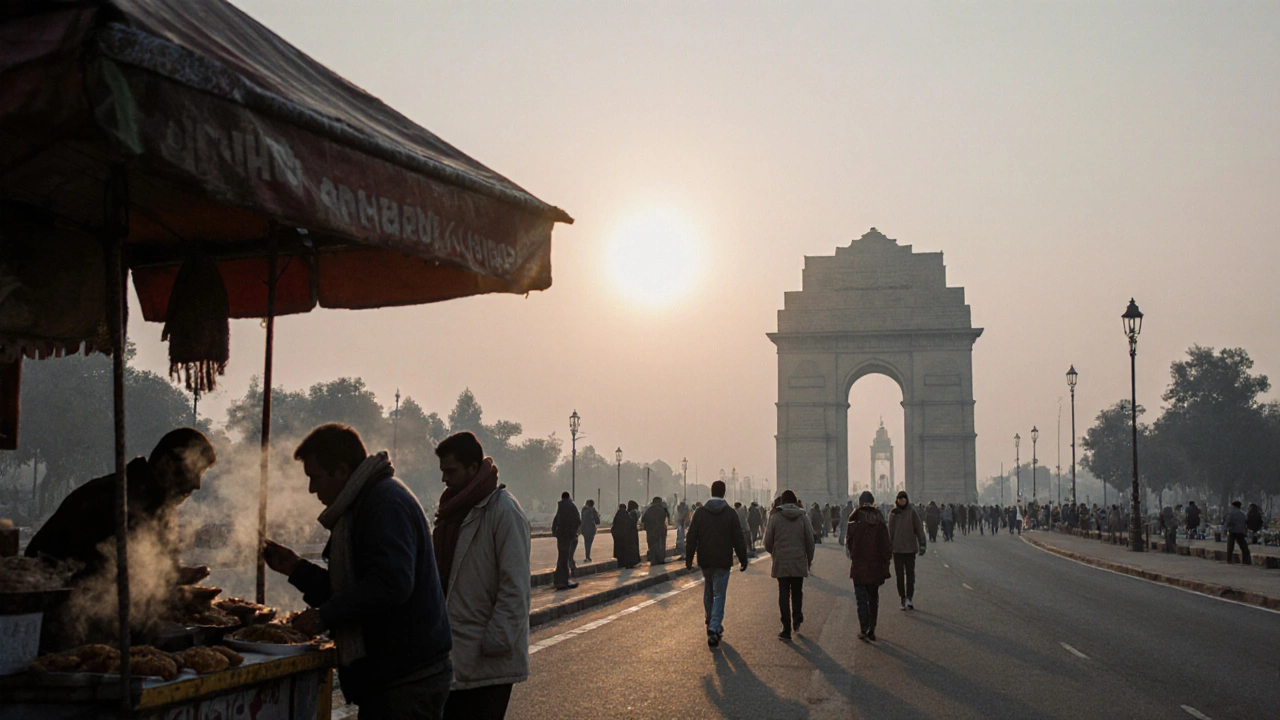
The weather? Perfect for walking. Days are sunny and mild—around 15°C in Delhi, 5°C in Manali, and freezing at higher altitudes. Nights drop below zero in places like Ladakh, so packing layers isn’t optional—it’s survival. But don’t let that scare you. Most tourist spots are well-equipped, and locals know exactly how to keep visitors warm. The real secret? Traveling in winter means fewer crowds, lower prices, and deeper connections. You’re not just sightseeing—you’re stepping into daily life, where temple priests light lamps before dawn and street vendors roast sweet potatoes over charcoal fires.
And the food? Winter transforms North Indian cuisine. You’ll taste rich dal makhani, steaming samosas, and spicy ghugni at every corner. In Kashmir, you’ll find harissa, a slow-cooked meat porridge that warms you from the inside. In Rajasthan, gatte ki sabzi and ker sangri come with warm rotis that taste like home. This is the season when food isn’t just fuel—it’s comfort, ritual, and celebration.
What you won’t find in summer—clear views of the mountains, quiet temples without lines, and the sound of snow crunching underfoot—is exactly what makes winter in northern India unforgettable. Whether you’re chasing adventure, culture, or peace, this season gives you all three. Below, you’ll find real traveler stories, practical tips on where to go, what to pack, and how to avoid the traps that catch first-timers. No fluff. Just what works.
Winter Weather in Northern India: Does It Get Cold?
Discover how cold it gets across northern India in winter, from plain cities to Himalayan peaks, with temperature tables, travel tips, and a practical itinerary.