Vacuum Toilet Train: What It Is and Why India’s Trains Are Changing
When you think of train travel in India, you might picture crowded platforms, steaming chai, and maybe—let’s be honest—the vacuum toilet train system that’s slowly replacing the old open-drop toilets. This isn’t just a minor upgrade. It’s a quiet revolution in public hygiene. A vacuum toilet train, a railway sanitation system that uses suction instead of water to remove waste. Also known as vacuum flush system, it’s now being rolled out across India’s long-distance trains to stop waste from being dumped directly onto the tracks. Before this, millions of travelers had to deal with open chutes that dumped sewage into the countryside. Now, waste is collected in sealed tanks and emptied only at designated stations. It’s cleaner. Safer. And honestly? A lot less embarrassing.
This change didn’t happen overnight. It started as a pilot project in 2019 and has since spread to hundreds of trains, especially on major routes like Delhi-Mumbai, Howrah-Chennai, and New Delhi-Varanasi. The system works like a high-powered vacuum cleaner: when you flush, a small amount of water and strong suction pull waste into a holding tank. No water waste. No smell. No pollution on the tracks. It’s the same tech used on airplanes and cruise ships—but now it’s on Indian rails. This shift also means fewer complaints from people living near railway lines, less environmental damage, and better public health. The Indian Railways didn’t just fix a toilet—they fixed a decades-old problem that was costing them in reputation, cleanup costs, and public trust.
And it’s not just about the toilets. This upgrade is part of a bigger push: cleaner stations, better maintenance, and traveler-focused improvements. You’ll now find these vacuum toilets on most premium trains like Rajdhani, Shatabdi, and Duronto. Even some older trains are being retrofitted. For travelers, that means no more holding your breath during a stop or worrying about where the waste goes. For families, solo women travelers, or anyone who’s ever felt uncomfortable on a long journey—it’s a game-changer.
What you’ll find in the posts below aren’t just random travel tips. They’re real stories from people who’ve noticed the difference. From travelers who once avoided night trains because of the toilets, to locals who’ve seen the cleanup in their villages. You’ll also find comparisons with luxury trains like the Orient Express, tips on what to pack for train travel in India, and guides on which routes now have the best facilities. This isn’t just about toilets. It’s about how India is quietly making travel more dignified—for everyone.
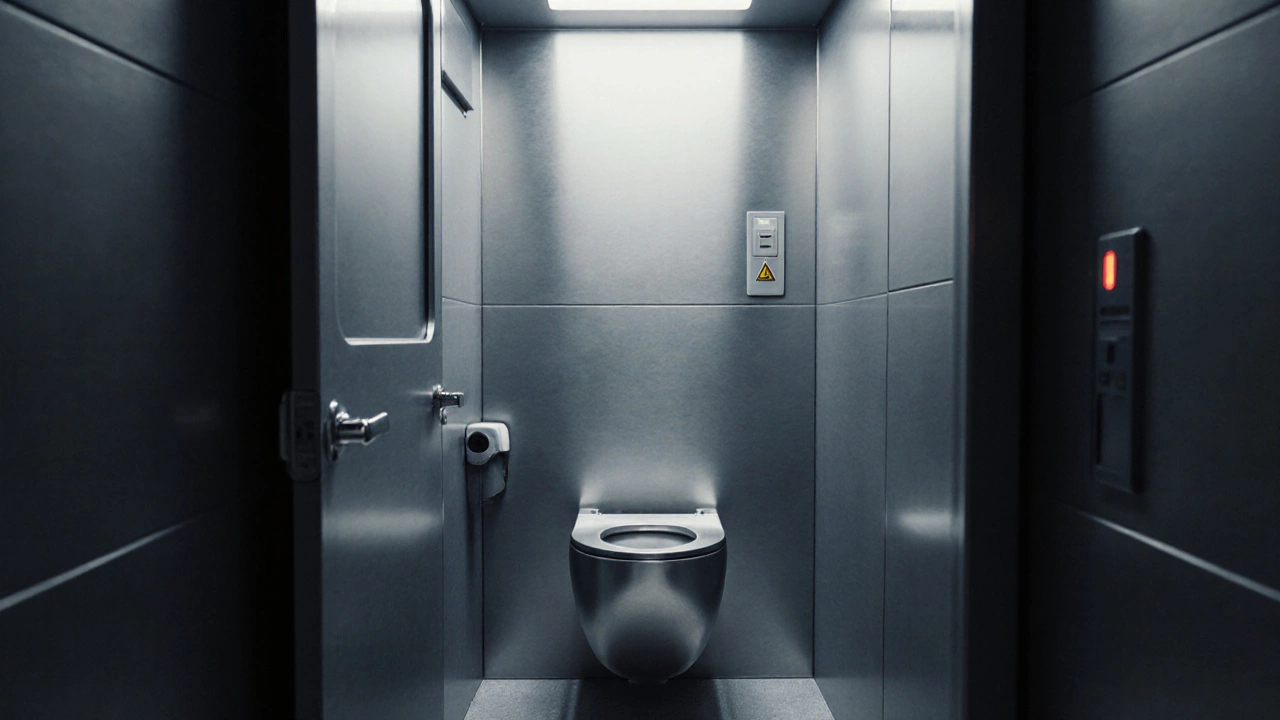
How Train Toilets Work: Inside the Waste Management System of Modern Railways
Explore how train toilets work, the types of systems used worldwide, waste handling processes, and practical tips for travelers.