US Travel Safety to India: What You Need to Know Before You Go
When Americans think about traveling to India, a country with deep cultural roots, diverse landscapes, and vibrant cities that welcome millions of visitors each year. Also known as the Indian subcontinent, it’s a place where ancient temples stand beside bustling markets, and the food is as bold as the people. But for first-time visitors from the US, questions about travel safety, the practical steps needed to avoid illness, scams, and discomfort while exploring come up often. The good news? Most of India is perfectly safe for tourists—especially if you know what to expect.
India’s biggest safety concerns aren’t crime or violence—they’re things most Americans don’t prepare for: food and water, transportation chaos, and cultural misunderstandings. You won’t get sick from walking the streets of Delhi or Jaipur, but you might from drinking tap water or eating raw salad from a quiet stall. That’s why safe eating in India, choosing hot, freshly cooked food and avoiding unpeeled fruits or ice in drinks is the number one rule. Cities like Agra, Rishikesh, and Goa have well-trodden tourist paths with reliable food vendors, hotels, and English-speaking staff. But even in these places, you still need to be smart. Stick to busy restaurants, ask if the water is bottled, and carry hand sanitizer. Most travelers who get sick do so because they assume India works like home—where salad is always safe and ice is just ice.
Transportation is another area where US habits don’t translate. Taxis in Mumbai or Delhi might not use meters, and trains can be overwhelming if you don’t know your class. But India’s train system is also one of the most affordable and scenic ways to travel. Booking through official sites or trusted agents cuts out the guesswork. And when it comes to personal safety, women travelers should know that modest clothing isn’t just respectful—it helps avoid unwanted attention. You don’t need to cover up completely, but shorts and tank tops in rural areas or religious sites will draw stares—and sometimes trouble. The same goes for public displays of affection. What’s normal in New York or LA can feel disrespectful in Varanasi or Pushkar.
Health prep matters too. You’ll need vaccines for hepatitis A, typhoid, and maybe rabies if you plan to hike or visit remote areas. Malaria isn’t common in most tourist zones, but it’s still a risk in parts of central and eastern India. Bring a basic first-aid kit with anti-diarrheal meds, antiseptic wipes, and painkillers. Pharmacies are everywhere, but brand names differ—learn the generic names for common drugs. And always carry a copy of your passport and travel insurance info. You won’t need it every day, but when you do, you’ll be glad you have it.
India isn’t a country you conquer—it’s one you adapt to. The more you respect its rhythms, the more it rewards you. You’ll find that the same streets that seem chaotic at first become comforting once you learn the flow. The same food that scares you on day one becomes your favorite meal by day five. And the people? They’re often the reason you come back. This collection of posts covers everything from what Americans can safely eat in North India, to which cities are safest for solo travelers in 2025, to how much $1 really buys on the ground. You’ll find real tips from real travelers—not theory, not brochures. Just what works.
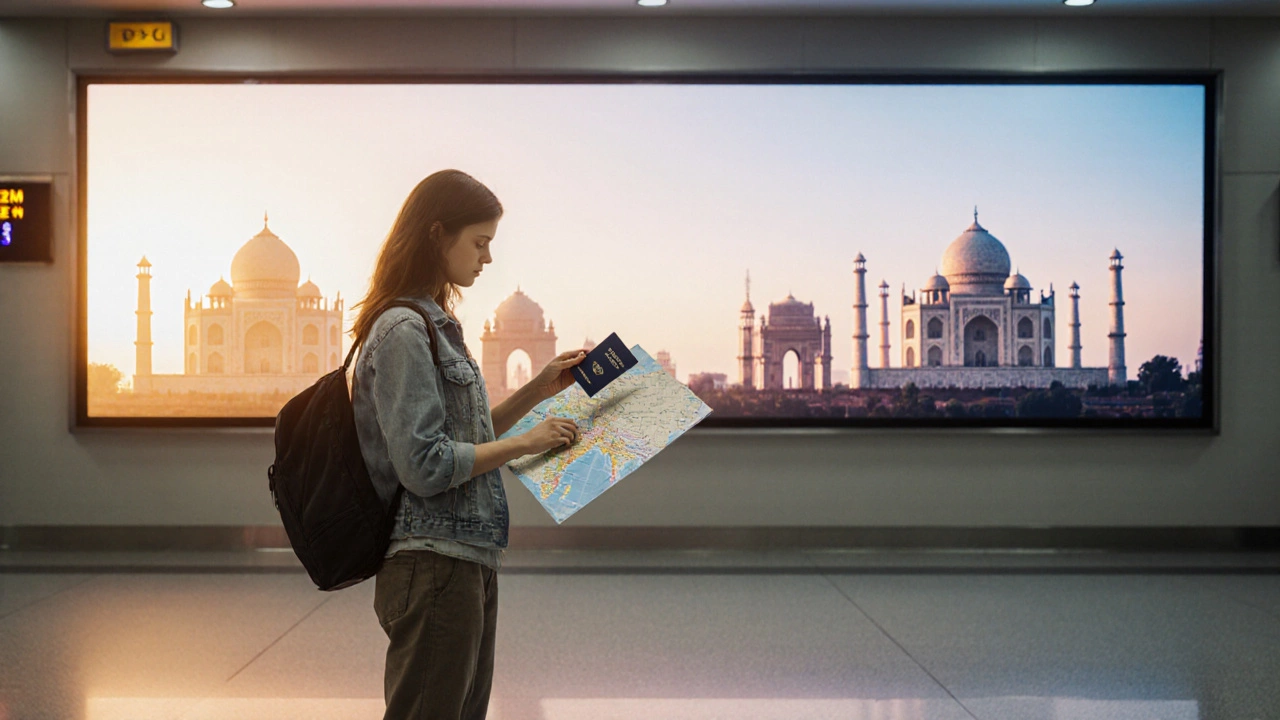
US Travel Safety to India 2025: What You Need to Know
Find the latest safety guidance for US citizens traveling to India in 2025, including health alerts, crime tips, travel advisories, and a practical safety checklist.