Train Bathroom System in India: What You Need to Know Before You Ride
When you ride a train in India, one of the first things you’ll notice—sometimes with surprise—is the train bathroom system, the network of toilets and sanitation facilities on Indian railways, ranging from open-chute designs to modern bio-toilets. Also known as railway toilets, this system is a mix of old-school practicality and recent upgrades, shaped by millions of daily passengers and the sheer scale of India’s rail network. It’s not glamorous, but it’s essential. And if you’ve ever wondered why some toilets have no doors, or why you’re handed a bucket of water instead of a flush, you’re not alone.
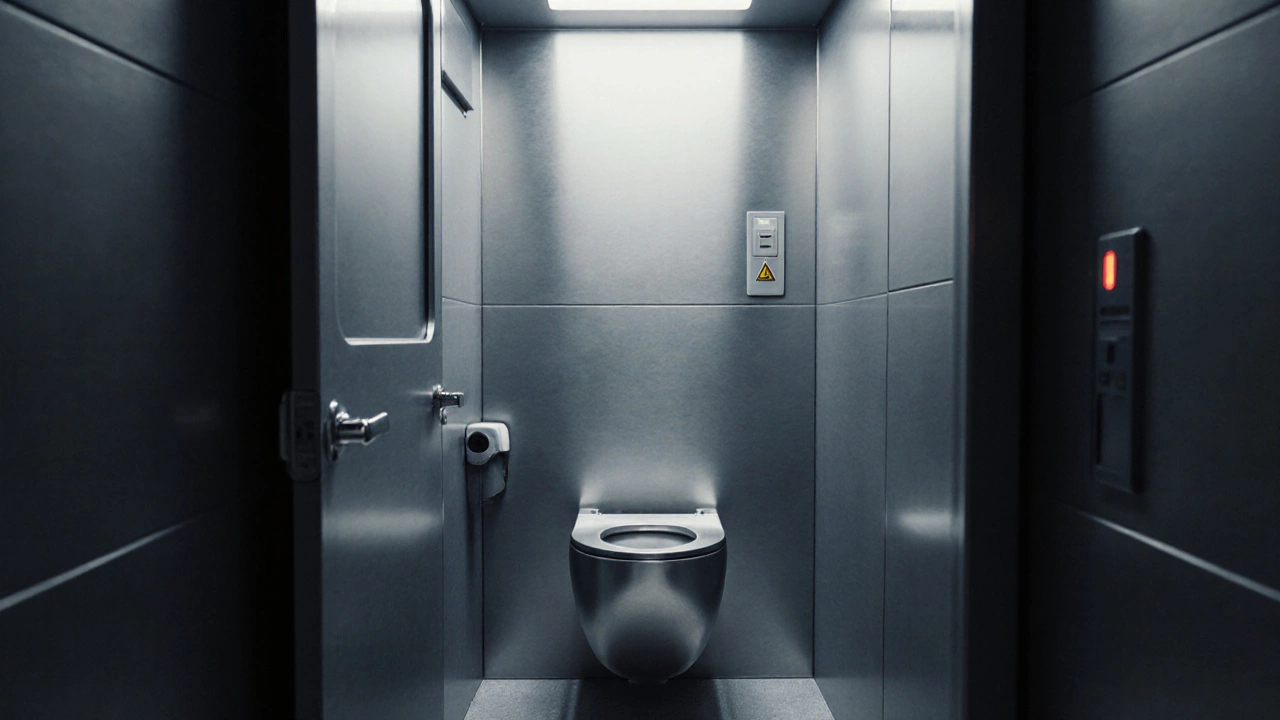
The train bathroom system, the sanitation infrastructure on Indian trains that serves over 23 million passengers daily. Also known as railway toilets, it has evolved from open tracks to closed, eco-friendly units isn’t the same everywhere. On older trains, you’ll find the classic ‘chute’ toilet—no flush, no water, just a hole that drops waste directly onto the tracks. It’s crude, but it’s been around for decades and still works in remote areas. On newer trains, especially Rajdhani, Shatabdi, and Vande Bharat express services, you’ll find bio-toilets, a technology developed by DRDO that breaks down waste using bacteria, preventing contamination of tracks and soil. These are sealed, odor-controlled, and use minimal water. You’ll know them by the small sign near the door and the lack of visible waste below.
What about hygiene? Most trains now have cleaning staff who check toilets every few hours, but don’t expect five-star hotel standards. Paper is often not provided—you’ll need to carry your own. Water is usually available via a small tap or bucket, but it’s not always clean. Some travelers bring disinfectant wipes, hand sanitizer, and even a small towel. The key? Don’t assume anything. Always check the floor before stepping in, avoid touching surfaces, and wash your hands immediately after—even if the water looks murky. Many stations now have handwashing stations right outside the train doors, so use them.
Why does this matter? Because the train bathroom system isn’t just about comfort—it’s tied to public health, environmental policy, and cultural attitudes toward sanitation. India’s push for clean railways has been one of its most visible infrastructure wins in the last decade. The government replaced over 100,000 old toilets with bio-toilets by 2023, cutting pollution and improving dignity for passengers. But progress isn’t uniform. On a slow local train in Bihar, you might still see the old system. On a luxury sleeper in Kerala, you might get a flush toilet with a mirror and soap.
So what should you do? Pack smart: carry wet wipes, hand sanitizer, a small towel, and a plastic bag for your used toilet paper. Avoid using the toilet right before a long stop—many trains lock bathrooms during station stops. And if you’re traveling with kids or elderly companions, ask the ticket checker or attendant for the cleanest car—it’s usually near the middle of the train, where cleaning crews focus most.
What you’ll find in the posts below are real traveler stories, tips from locals, and breakdowns of how different trains handle sanitation—from the chaos of a packed Duronto to the quiet efficiency of a Vande Bharat. You’ll learn what to expect on overnight journeys, how to handle emergencies, and why some trains smell worse than others. This isn’t just about toilets. It’s about navigating India’s railways with confidence, dignity, and a little preparation.
How Train Toilets Work: Inside the Waste Management System of Modern Railways
Explore how train toilets work, the types of systems used worldwide, waste handling processes, and practical tips for travelers.