South India Transportation: How to Get Around Kerala, Tamil Nadu, and Beyond
When you’re exploring South India transportation, the mix of buses, trains, auto-rickshaws, and private cabs that move people across Kerala, Tamil Nadu, Karnataka, and Andhra Pradesh. Also known as South Indian travel logistics, it’s not just about getting from point A to B—it’s about understanding how locals move, where the deals are, and how to avoid the traps. This isn’t North India, where trains run like clockwork and Uber is everywhere. Here, the rhythm is slower, the systems are messier, and the rewards are bigger if you know the rules.
You don’t need to rent a car. Most travelers don’t. The state-run KSRTC and TNSTC buses, the backbone of long-distance travel in South India, connecting cities like Mysore, Cochin, Madurai, and Pondicherry with clean, air-conditioned options and budget-friendly non-AC rides. A bus from Bangalore to Mysore takes under three hours and costs less than $5. A train from Chennai to Pondicherry? Less than $3, and you’ll see more of the countryside than you would in a taxi. These aren’t tourist services—they’re what people use every day. And if you ride them, you’ll get treated like family, not a foreigner.
Then there’s the auto-rickshaw, the three-wheeled workhorse of South Indian towns, where haggling isn’t rude—it’s expected. Always agree on the price before you get in. Don’t let them use the meter unless you’re sure it’s working. In smaller towns, you might need to walk to the main road to find one. In cities like Coimbatore or Trivandrum, apps like Ola and Uber exist—but they’re pricier and less common than in Delhi or Mumbai. For short hops, walking is often faster and cheaper. In temple towns like Rameswaram or Kanchipuram, you’ll see people biking, walking, or riding scooters—cars are the exception, not the rule.
What about getting to beaches or hill stations? The private taxis, often hired by the day for temple tours or coastal drives. A full-day driver in Kerala for a backwater route or hill climb might cost $30–$40, including fuel. It’s worth it if you’re going to remote spots like Ooty or Gavi. But don’t book through your hotel—they’ll mark it up. Ask your guesthouse owner for a trusted driver instead. They know who won’t overcharge or take the long way.
And yes, the trains are still the best way to cover long distances. South India has some of India’s most scenic rail routes—the Konkan line, the Nilgiri Mountain Railway, the route from Kanyakumari to Thiruvananthapuram. Book tickets early on IRCTC. If you’re not sure how, ask at the station counter. Staff are usually helpful, even if they don’t speak English. Carry cash. Card payments often fail. And always double-check your platform. Stations like Madurai Junction or Mysore Junction can be chaotic, with trains arriving and leaving every 15 minutes.
There’s no single system that works everywhere. That’s the point. South India transportation isn’t designed for tourists—it’s designed for people who live here. And when you learn to move like they do, you stop being a visitor and start feeling like you belong. You’ll ride with farmers heading to market, students rushing to college, families heading to temple. You’ll see the real India—not the curated version.
Below, you’ll find real stories from travelers who’ve done it right—how they saved money on buses, found hidden train deals, avoided overpriced taxis, and still got to every temple, beach, and hilltop they wanted. No fluff. Just what works.
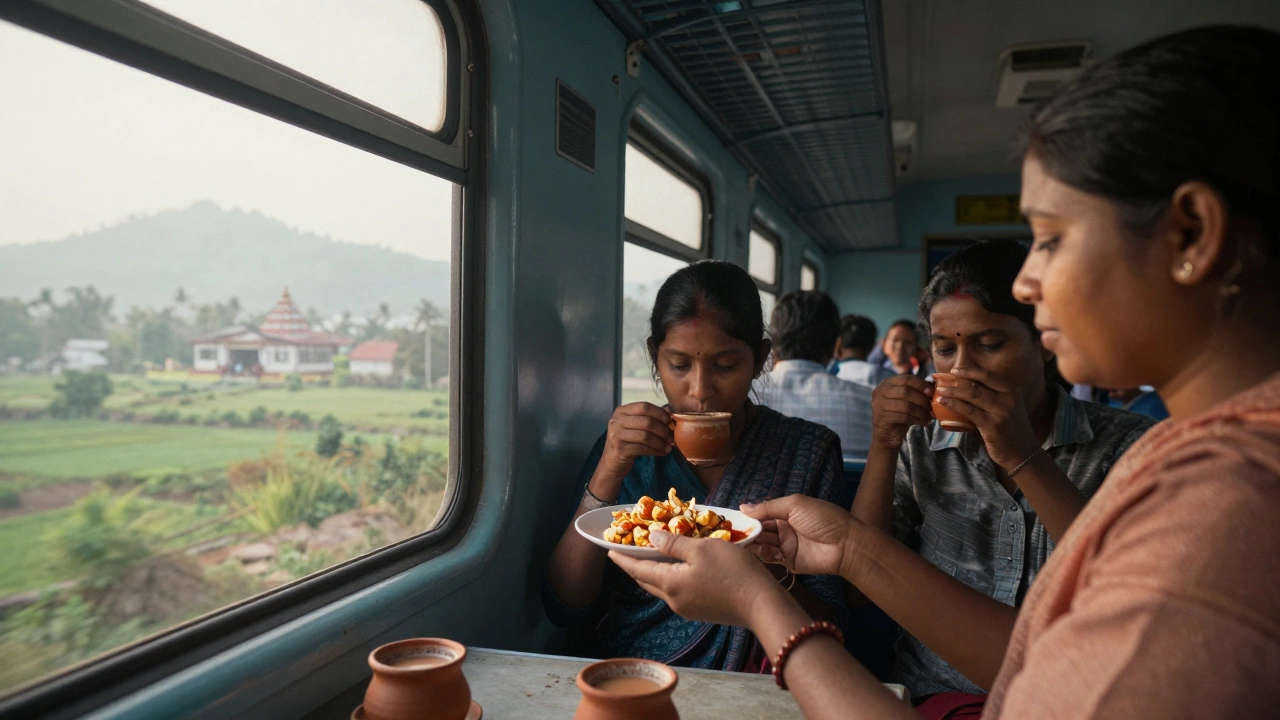
What Is the Best Way to Travel in South India?
The best way to travel in South India combines trains, local drivers, and boats for an authentic experience. Skip the rush and embrace the rhythm of slow travel through temples, backwaters, and tea estates.