Safe Travel India: What You Actually Need to Know
When you think about safe travel India, the combination of practical precautions, cultural awareness, and smart planning that lets you explore India without unnecessary risk. Also known as India travel safety, it’s not about fear—it’s about knowing what to watch for and what to ignore. Millions of travelers visit India every year, and most of them leave with unforgettable memories, not stories of trouble. The key isn’t avoiding the country—it’s moving through it with clear eyes and simple habits.
Food safety is the #1 concern for first-timers, and it’s also the easiest to handle. Stick to food that’s hot off the grill, like tandoori chicken or freshly made dal and roti. Avoid raw salads, unpeeled fruit, and tap water. Busy street stalls with long lines? Those are your friends. High turnover means fresh food and fewer risks. For water, bottled is fine—just check the seal. You don’t need to live in a bubble. Many Americans and Europeans eat street food in India without issue, as long as they follow these basics.
Transportation is another area where common sense beats panic. Trains are safe, reliable, and the best way to see the country. Book AC sleeper classes for comfort and security. If you hire a driver, use trusted services like Ola or Uber, or ask your hotel to arrange one. Avoid unmarked cabs, especially at night. In cities like Delhi or Mumbai, traffic is chaotic—but so is New York or Bangkok. Stay calm, wear your seatbelt, and keep valuables out of sight. For solo travelers, especially women, dressing modestly and avoiding isolated areas after dark goes a long way. It’s not about restrictions—it’s about blending in and staying aware.
India’s culture is deeply rooted in respect. When entering temples, remove your shoes. Don’t point your feet at people or religious objects. Ask before taking photos of locals, especially in rural areas. These aren’t rules to scare you—they’re signs of courtesy that open doors. People notice when you try. And they’ll often go out of their way to help.
Health precautions are simple: carry hand sanitizer, get routine vaccines, and pack basic meds for stomach issues. Most clinics in tourist areas speak English. Pharmacies are everywhere. You don’t need travel insurance that covers everything—but do get one that covers medical evacuation. It’s cheap and worth it.
Safe travel India doesn’t mean staying in a resort. It means walking through Varanasi’s alleys, riding a train to Kerala, hiking Kuari Pass, or eating chaat in Jaipur with confidence. The risks are real, but they’re manageable. The rewards? A country that pulses with color, history, and warmth you won’t find anywhere else. Below, you’ll find real stories, practical tips, and honest advice from people who’ve done it—without the fear-mongering. Let’s get you ready to go.
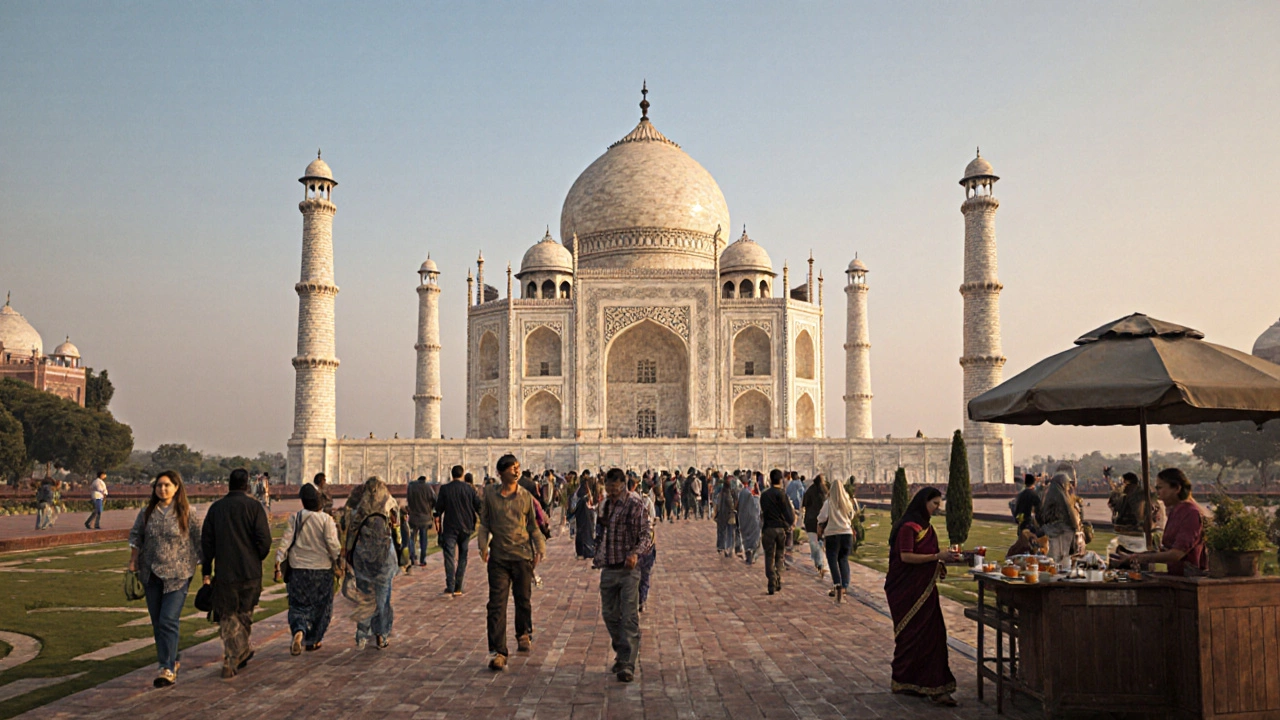
Which Parts of India Are Safe to Travel in 2025?
North India offers some of the safest and most rewarding travel experiences in the country, with well-developed tourist infrastructure in cities like Delhi, Agra, Jaipur, and Rishikesh. Learn where to go, what to avoid, and how to travel confidently in 2025.