Rich Culture in India: Traditions, Temples, and Living Heritage
When you think of rich culture in India, a living, breathing tapestry of over 2,000 years of traditions, languages, and spiritual practices. Also known as Indian heritage, it's not locked in museums—it's in the smell of incense at dawn, the rhythm of a temple bell, and the way a grandmother teaches her granddaughter to tie a sari. This isn’t one culture. It’s dozens—each region has its own music, food, dress, and rituals that have survived wars, colonization, and modernization because people still live them every day.
Take Hindu temples, sacred spaces that aren’t just places of worship but centers of art, community, and daily life. The Tirumala Venkateswara Temple draws over 50 million visitors a year—not because it’s old, but because it’s alive. People still offer coconuts, sing bhajans, and sleep on temple floors because it means something. In Varanasi, over 2,100 temples line the Ganges, each with its own story, its own priests, its own rhythm. These aren’t tourist props—they’re the heartbeat of communities.
And it’s not just temples. Indian traditions, from Assamese weaving to Tamil temple festivals, are passed down through generations, not textbooks. In Kerala, women still wear handwoven kasavu saris for weddings, made the same way their grandmothers did. In Rajasthan, folk songs tell stories of kings and droughts that no history book records. Even something as simple as eating with your hands isn’t just habit—it’s connection. You taste the food, feel the texture, share the moment. That’s culture—not something you watch, but something you join.
What makes rich culture in India different from other countries? It doesn’t wait for you to visit. It invites you in. You don’t need to be religious to feel the weight of a prayer at Kashi Vishwanath. You don’t need to know Sanskrit to be moved by a temple car procession in Madurai. The culture doesn’t perform for tourists—it exists whether you’re there or not. And when you show up with respect, it lets you in.
Below, you’ll find real stories from people who’ve walked these paths—whether climbing to a Himalayan shrine, eating tandoori chicken in a Delhi alley, or sitting silent in a temple courtyard at sunrise. These aren’t generic lists. They’re snapshots of culture as it’s lived—not as it’s sold.
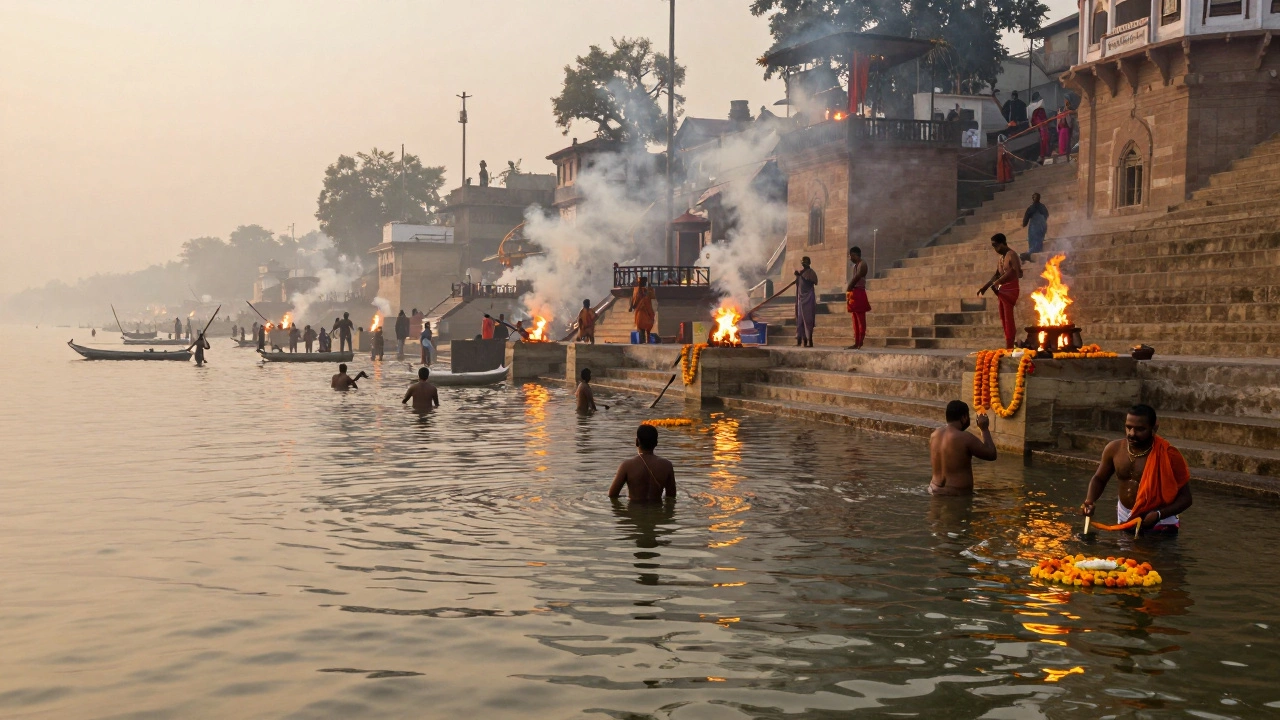
Which Culture Is Rich in India? Discover the Heartbeat of Its Heritage Sites
India's cultural richness isn't tied to one place-it lives in ancient temples, living crafts, and daily rituals from Varanasi to Chettinad. Discover the heritage sites where tradition still breathes.