Outdoor Clothing for India: What to Wear on Treks, Temples, and Trails
When you’re heading out for a trek in the Himalayas or exploring ancient temples in South India, your outdoor clothing, practical gear designed for physical activity in changing weather conditions. Also known as adventure wear, it’s not just about comfort—it’s about safety, respect, and staying prepared for India’s wild extremes. This isn’t the same as packing for a city break. One day you’re sweating on a mountain trail at 12,000 feet, the next you’re covering your shoulders before walking into a sacred shrine. Your clothes have to do double duty.
India’s terrain demands smart choices. For treks like Kuari Pass or Kailash Mansarovar, you need moisture-wicking base layers, insulated mid-layers, and a windproof outer shell. But you also need to know when to switch into modest, breathable cotton—like a long tunic or salwar kameez—when visiting temples where bare legs or tight clothes are frowned upon. The same fabric that keeps you dry on a climb can also keep you cool in a humid temple courtyard. Trekking gear, specialized apparel and equipment for hiking and mountain travel. Often includes waterproof jackets, sturdy boots, and layered systems. isn’t just for climbers. It’s for anyone who wants to move freely without standing out or offending local customs.
And let’s talk about footwear. You’ll need waterproof hiking boots for rocky trails in Manali or Ladakh, but you’ll also need slip-on sandals or shoes you can easily kick off before stepping onto temple floors. Many travelers pack too much—three pairs of jeans, five t-shirts, a bulky raincoat—and end up lugging weight they never use. The trick? Pack light, pack smart. Quick-dry fabrics, convertible pants, and a lightweight puffer jacket cover 80% of what you’ll need. You don’t need branded gear to be prepared—just functional stuff that fits your pace.
What you wear also tells a story. In places like Rishikesh or Dharamshala, you’ll see tourists in yoga pants and tank tops, but locals still expect modesty near spiritual sites. A simple scarf can cover your head in a temple, and a long shirt solves the problem of shorts in a village. This isn’t about rules—it’s about showing up with awareness. Your temple dress code, local expectations for modest attire when entering religious sites. Often includes covering shoulders, knees, and removing footwear. isn’t written down anywhere, but it’s felt everywhere.
And don’t forget the sun. India’s UV levels are brutal, even on cloudy days. A wide-brimmed hat, UV-blocking sunglasses, and a light scarf for your neck aren’t fashion choices—they’re survival tools. A good sun shirt with UPF rating beats a cotton t-shirt every time. And yes, you can find these in India, too. Markets in Delhi and Jaipur sell affordable, locally made cottons that breathe better than imported synthetics.
What you’ll find in the posts below are real, tested tips from people who’ve walked these paths. You’ll learn what to pack for a beginner climb, how to dress for a monsoon trek, why you shouldn’t wear leather near temples, and which fabrics actually survive India’s heat and humidity. No fluff. No guesswork. Just what works—on the trail, in the temple, and on the road between.
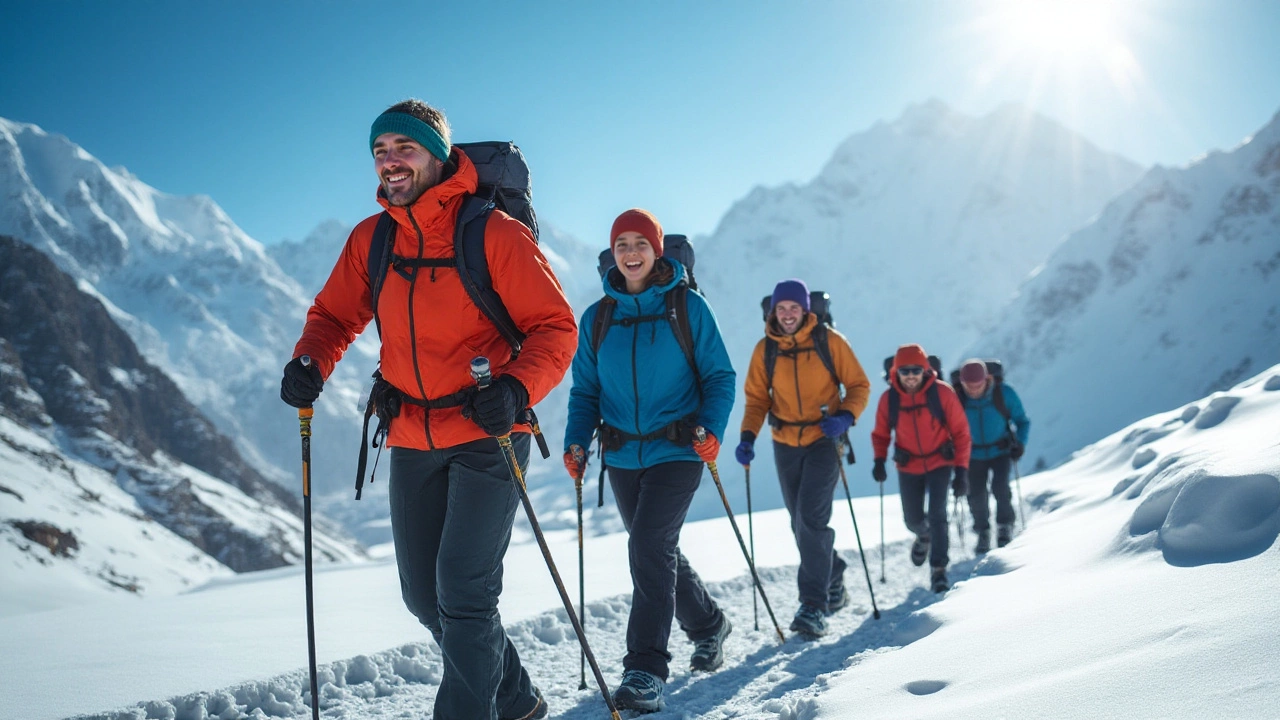
Mastering the 3 Layer Rule for Hiking in Indian Trails
Understanding the 3 Layer Rule for hiking is crucial for anyone exploring the varied terrains of India's trekking trails. This method involves wearing specific clothing layers to adapt to changing weather conditions, ensuring comfort and safety throughout the hike. Whether you're venturing through the Himalayas or walking past lush Western Ghats, knowing the art of layering can make all the difference. Discover practical tips, types of clothing, and how to choose the right layers for an unforgettable trekking experience.