Northern India Temperature: What to Expect and When to Go
When you think about Northern India temperature, the range of weather across states like Uttar Pradesh, Rajasthan, Delhi, and Himachal Pradesh varies from scorching summers to freezing winters. Also known as North Indian climate, it’s not one single weather pattern—it’s a series of sharp seasons that shape how, when, and where people travel. If you’re planning a trip to the Taj Mahal, the Himalayan foothills, or the desert forts of Rajasthan, the temperature isn’t just background info—it’s your biggest travel decision.
From March to June, Northern India temperature, often climbs above 40°C (104°F), especially in cities like Delhi and Jaipur. Also known as summer heat in North India, this season is brutal for unprepared travelers. Many locals stay indoors during midday, and street food stalls close by 2 PM. If you’re visiting then, plan early mornings and late evenings, carry a hat, and never skip water. But don’t let that scare you off—this is also when festivals like Holi explode with color, and the crowds thin out after April. Then comes monsoon season, from July to September. The rains bring relief but also humidity, delays, and muddy roads. The Himalayas get heavy rain, while the plains get soggy. It’s not ideal for sightseeing, but if you’re okay with fewer tourists and lush greenery, places like Rishikesh and Varanasi can feel magical after a downpour.
The real sweet spot? October to February. Northern India temperature, drops to a comfortable 10–25°C (50–77°F) during these months. Also known as winter travel season in North India, this is when most foreigners plan their trips. Days are sunny and crisp, nights can be chilly—especially in Agra or Shimla—so pack layers. December and January are the coldest, with temperatures dipping below 5°C (41°F) in some areas. But that’s also when the air is clearest, perfect for photography at the Taj Mahal or trekking near Manali. If you’re into snow, head to Manali or Mussoorie in December. If you want warmth without the sweat, Goa’s beaches are a short flight away.
What you wear, what you eat, even how early you book your hotel—all of it depends on the season. A tourist in July might need a raincoat and a portable fan. One in January needs a woolen jacket and thermal socks. And if you’re visiting temples or palaces, you’ll want to avoid the midday heat when crowds and heat combine into a miserable mix.
Below, you’ll find real travel stories and tips from people who’ve been there—whether they hiked Kuari Pass in freezing fog, ate tandoori chicken in 42°C heat, or watched the sun rise over the Ganges in winter mist. No fluff. Just what works.
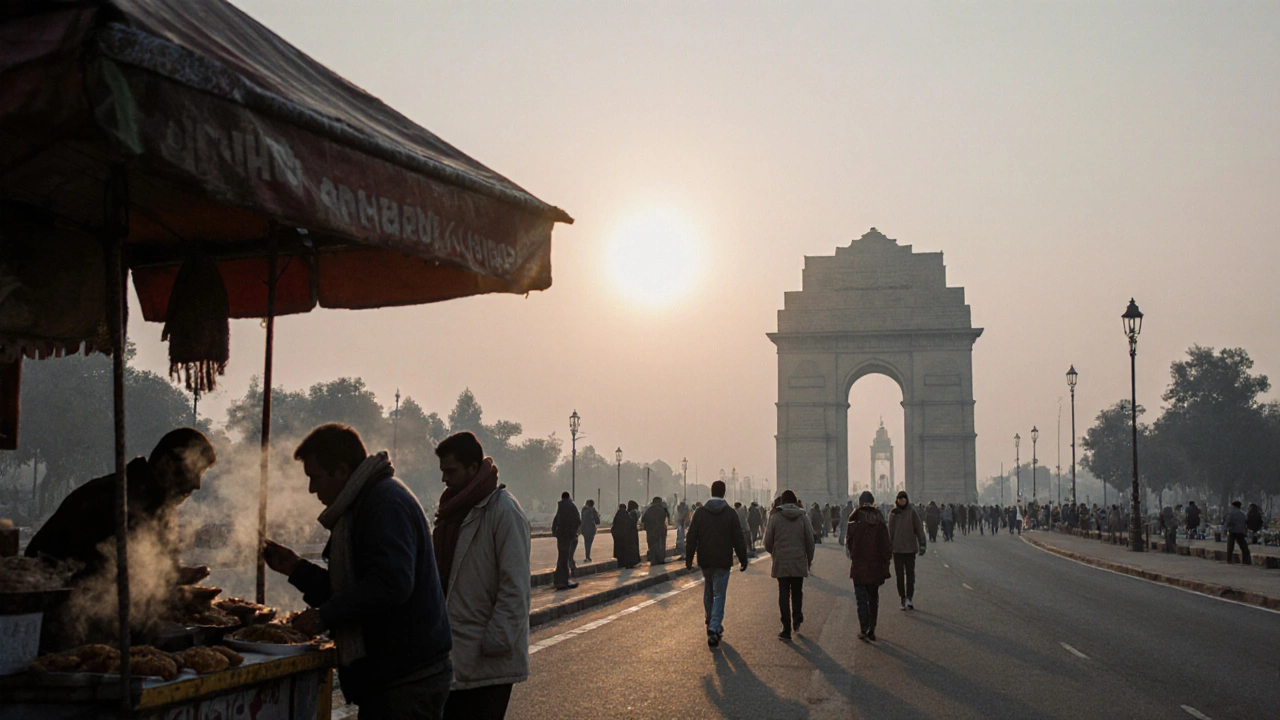
Winter Weather in Northern India: Does It Get Cold?
Discover how cold it gets across northern India in winter, from plain cities to Himalayan peaks, with temperature tables, travel tips, and a practical itinerary.