North India Climate: What to Expect and When to Go
When you think of North India climate, the seasonal extremes that shape travel, culture, and daily life across states like Uttar Pradesh, Rajasthan, Delhi, and Himachal Pradesh. It's not just weather—it's the rhythm that decides when temples overflow with pilgrims, when treks open up, and when street food tastes best. This region swings from baking heat in May to freezing fog in January, with a short, muddy monsoon in between. If you're planning a trip, ignoring the climate means risking sunstroke in Jaipur, shivering in Agra at dawn, or getting stuck on a flooded road in Rishikesh.
The North India climate, a mix of arid plains, high Himalayan valleys, and river basins. Also known as the Indo-Gangetic plain climate, it’s shaped by geography: the Himalayas block cold Central Asian winds in winter, while the Thar Desert pulls in hot, dry air in summer. This means Delhi can hit 45°C in June, while Manali drops below freezing in December. The monsoon, the brief but powerful rainy season that arrives in late June and fades by August. Also known as the southwest monsoon, it brings relief but also chaos—roads wash out, trains delay, and some heritage sites close for maintenance. Most travelers avoid July and August unless they’re chasing waterfalls or want to experience lush green hills in Himachal.
For most visitors, the sweet spot is October to March. October and November offer clear skies, warm days, and cool nights—perfect for exploring the Taj Mahal without the summer haze. December and January are ideal for hill stations like Shimla or Dalhousie, where you can sip chai by a fireplace after a morning walk. February and March bring spring blooms to Kashmir and the start of festival season in Pushkar and Jaipur. That’s when you’ll find the most posts here: guides on what to wear, where to stay, and how to avoid crowds while still catching the magic.
Don’t let the cold scare you off. Winter in North India isn’t just about layers—it’s about quiet temples, empty forts, and locals who actually have time to chat. And summer? It’s not all bad. If you’re heading to Rishikesh or Haridwar, the heat makes the Ganges feel like a welcome dip. Just know: if you’re visiting in May, carry a hat, water, and patience. The North India climate doesn’t care about your itinerary—it runs on its own calendar.
What you’ll find below are real, practical guides shaped by this rhythm—tips on when to climb Kuari Pass, how to eat safely in the heat, which festivals shine in the cool months, and why some places are better avoided in monsoon. These aren’t generic lists. They’re answers from people who’ve been there, felt the burn, wrapped up in blankets at 4 a.m., and still fell in love with the place.
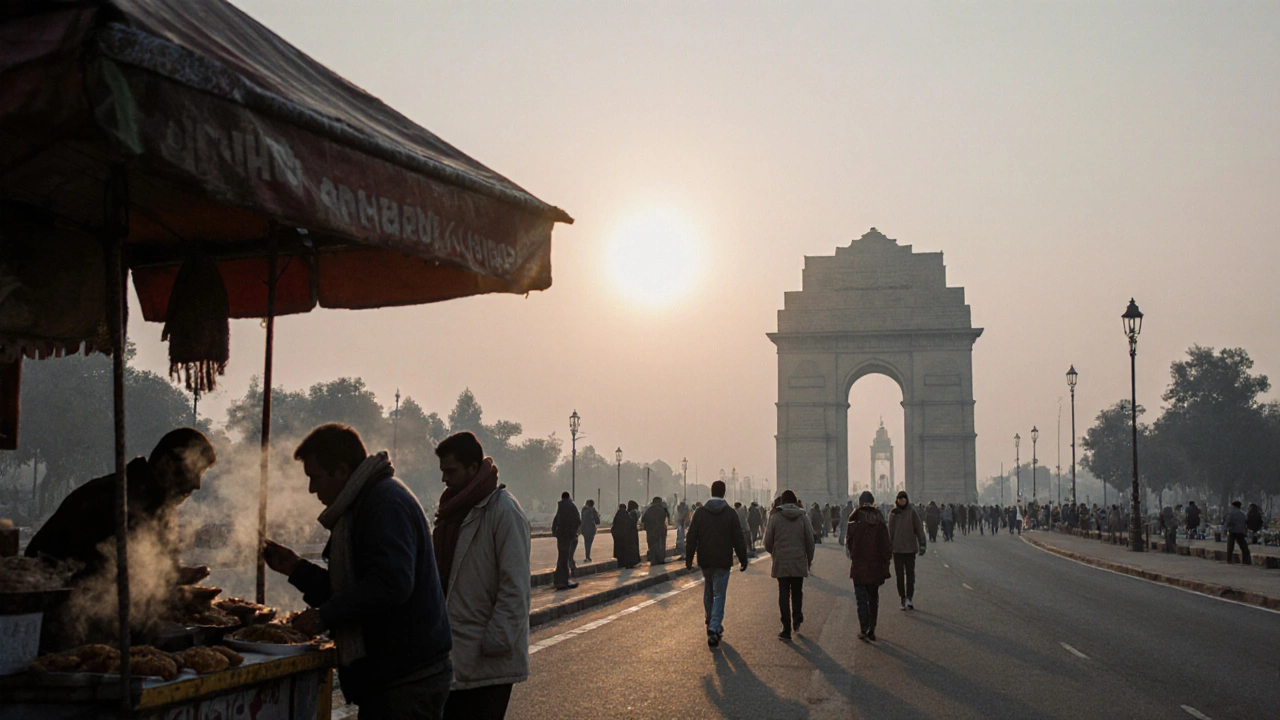
Winter Weather in Northern India: Does It Get Cold?
Discover how cold it gets across northern India in winter, from plain cities to Himalayan peaks, with temperature tables, travel tips, and a practical itinerary.