Indian Temples: Sacred Sites, Customs, and Must-Visit Pilgrimages
When you think of Indian temples, ancient stone structures where faith, art, and daily life blend into one. Also known as Hindu temples, they aren’t just places of worship—they’re living centers of community, art, and tradition that have shaped India for over a thousand years. Every temple tells a story: of gods who walk among people, of rituals passed down through generations, and of pilgrims who travel thousands of miles just to touch a statue or drink holy water.
Some temples draw over 50 million visitors a year, like the Tirumala Venkateswara Temple, the most visited temple in India, located in Tirupati. Others, like the Golden Temple, the spiritual heart of Sikhism in Amritsar, welcome people of all faiths with free meals and open doors. Then there’s the Kashi Vishwanath, one of the twelve Jyotirlingas, where death is believed to bring liberation. These aren’t just buildings—they’re destinations that define what devotion means in India.
Visiting an Indian temple isn’t like walking into a museum. There are rules, quiet customs, and deep respect built into every step. You’ll need to remove your shoes, cover your head in some places, and avoid leather belts or bags. Women often wear saris or modest dresses, and men wear dhotis or long pants. These aren’t arbitrary traditions—they’re part of keeping the space sacred. The same way you’d whisper in a library, you lower your voice near the sanctum. You don’t point your feet at the idol. You don’t rush. You wait. You observe. And if you’re lucky, you’ll catch a priest chanting at dawn, or a grandmother offering flowers with trembling hands.
Behind every temple is a story of architecture, music, dance, and charity. The carvings on the walls? They’re not decoration—they’re ancient textbooks. The bells you hear? They’re meant to clear your mind. The free food served to thousands? That’s seva, selfless service, a core part of Hindu belief. And while you might hear about the most famous ones, the real magic often hides in smaller temples tucked into villages, where the air smells of incense and the only tourists are the ones who got lost on purpose.
Whether you’re drawn by history, spirituality, or just the sheer beauty of these places, what you’ll find in the posts below isn’t just a list of temples. It’s a guide to how to walk into them the right way, which ones to prioritize, and why some are packed with pilgrims while others feel like secret gardens. You’ll learn what makes the Meenakshi Temple in Madurai so dazzling, why the Jagannath Temple in Puri moves a nation every year, and how to plan your visit so you don’t miss the rituals that matter most. This isn’t about ticking boxes. It’s about understanding what makes these places breathe—and how to honor them when you go.
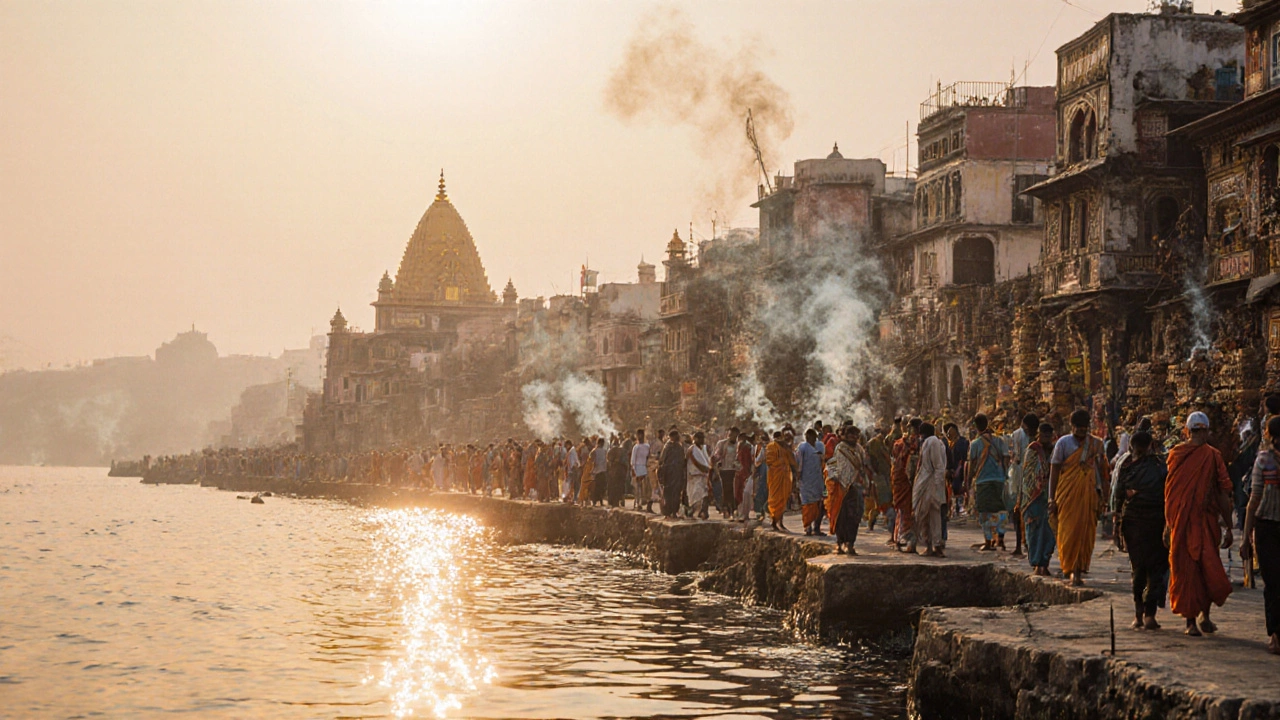
Which Indian City Has the Most Temples? Top Contenders for Temple Tourism
Varanasi has over 2,100 temples, making it India's temple capital. Bhubaneswar and Madurai also lead in temple density and heritage. Discover which city offers the deepest spiritual experience for temple tours in India.