India Travel Safety: What You Need to Know Before You Go
When you think about India travel safety, the practical steps tourists take to avoid risks while experiencing India’s culture, food, and landscapes. Also known as safe travel in India, it’s not about fear—it’s about knowing what to expect and how to move confidently through crowded streets, remote trails, and bustling markets. Most travelers worry about food, scams, or getting lost, but the real risks are simpler—and easier to avoid.
You don’t need a guidebook full of warnings. You need clear habits. For example, India street food safety, how to eat flavorful local meals without getting sick. Also known as safe eating in India, it’s about choosing stalls where food is cooked hot and served fast, avoiding raw salads, and sticking to bottled water. Americans and Europeans who follow this rule rarely get sick. Same goes for India trekking safety, preparing for altitude, weather, and isolation on trails like Kuari Pass or Kailash Mansarovar. Also known as India hiking safety, it means packing layers, checking local forecasts, and never hiking alone in remote areas like the Himalayas without a guide.
Transportation is another big piece. Taxis and rickshaws in cities can be chaotic, but you don’t need to panic. Use apps like Ola or Uber where they work, agree on fares before starting, and avoid unmarked vehicles at night. On trains, book confirmed seats in advance—especially if you’re traveling alone. Women travelers often feel safer in women-only compartments, which are available on most long-distance routes. And while cultural norms vary, dressing modestly in temples and rural areas isn’t just polite—it helps you blend in and avoid unwanted attention.
What you won’t find in most safety guides? The quiet truths. Like how staying in busy areas reduces risk more than any lock or alarm. Or how asking locals for advice—"Where do you eat here?"—gives you better info than any blog. Or how a simple phrase like "No, thank you" in Hindi can stop a pushy vendor faster than a raised voice. These aren’t tricks. They’re routines.
India’s biggest safety advantage? Its people. Most Indians go out of their way to help travelers, even if they don’t speak English. A smile, a nod, a gesture—these often mean more than any guidebook tip. But you still need to be smart. Don’t flash cash. Don’t wear expensive jewelry. Don’t assume everyone has your best interest at heart. Trust your gut. If something feels off, walk away.
Below, you’ll find real stories and practical advice from travelers who’ve been there. From what to eat in North India without getting sick, to how to pick the safest trek for beginners, to which beaches are safest for solo visitors. No fluff. No fearmongering. Just what works.
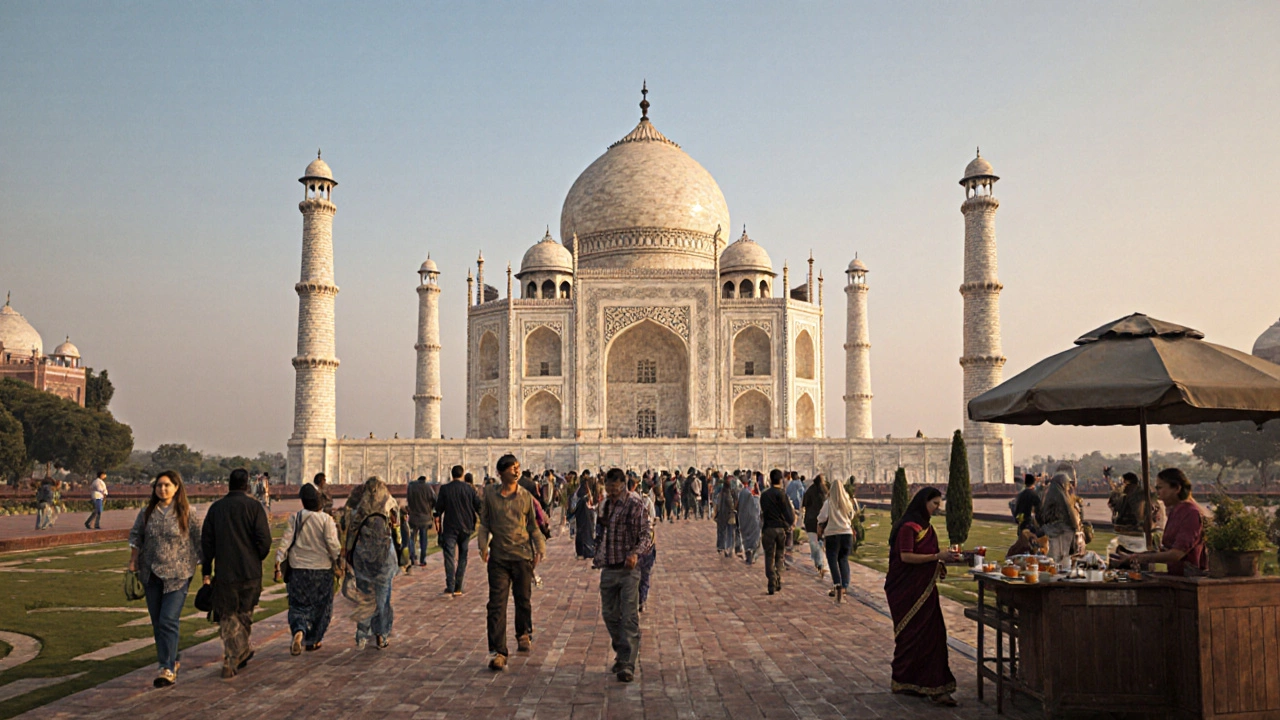
Which Parts of India Are Safe to Travel in 2025?
North India offers some of the safest and most rewarding travel experiences in the country, with well-developed tourist infrastructure in cities like Delhi, Agra, Jaipur, and Rishikesh. Learn where to go, what to avoid, and how to travel confidently in 2025.