India Travel Advisory: Safety, Tips, and What You Need to Know Before You Go
When you hear India travel advisory, official guidance from governments and travel experts on safety, health, and local conditions for visiting India. Also known as India travel warnings, it’s not about scaring you off—it’s about helping you show up prepared, not surprised. The truth? Most of India is perfectly safe for travelers. Cities like Delhi, Agra, Jaipur, and Rishikesh have well-established tourist infrastructure, clear signage, and friendly locals who’ve seen it all. But safety isn’t just about where you go—it’s about how you move, what you eat, and what you expect.
One of the biggest mistakes travelers make is treating India like one place. It’s not. North India tourism, the region covering Delhi, Rajasthan, Uttar Pradesh, and Uttarakhand, known for its historical landmarks and well-trodden tourist routes is the most beginner-friendly. Roads are better, hotels are more reliable, and English is widely spoken. Meanwhile, remote areas like parts of the Northeast or high-altitude treks like Kailash Mansarovar demand more planning, local guides, and physical readiness. If you’re traveling solo, stick to busy areas during daylight, avoid unmarked taxis, and always confirm prices before hopping in a rickshaw. Women travelers should dress modestly near temples and avoid isolated areas at night—but don’t let that limit your adventure. India rewards respect, not fear.
Food safety is another key part of any India travel safety, the practical measures and cultural awareness needed to avoid illness and stay healthy while exploring India. Stick to hot, freshly cooked food. Street stalls with long lines? That’s a good sign—high turnover means fresh ingredients. Avoid raw salads, tap water, and ice in drinks unless you’re sure it’s filtered. Carry hand sanitizer, and don’t be shy about asking for bottled water. Americans and Europeans often worry about spice levels, but most restaurants can tone it down if you ask. And yes, $1 still buys you a lot: a chai, a snack, or a short auto-rickshaw ride. That’s the real magic of India.
Don’t forget the seasons. The best time to visit? October to March. Cool weather, clear skies, and fewer crowds. Summer in Rajasthan? It’s a sauna. Monsoon in Kerala? Beautiful, but roads flood. Plan around weather, not just festivals. And if you’re thinking about trekking, remember: Kuari Pass is perfect for beginners. Kailash? Only if you’ve trained for altitude and solitude. There’s no one-size-fits-all rule here.
What you’ll find below isn’t a list of warnings—it’s a collection of real, practical advice from people who’ve walked these streets, ridden these trains, and eaten at these stalls. From what to wear in temples to which airports get you closest to Goa’s beaches, these posts cut through the noise. No generic lists. No fluff. Just what you need to know before you book your ticket.
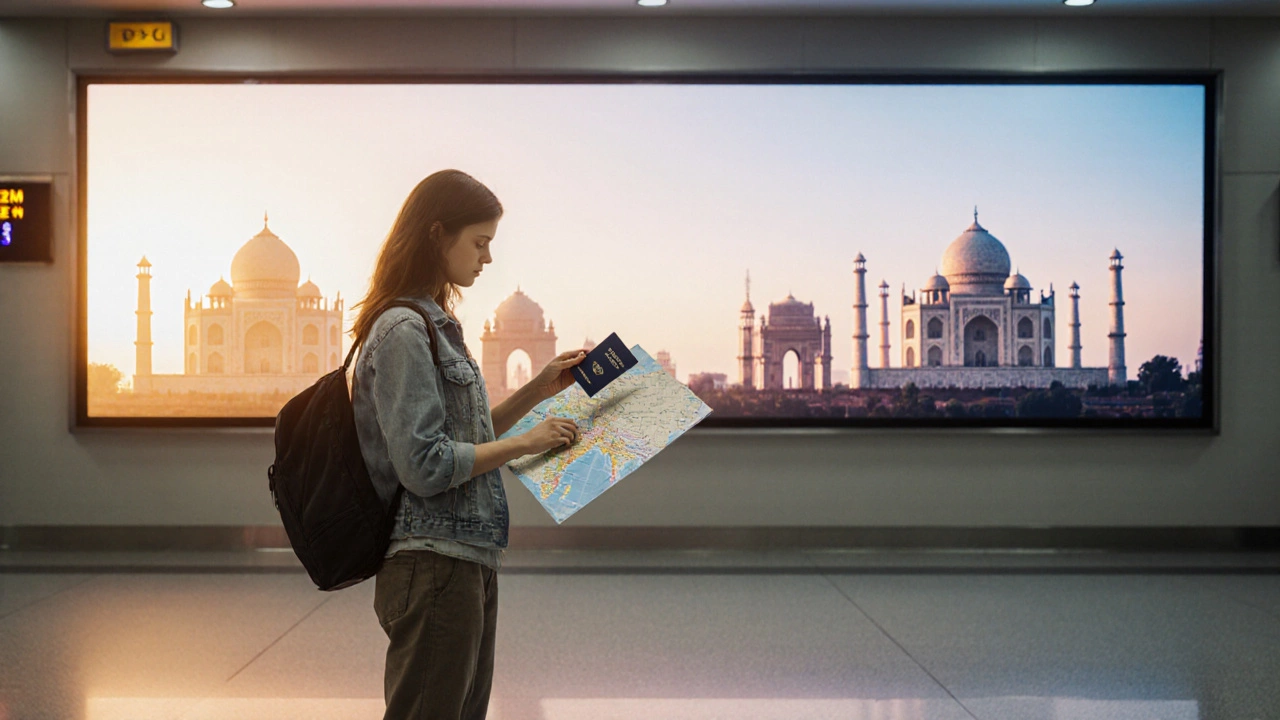
US Travel Safety to India 2025: What You Need to Know
Find the latest safety guidance for US citizens traveling to India in 2025, including health alerts, crime tips, travel advisories, and a practical safety checklist.