Hiking Layers: What to Wear for India’s Mountains and Trails
When you’re climbing hiking layers, a system of clothing designed to manage body heat, moisture, and weather exposure. Also known as layering system, it’s not about wearing more clothes—it’s about wearing the right ones in the right order. In India, where treks range from the icy winds of Kailash Mansarovar to the humid rainforests of the Western Ghats, getting this right can mean the difference between a great day and a miserable one.
Most people think a thick jacket is enough for cold hikes, but that’s like trying to stay dry with one umbrella in a downpour. Base layer, the first layer worn next to the skin, designed to wick sweat away is your silent hero. Skip cotton—it holds moisture and turns you into a cold, clammy mess. Instead, grab a merino wool or synthetic top. It pulls sweat off your skin and dries fast, even when you’re sweating uphill in the Himalayas. Then comes the insulating layer, the middle layer that traps warmth, usually fleece or down. This is where you add bulk without bulkiness. A lightweight down vest or fleece jacket works wonders in Manali or Gangotri, keeping you warm without restricting movement. Finally, the outer shell, the protective layer that blocks wind, rain, and snow. It doesn’t need to be expensive, but it must be waterproof and breathable. A good shell lets sweat escape while keeping monsoon rain out—something you’ll thank yourself for on a soggy trail near Coorg or Nagaland.
India’s weather doesn’t wait for you. One morning you’re sweating in 25°C heat near Kuari Pass, and by noon, clouds roll in and the temperature drops 15 degrees. That’s why you carry your layers, not just wear them. A packable down jacket, a quick-dry shirt, and a lightweight rain cover fit in a small side pocket. You’ll see experienced trekkers adding and removing layers like a routine—no one wants to stop halfway up a ridge because they’re soaked or shivering. And don’t forget your hands and head. A simple wool beanie and gloves can save your hike when the wind picks up at 4,000 meters. The best hikers aren’t the ones with the fanciest gear—they’re the ones who know how to adapt.
What you wear matters more than the brand. You don’t need a $500 jacket if your base layer is cotton and your shell leaks. Focus on function, not fashion. And if you’re heading to a high-altitude trek like Roopkund or Nanda Devi, remember: wind chill is real. A 10°C day with a 30 km/h wind feels like -5°C. Your layers are your armor. This collection of posts covers everything from what to pack for beginner treks to how to handle sudden weather shifts in the Himalayas. You’ll find real advice from people who’ve been caught in snow, rain, and scorching sun—and lived to tell the tale. Let’s get you dressed for the trail, not just the photo.
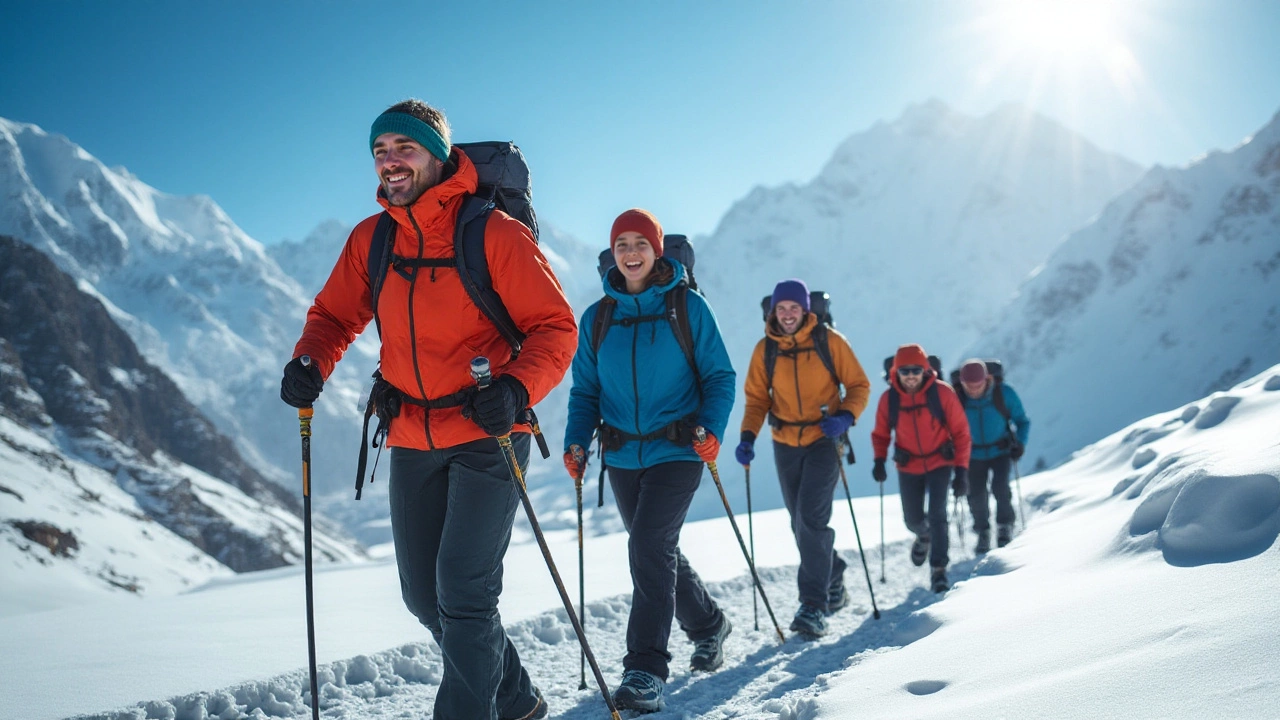
Mastering the 3 Layer Rule for Hiking in Indian Trails
Understanding the 3 Layer Rule for hiking is crucial for anyone exploring the varied terrains of India's trekking trails. This method involves wearing specific clothing layers to adapt to changing weather conditions, ensuring comfort and safety throughout the hike. Whether you're venturing through the Himalayas or walking past lush Western Ghats, knowing the art of layering can make all the difference. Discover practical tips, types of clothing, and how to choose the right layers for an unforgettable trekking experience.