Grand Himalayan Trail: Trekking Routes, Challenges, and Best Times to Go
The Grand Himalayan Trail, a continuous long-distance trek running from the western edge of Nepal through India’s Himalayas to the eastern border with Bhutan. Also known as GHT, it’s not just a path—it’s a journey through some of Earth’s most untouched high-altitude landscapes. This trail isn’t a single hike. It’s a network of routes that connect remote villages, sacred peaks, and ancient trade paths, offering something for everyone—from serious mountaineers to seasoned trekkers looking for solitude.
What makes the Grand Himalayan Trail stand out is how it ties together other major trekking names you’ve probably heard of. The Kailash Mansarovar trek, often called the hardest hike in India, overlaps with the GHT’s northern section. Meanwhile, the Kuari Pass, a favorite for beginners, sits near the trail’s western gateway in Uttarakhand. And if you’ve read about the Indrahar Pass or Nanda Devi Base Camp, you’re already familiar with parts of the same mountain system the GHT weaves through. These aren’t random side trips—they’re chapters in the same story.
The trail isn’t for everyone. At its highest points, you’re above 5,000 meters, where oxygen is thin and weather shifts in minutes. You’ll cross glacial rivers on rope bridges, sleep in stone huts with no heating, and walk for days without seeing another soul. But that’s also why it’s so powerful. Unlike crowded treks like the Everest Base Camp route, the GHT rewards patience and preparation. The best months to go are April to June and September to November—when skies are clear, trails are dry, and the snow hasn’t returned. Avoid monsoon season—it turns paths into mudslides and blocks high passes.
If you’re planning to tackle even a section of the Grand Himalayan Trail, you’ll need more than good boots. You need to understand altitude sickness, carry a satellite communicator, and know how to read a topographic map. But you don’t need to do the whole thing. Most travelers pick a 7- to 14-day segment—like the one from Kinnaur to Spiti, or from Gangotri to Kedarnath. These sections give you the real feel: the silence of the high ridges, the smell of juniper smoke in village kitchens, the way the sun hits the snow at dawn. The trail doesn’t just show you mountains. It shows you how people live in them.
What you’ll find below are real stories from people who’ve walked parts of this trail—tips on where to start, what gear actually works, how to find local guides, and which sections to avoid if you’re not ready for extreme altitude. Whether you’re dreaming of the next big trek or just curious about what lies beyond the popular tourist spots, these posts give you the unfiltered truth about hiking the Grand Himalayan Trail.
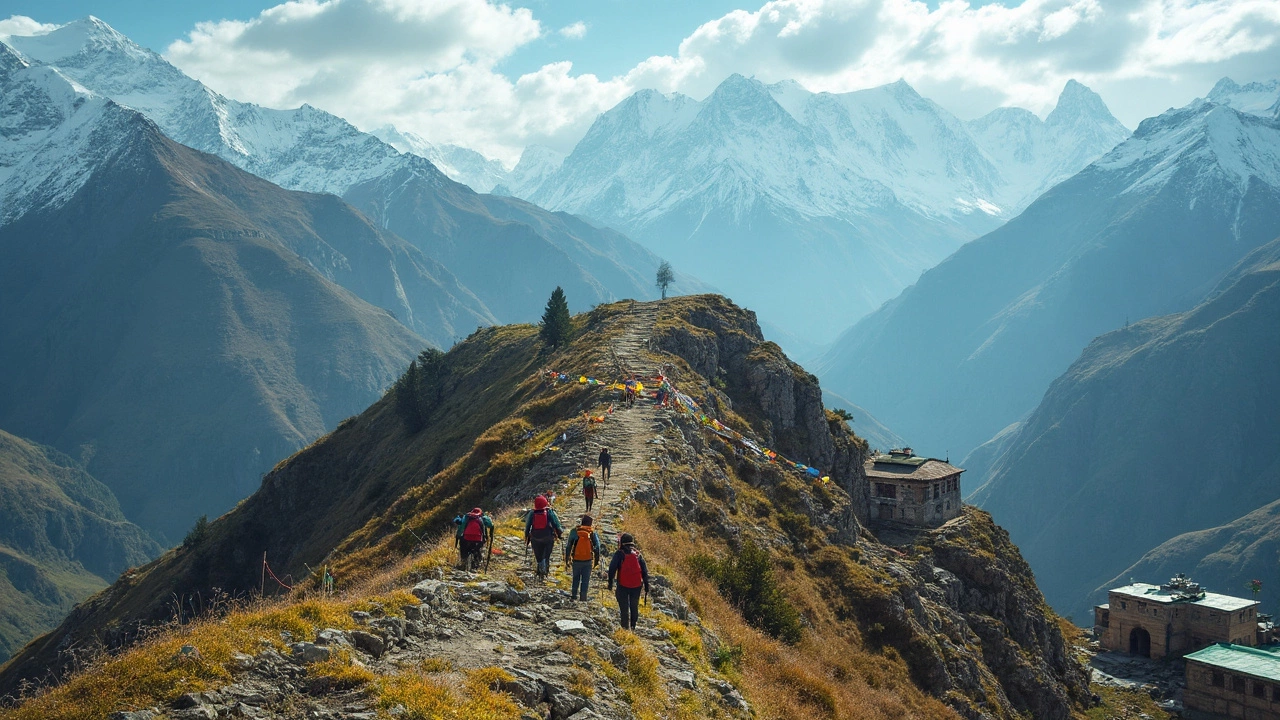
Longest Walking Trail in India: The Grand Himalayan Traverse
Looking for the ultimate trekking challenge in India? The Grand Himalayan Trail, stretching across the length of the country’s mighty Himalayan range, is the longest walking trail you can find here. This article breaks down what makes it legendary, how trekkers tackle it, the diverse regions it crosses, and essential tips for anyone dreaming of long-distance hiking. Expect practical insights and a few surprising facts for both newbies and veteran hikers. Get ready to discover a trail that’ll change your list of must-do adventures.