Wildlife and Nature: Protecting Animals, Preserving Habitats, and Traveling Responsibly
When we talk about wildlife and nature, the living ecosystems and wild species that exist beyond cities and farms. Also known as wild nature, it includes everything from tigers in the jungles of India to birds migrating across wetlands—each playing a role in keeping the planet alive. But here’s the thing: nature isn’t just scenery. It’s a network. Animals depend on forests, forests depend on clean water, and clean water depends on people making smart choices. That’s why wildlife sanctuaries, protected areas designed to give animals space to live without hunting or habitat loss matter so much. They’re not just fenced-off parks—they’re lifelines for endangered species like the Bengal tiger and the Indian rhino.
But not all sanctuaries are created equal. Some are well-funded, staffed by experts, and run with science-backed rules. Others? They’re more about photos for tourists than real protection. That’s why questions like animal welfare, how animals are treated in captivity or protected areas and conservation, the long-term effort to protect species and their environments can’t be ignored. Is a sanctuary really helping, or is it just a front? Are eco-resorts truly green, or are they just painting their walls green and calling it sustainable? These aren’t just buzzwords—they’re real issues affecting whether a tiger survives another decade.
And then there’s you. Your trip to India isn’t just about seeing elephants or snapping photos of leopards. It’s about what you support. Choosing a lodge that hires local guides, avoids single-use plastic, and doesn’t offer animal selfies? That’s conservation in action. Skipping a place that lets you ride elephants or hold tiger cubs? That’s ethical travel. The wildlife and nature you come to experience can’t survive if every visitor thinks they’re helping just by showing up. Real impact comes from knowing the difference between a sanctuary that protects and one that profits.
Below, you’ll find honest takes on what’s really going on behind the scenes—whether it’s the hidden risks in sanctuaries, the myths around eco-resorts, or the tough questions we need to ask before we pay to see an animal in the wild. No fluff. No sugarcoating. Just what you need to know to travel with purpose.

Eco Tourist Resort: What Makes an Eco-Friendly Resort Truly Sustainable?
Uncover what really makes an eco tourist resort sustainable, how they protect nature, and clever tips for travelers seeking real green escapes—beyond the buzzwords.

Are Animals Really Safe in Wildlife Sanctuaries?
Wildlife sanctuaries are often seen as safe havens for animals, but are they truly secure? These protected areas aim to provide a refuge for various species, offering them a chance to thrive away from human threats. However, challenges like poaching, habitat destruction, and limited resources question their effectiveness. This article explores whether sanctuaries genuinely protect animals or if there are underlying risks that need addressing.

Understanding the Purpose of Wildlife Sanctuaries
Wildlife sanctuaries play a crucial role in protecting animals and their habitats. These safe havens provide shelter and care for endangered species and help raise awareness about conservation. Sanctuaries also support research and education while promoting sustainable tourism. They are vital for preserving biodiversity in our increasingly urbanized world.
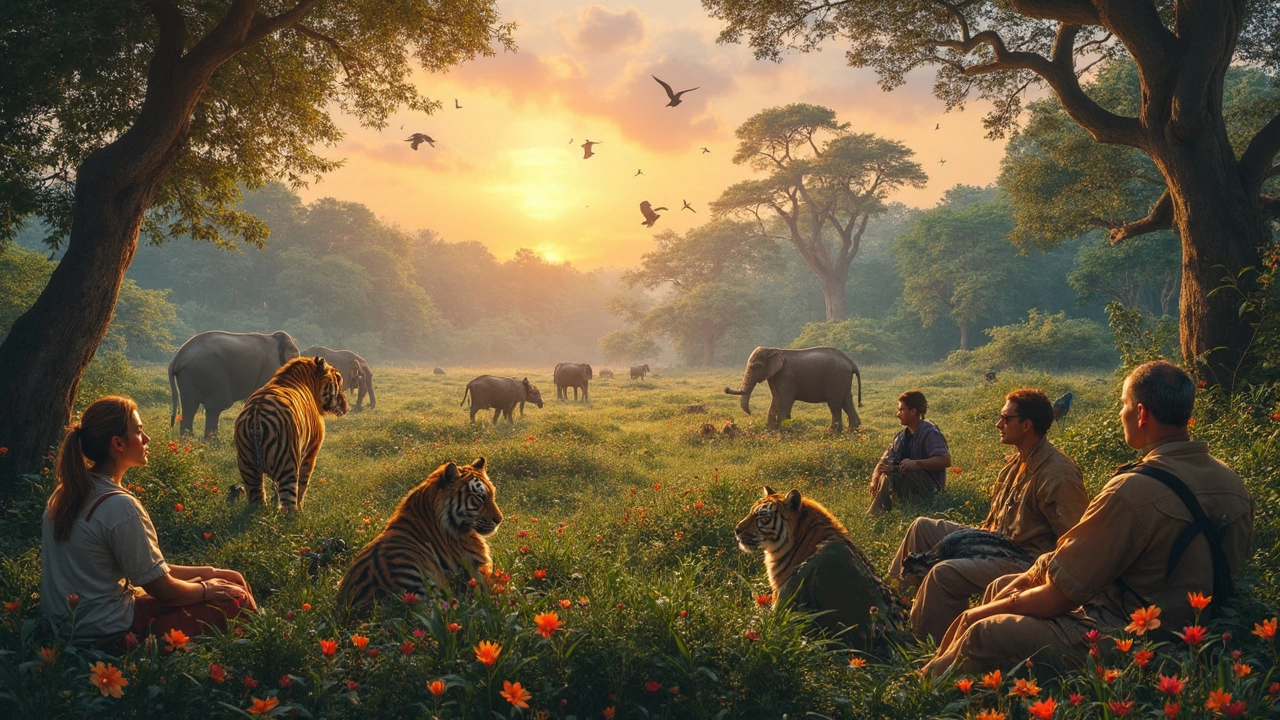
Are Wildlife Sanctuaries Truly Ethical?
Wildlife sanctuaries are often seen as havens for animals, but are they always ethical? This article explores the complexities around their impact on conservation and animal welfare. It delves into the pros and cons of sanctuaries, considering factors like natural habitats and captive environments. Learn about the ethical dilemmas these refuges face and what questions to ask to determine their true intentions. Ultimately, we examine whether sanctuaries strike a fair balance between human interests and animal well-being.