What is the Safest Adventure Sport in India? A Realistic Guide
Adventure Sport Safety & Suitability Tool
Risk Analysis
Based on the selected activity.
Select a sport above to see its risk profile.
Your Pre-Adventure Safety Checklist
Verify these points before booking any activity.
Final Verdict
Complete the checklist to get a recommendation.
Here is the hard truth about adventure sports: there is no such thing as a completely safe activity. Every time you leave the ground, enter the water, or climb a rock face, you are accepting a baseline level of risk. However, if you are looking for the safest adventure sport to try in India, the answer isn't skydiving or white-water rafting. It’s likely something much closer to the ground and under your own control.
When we talk about safety, we aren't just talking about avoiding death; we are talking about avoiding injury, panic, and regret. The "safest" option depends entirely on what kind of adrenaline you want. Do you want the thrill of height? The rush of speed? Or the mental challenge of navigating terrain? By matching the activity to your comfort zone and choosing the right location, you can drastically reduce danger while keeping the excitement high.
In this guide, we will break down the risk levels of popular Indian adventure activities, explain why some are safer than others, and give you a practical checklist to ensure your next trip remains an adventure rather than an emergency. We'll also look at how professional standards vary across different regions, because where you go matters just as much as what you do.
Redefining Safety: Risk vs. Reward
Before picking a sport, let's define what makes an activity "safe." In the world of adventure tourism, safety is rarely about the equipment alone. It is about predictability. Activities with high predictability-where you know exactly what will happen next-are statistically safer. Activities with low predictability, like weather-dependent cliff jumping or unpredictable river rapids, carry higher inherent risks.
Consider the difference between paragliding and bungee jumping. In paragliding, you have a pilot making decisions, a reserve parachute, and usually a calm launch site. You are passive. In bungee jumping, you are active in your fear, and the margin for error in harness placement or cord calculation is tiny. While both have excellent safety records when run by professionals, paragliding offers more control and fewer physical jolts to the body.
The safest adventure sports share three traits:
- Low physical impact: Minimal strain on joints and muscles.
- High redundancy: Backup systems (like reserve chutes or life jackets) that work automatically.
- Professional oversight: Trained guides who monitor conditions in real-time.
If an activity lacks these three, it moves from "adventure" to "extreme," and the safety profile drops significantly.
Top Contenders for the Safest Adventure Sports in India
India offers a massive variety of adventure options, from the Himalayas to the backwaters of Kerala. Here are the top contenders for the title of "safest," ranked by their risk-to-reward ratio.
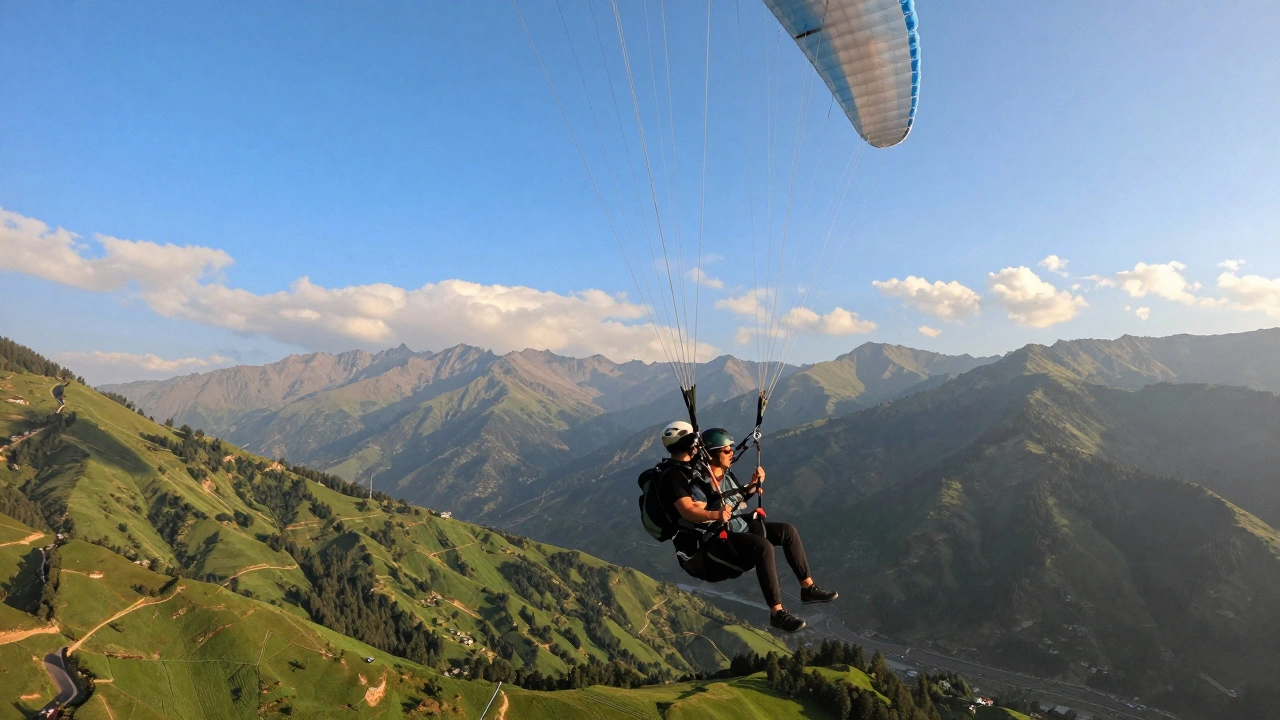
1. Paragliding in Bir Billing or Panchmarhi
Paragliding is often cited as one of the safest aerial sports in the world. In tandem flights, which are standard for tourists, you sit in a harness behind a certified instructor. You do not steer; they do. The glider has two independent lines, and most pilots carry a reserve parachute that deploys automatically if the main canopy fails.
Bir Billing in Himachal Pradesh is a global hub for paragliding. The thermal currents here are consistent, meaning less turbulence. Panchmarhi in Madhya Pradesh offers similar stability but at a lower altitude, which can feel less intimidating for beginners. The key to safety here is the operator. Reputable clubs follow strict weight limits and weather protocols. If it’s windy, they don’t fly. Period.
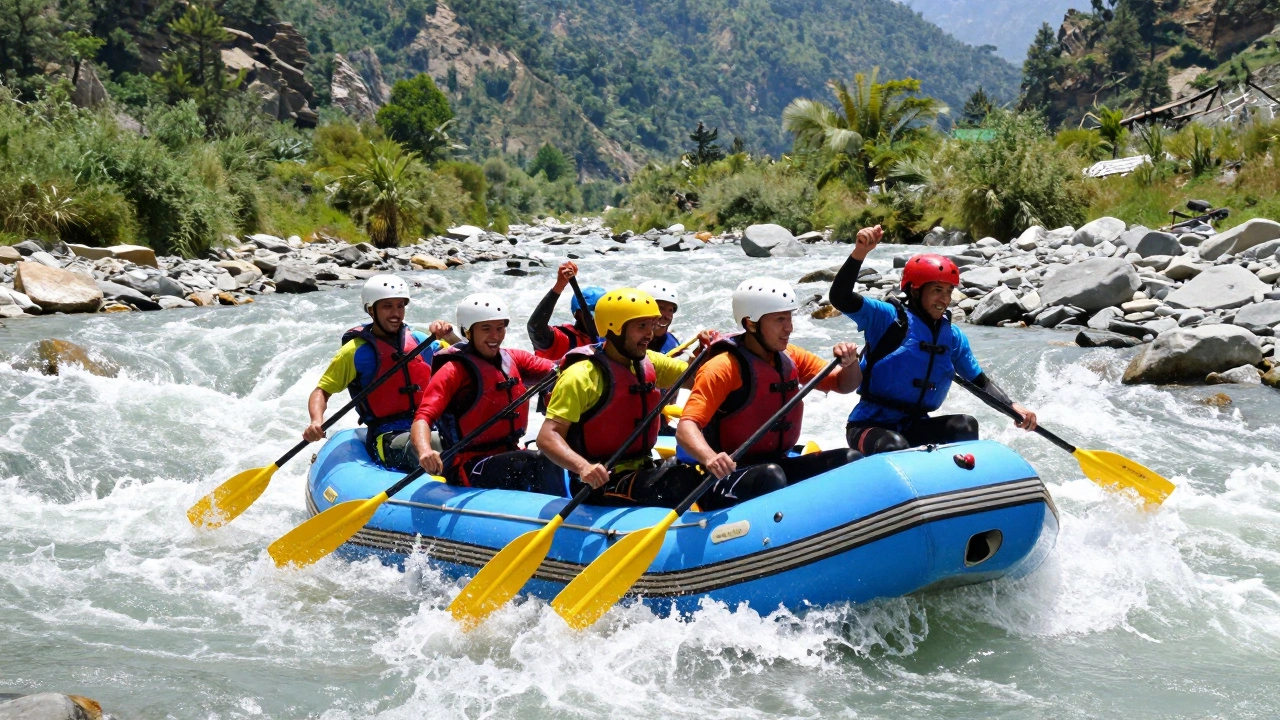
2. White-Water Rafting (Grade II-III)
Not all rafting is created equal. Rapids are graded from I to VI. Grade I is flat water; Grade VI is nearly impossible and deadly. For the safest experience, stick to Grade II and III rapids. These offer excitement and splashing without the violent flipping associated with higher grades.
The Zanskar River in Ladakh and the Beas River near Kullu-Manali offer sections perfect for this. The safety gear includes helmets, buoyancy aids (life jackets), and spray decks. The biggest risk in rafting isn't drowning; it's hypothermia or hitting a rock. Professional guides use specialized paddles to navigate around obstacles, keeping the boat stable. Always check if the company uses US Sailing Association-approved life jackets.
3. Trekking in Established Trails
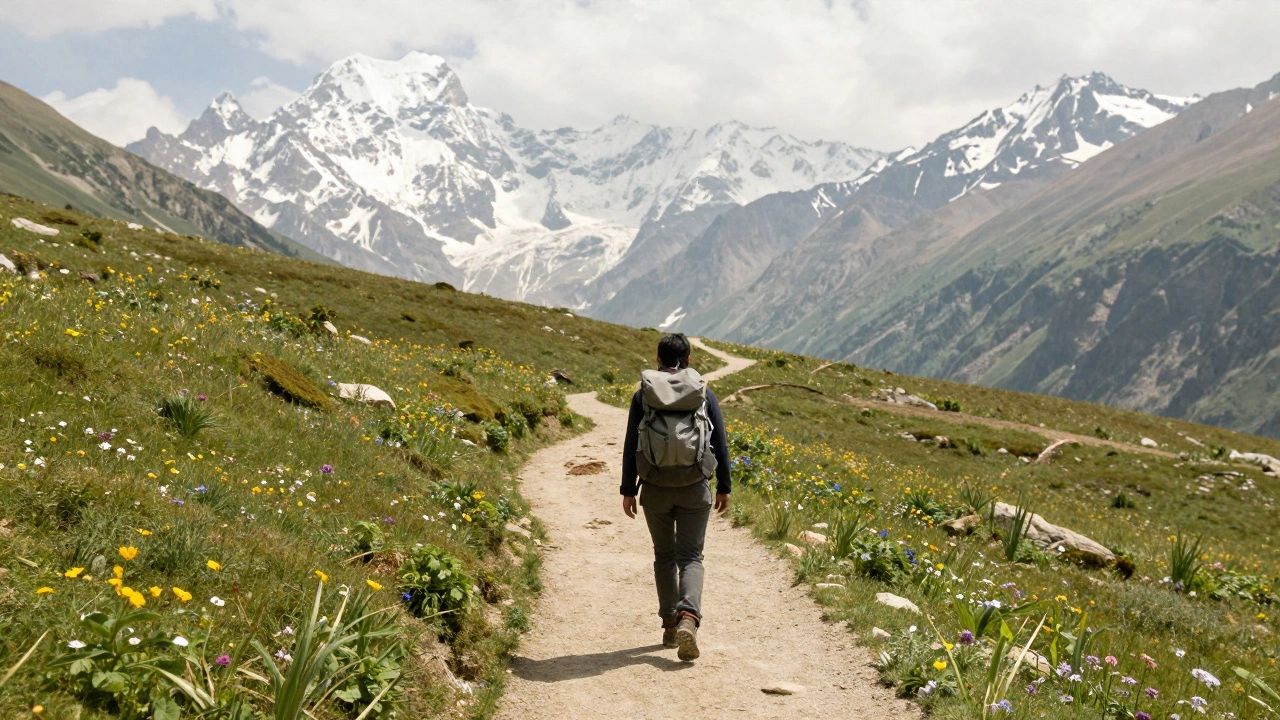
Trekking seems mundane, but it is arguably the safest way to experience nature intensely. Unlike skiing or mountaineering, trekking allows you to stop whenever you need to. The risk comes from altitude sickness, dehydration, or getting lost. This is why sticking to established trails like the Hampta Pass or the Valley of Flowers is crucial.
These trails have clear paths, marked campsites, and local support. You aren't fighting the mountain; you're walking through it. The physical exertion is manageable for most fit individuals, and the pace is self-determined. If you feel unwell, you turn back. There is no pressure to finish a course.
4. Scuba Diving in Andaman Islands
Scuba diving might sound dangerous, but it is heavily regulated. In the Andaman Islands, dive centers follow international standards set by organizations like PADI or SSI. Beginners take a Discover Scuba Diving course, which involves shallow dives (up to 12 meters) under direct supervision of an instructor.
You never dive alone. The buddy system ensures someone is always watching your air supply and mask. Equipment checks are mandatory before every descent. The main risks are ear barotrauma (pain from pressure changes) and nitrogen narcosis, but instructors teach you how to equalize and stay within safe depths. As long as you follow the briefing, the ocean is surprisingly gentle.
Why Location Matters More Than the Sport
You could argue that bungee jumping in Switzerland is safer than trekking in the remote Arunachal Pradesh wilderness. Context changes everything. In India, infrastructure varies wildly between states. A well-managed adventure park in Goa will have better emergency response times than a remote canyon in Rajasthan.
Look for operators in areas with medical facilities nearby. For example, Rishikesh has several hospitals equipped to handle trauma, making it a safer base for rafting and zip-lining compared to more isolated locations. Always ask: "Where is the nearest hospital?" If the answer is vague, choose a different provider.
Additionally, consider the season. Monsoon rains make rivers unpredictable and trails slippery. Winter cold increases the risk of frostbite during high-altitude activities. Timing your adventure to match the optimal weather window reduces external variables that can lead to accidents.
| Sport | Risk Level | Key Safety Factor | Best For |
|---|---|---|---|
| Paragliding | Low-Medium | Certified Instructor | First-timers, aerial views |
| Rafting (Gr II-III) | Low | Life Jacket Quality | Groups, families |
| Trekking | Very Low | Fitness & Hydration | Nature lovers, solo travelers |
| Scuba Diving | Low | Instructor Supervision | Curious explorers, underwater fans |
| Bungee Jumping | Medium-High | Harness Check | Adrenaline junkies |
The Hidden Risks: What Operators Don't Tell You
Most accidents happen not because the sport is inherently dangerous, but because of human error. Negligent operators cut corners to save money. They reuse worn-out ropes, skip pre-flight checks, or allow too many people in a single raft.
Always verify certifications. In India, look for affiliations with national bodies like the National Institute of Mountaineering and Allied Sports (NIMAS). If a company cannot produce valid insurance documents or certification logs, walk away. It’s not worth the risk.
Another hidden risk is overconfidence. Just because you survived one jump doesn't mean you’re ready for the next. Listen to your body. Fatigue leads to mistakes. Dehydration leads to poor judgment. Stay hydrated, rest adequately, and don't push beyond your limits to impress friends.
For those traveling internationally or seeking unique experiences outside traditional tourism circuits, verifying local contacts can be tricky. Some travelers find it useful to cross-reference local directories for verified profiles or services, such as checking resources like this directory to understand how verification works in other contexts, though for adventure sports, you should rely strictly on accredited tourism boards and certified operators.
Your Pre-Adventure Safety Checklist
Before you book any adventure activity, run through this checklist. It takes five minutes and could save your life.
- Check Reviews Recently: Look for reviews from the last six months. Old reviews don't reflect current staff or equipment quality.
- Ask About Emergency Protocols: Does the operator have a first-aid kit? Is there an ambulance on standby? How quickly can they reach a hospital?
- Inspect the Gear Yourself: Don't just trust the guide. Look for frayed ropes, cracked helmets, or torn life jackets. If it looks old, ask for new gear.
- Verify Weather Conditions: If it’s raining, windy, or unusually hot, postpone. No legitimate operator will force you into bad conditions.
- Get Travel Insurance: Ensure your policy covers adventure sports. Standard travel insurance often excludes activities like paragliding or scuba diving.
Conclusion: Choose Wisely, Play Hard
The safest adventure sport is the one that matches your skill level and is operated by professionals who prioritize safety over profit. Paragliding, low-grade rafting, trekking, and scuba diving offer incredible thrills with minimal risk when done correctly. Remember, adventure is about expanding your horizons, not testing your mortality. Do your research, respect the environment, and enjoy the ride.
Is paragliding safe for beginners in India?
Yes, tandem paragliding is very safe for beginners. You fly with a certified instructor who controls the glider. Sites like Bir Billing and Panchmarhi have strict safety protocols and experienced pilots. Always choose operators affiliated with recognized aviation bodies.
What is the minimum age for adventure sports in India?
Most adventure sports require participants to be at least 12-14 years old. Paragliding and rafting often have a minimum age of 12, while bungee jumping may require you to be 16 or older. Weight restrictions also apply, so check with the operator beforehand.
Can pregnant women participate in adventure sports?
No, pregnant women should avoid all adventure sports. The risk of falls, impacts, or stress is too high. Even seemingly mild activities like trekking at high altitudes can be dangerous due to reduced oxygen levels. Consult your doctor before planning any physical activity during pregnancy.
How do I know if an adventure operator is legitimate?
Look for certifications from NIMAS or international bodies like PADI (for diving). Check online reviews on multiple platforms. Legitimate operators will willingly show their insurance papers and safety certificates. If they hesitate, choose someone else.
Is white-water rafting dangerous in monsoon season?
Yes, it is significantly more dangerous. Monsoon rains increase water flow and debris, making rapids unpredictable and harder to navigate. Most reputable operators suspend rafting during peak monsoon months (July-August) for safety reasons. Wait for the post-monsoon season for calmer waters.

About Author

Popular Posts