World Heritage Sites in India: Discover the Crown Jewels of Its Culture and History
When you think of World Heritage Sites, places recognized by UNESCO for their outstanding cultural or natural value to humanity. Also known as UNESCO World Heritage Sites, they’re not just tourist spots—they’re the living archives of human civilization. India holds 40 of them, more than any country in South Asia, and each one tells a different part of the story. These aren’t frozen relics behind ropes; they’re places where prayers still echo in temple courtyards, where artisans carve stone the same way their ancestors did 1,500 years ago, and where travelers still walk the same paths as Mughal emperors and British officers.
What makes these sites special isn’t just their age—it’s how deeply they’re woven into daily life. The Ajanta Caves, India’s oldest UNESCO World Heritage Site, carved into cliffs between 2nd century BCE and 6th century CE still draw pilgrims and artists who come to study the murals that glow in candlelight. The Tirumala Venkateswara Temple, the most visited temple in the world, welcoming over 50 million pilgrims each year isn’t listed as a World Heritage Site, but it shares the same spiritual weight as those that are. And then there’s the Khajuraho Group of Monuments, famous for their intricate erotic sculptures that celebrate life, not just lust—a place where devotion and artistry collided in ways no textbook can fully explain.
These sites aren’t just about stone and mortar. They’re about people—the weavers of Banarasi silk who still use looms unchanged since the 17th century, the temple priests in Varanasi who chant the same mantras as their grandfathers, the farmers in the backwaters of Kerala who maintain ancient irrigation systems that predate the Roman Empire. When you visit a World Heritage Site in India, you’re not just seeing history—you’re stepping into a rhythm that never stopped.
Some of these places are crowded, yes—but others, like the Great Himalayan National Park or the Rock Shelters of Bhimbetka, feel untouched by time. You’ll find trekkers heading to Kuari Pass, food lovers eating tandoori chicken in Agra, and travelers asking how to dress before entering a temple—all connected by the same thread: India’s heritage isn’t something you observe from afar. It’s something you walk through, smell, hear, and sometimes, touch.
Below, you’ll find real stories from people who’ve been there—not just the postcards, but the quiet moments between the crowds. Whether you’re planning your first trip or looking to understand what makes these places truly unforgettable, the posts here will show you the India that lives beyond the guidebooks.
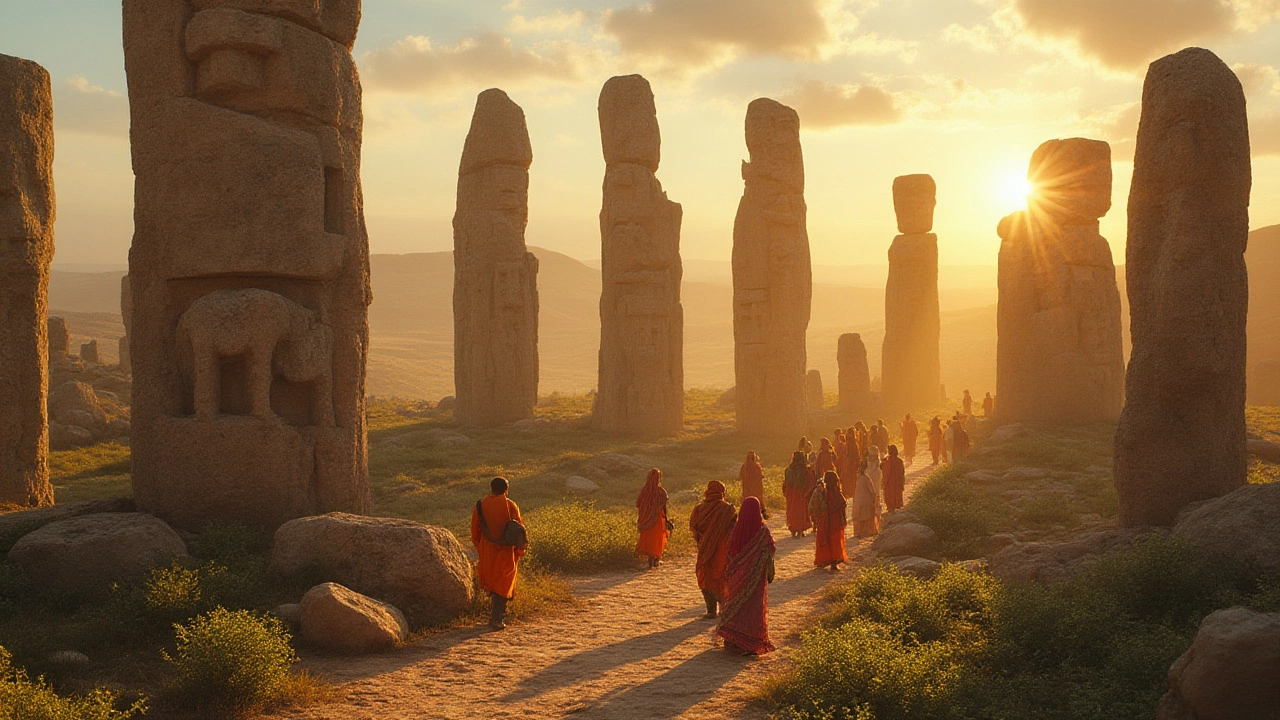
Oldest UNESCO Heritage Site in the World: Discover Göbekli Tepe and Humanity's Origins
Uncover the secrets of the world's oldest UNESCO heritage site, Göbekli Tepe. Learn its history, facts, and why it changes what we know about civilization.