Wedding Traditions in India: Rituals, Regions, and Real Stories
When you think of wedding traditions, the vibrant, multi-day ceremonies that blend ancient rituals with family emotion across India's diverse communities. Also known as Indian marriage customs, these events are less about grandeur and more about meaning—each step passed down through generations, each color chosen for its spiritual weight. There’s no single Indian wedding. What happens in a Tamil temple courtyard is completely different from what unfolds in a Punjabi courtyard with fire and folk songs. In Kerala, the bride walks under a decorated canopy called a manavarai, while in Rajasthan, the groom arrives on a horse, covered in gold thread and singing songs that have been sung for centuries. These aren’t performances. They’re living rituals.
Every region has its own Hindu wedding rituals, the core ceremonies rooted in Vedic texts but adapted locally over thousands of years. The haldi ceremony isn’t just turmeric paste—it’s a blessing for purity and protection. The pheras around the sacred fire? That’s not a walk. That’s a vow made seven times, each circle representing a different promise: nourishment, strength, wealth, wisdom, progeny, health, and lifelong friendship. In the North, the saptapadi is loud and joyful. In the South, it’s quiet, with priests whispering mantras as the couple walks barefoot on rice. And then there’s the regional wedding practices, the local variations that make each state’s celebration distinct—from the silk-wrapped bridal sari of Bengal to the silver anklets of Gujarat that chime with every step. These aren’t decorations. They’re identity.
It’s not just about what’s worn or what’s eaten. It’s about who’s involved. In many families, the maternal uncle plays a key role in the ceremony. In others, the bride’s grandmother ties the knot. Even the food tells a story: in Maharashtra, the groom’s family brings sweet rice; in Punjab, it’s gur and roti. These aren’t random choices. They’re coded messages—about family roles, economic ties, and spiritual protection. And while modern couples might skip a step or two, the heart of it remains: weddings in India aren’t just unions of two people. They’re threads pulled tight between families, villages, and centuries of belief.
What you’ll find below are real stories from real weddings—across temples, deserts, backwaters, and hillside courtyards. No glossy magazines. No staged photos. Just the raw, beautiful, chaotic truth of how India says ‘I do.’
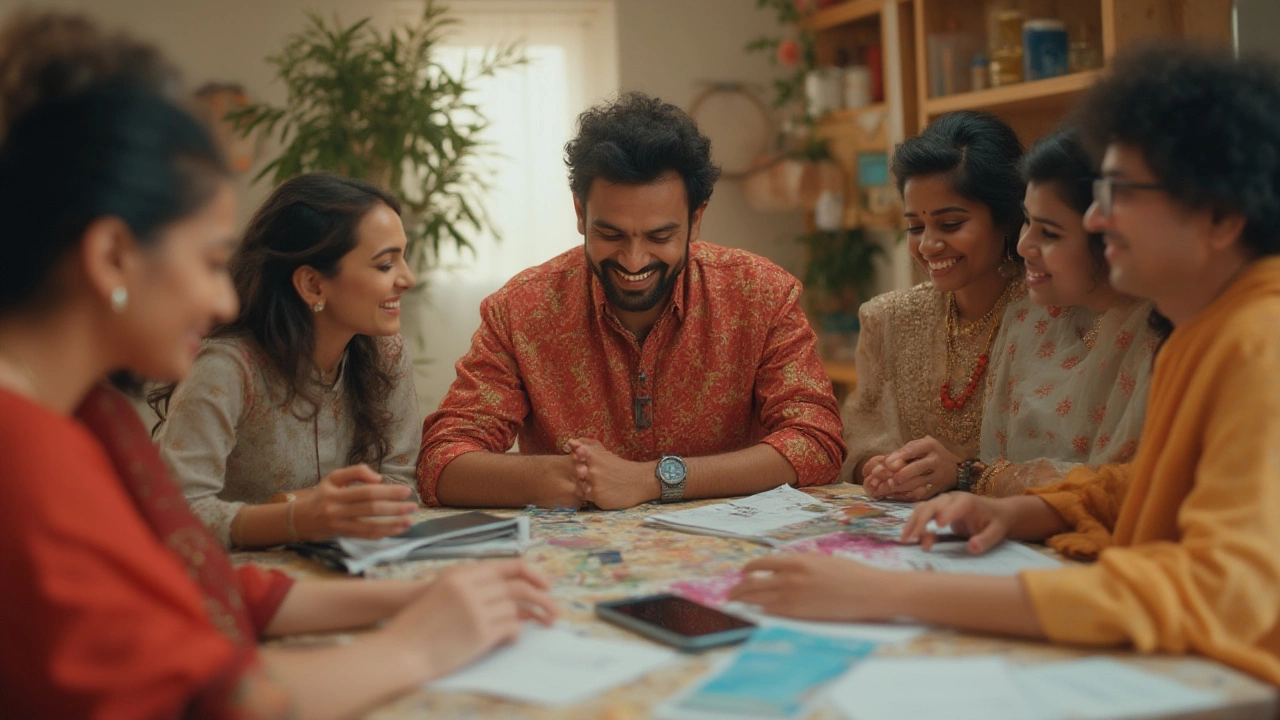
Who Pays for the Honeymoon? Modern Rules & Surprising Trends
Uncover who really pays for the honeymoon these days. We break down traditions, new trends, budgeting tips, and ways to make your dream trip happen.
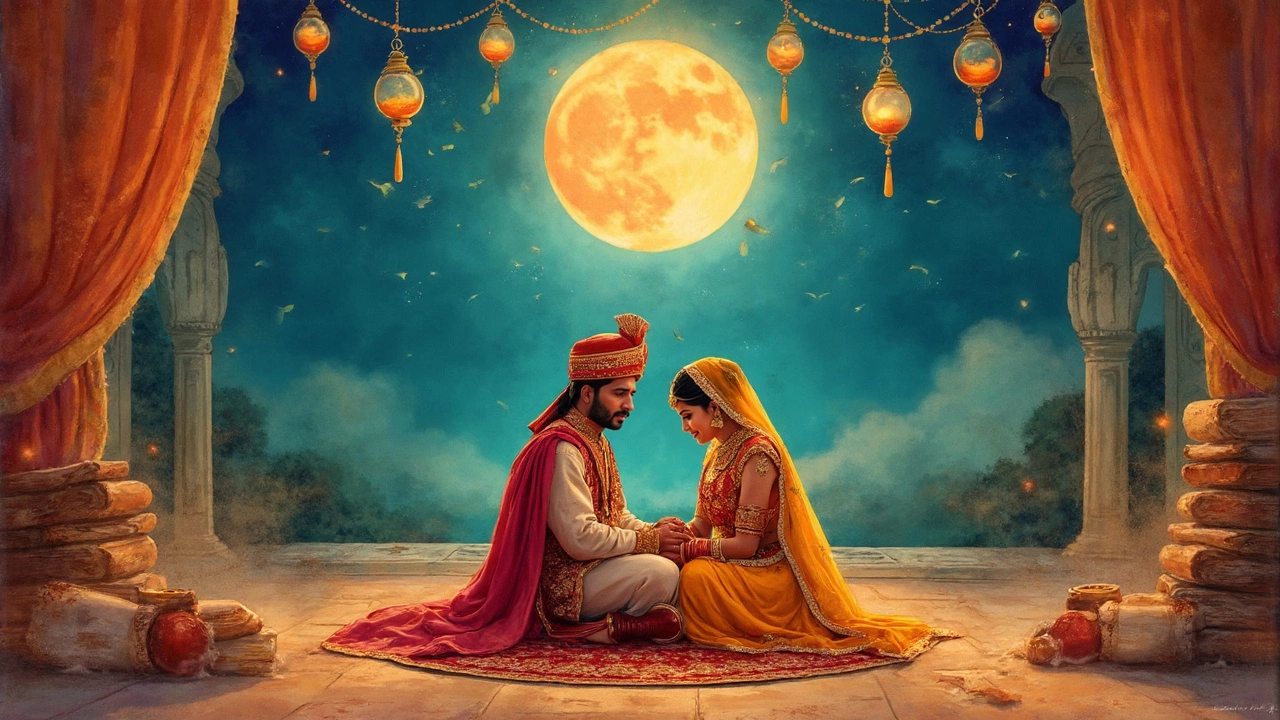
Why Is It Called a Honeymoon? The Surprising Story Behind the Name
Ever wondered why your post-wedding escape is called a honeymoon? This article dives into the real history behind the term, busts some common myths, and explains how the tradition evolved. You’ll get a mix of quirky facts, travel tips, and fresh ways to celebrate your own honeymoon. Whether you're planning a trip or just curious, this read connects history and today’s best destinations. Get ready for a whole new take on the honeymoon story.