Vacation Tips for India: Smart Ways to Travel, Save, and Experience More
Planning a trip to India? vacation tips, practical advice that helps travelers avoid pitfalls and unlock authentic experiences. Also known as India travel advice, these tips aren’t about luxury hotels or Instagram spots—they’re about knowing when to take the train, where to eat safely, and how to respect local customs without feeling lost. India isn’t a one-size-fits-all destination. What works in Goa won’t help you in the Himalayas, and what feels safe in Delhi might raise eyebrows in a remote temple town. The best vacation tips come from people who’ve been there, made the mistakes, and figured it out.
One of the biggest mistakes travelers make is assuming India is either all chaos or all spirituality. It’s both—and more. You’ll need budget travel India, how to stretch your dollars without sacrificing safety or experience if you’re flying in from the U.S. or Europe. A dollar buys a lot here—two dosas, a rickshaw ride across town, or a night in a clean guesthouse—but only if you know where to look. Skip the tourist traps near major landmarks. Instead, follow the locals to busy street stalls with high turnover. That’s where the food is safe, cheap, and delicious.
Then there’s safe travel India, understanding where to go, what to avoid, and how to move confidently as a solo traveler or family. North India, especially cities like Jaipur, Agra, and Rishikesh, has well-worn tourist paths, good infrastructure, and English-speaking guides. South India is quieter, slower, and just as safe if you stick to the main routes. Avoid remote areas without reliable transport or communication. Always carry a local SIM card. And yes, you can drink the water—if you buy bottled or boiled. Tap water? Skip it.
Cultural respect isn’t optional—it’s part of the experience. Before entering any temple, remove your shoes. Cover your shoulders and knees. Don’t point your feet at idols. These aren’t rules for tourists—they’re signs of respect. And if you’re unsure? Watch what locals do. They’ll show you faster than any guidebook.
Timing matters too. The best months to visit? October to March. Cool, dry, and perfect for trekking in the hills or wandering through ancient temples. Avoid monsoon season unless you’re specifically chasing waterfalls in Kerala. And if you’re on a budget, mid-week travel means cheaper trains and fewer crowds at popular sites.
You don’t need to climb Kailash Mansarovar to have an adventure. A simple sunrise walk along the Ganges in Varanasi, a quiet boat ride through Kerala’s backwaters, or a morning hike to Kuari Pass can change how you see the world. India rewards patience. It doesn’t shout. It whispers—in temple bells, in chai stalls, in the way a stranger offers you a bite of their snack because you looked curious.
Below, you’ll find real stories from travelers who’ve done it right—how to dress on luxury trains, what Americans can actually eat without getting sick, which beaches are worth flying into, and why the most visited temple in India isn’t the one you think it is. These aren’t generic lists. They’re hard-won lessons. Take what works. Leave the rest.
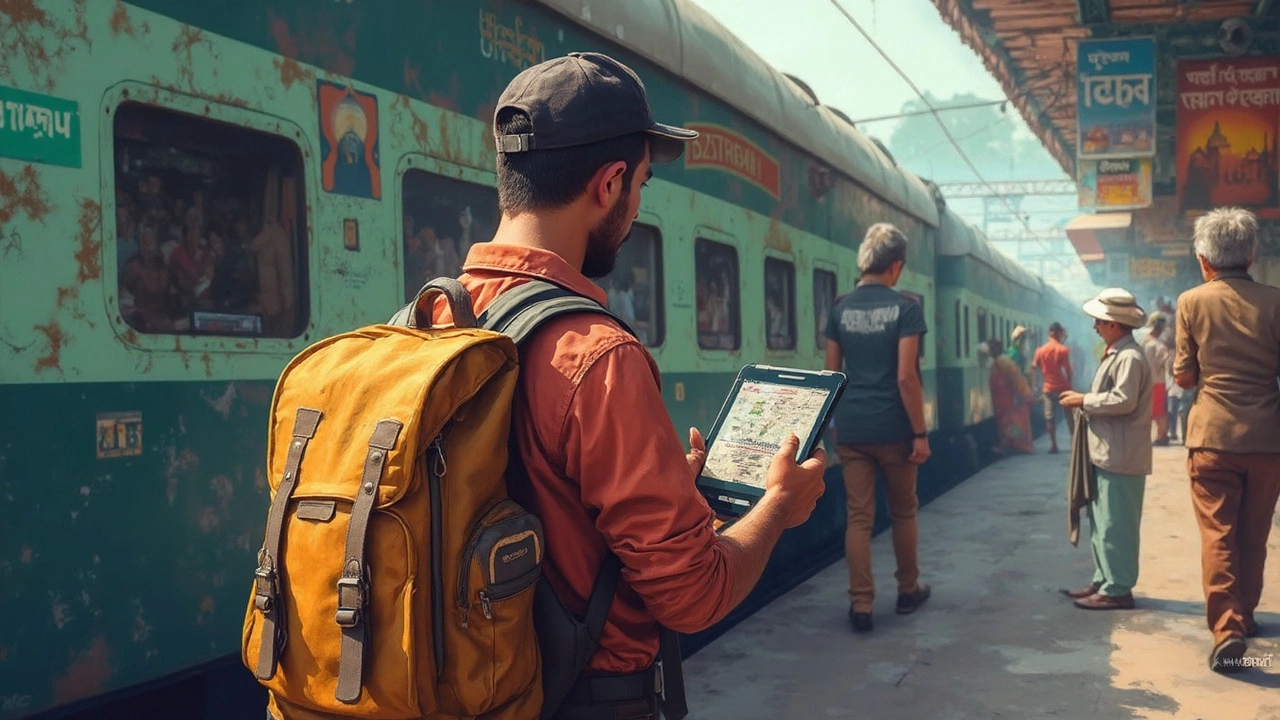
Minimum Vacation Days in India Explained
Planning a trip to India on a budget? Knowing the country's minimum vacation days can significantly impact your adventure. Here, we explore the basic legal rights for vacation time in India and practical tips for making the most out of a budget trip. From understanding the labor laws to maximizing your travel experience, this guide aims to equip you with essential knowledge. Whether you're an employee seeking time off or a traveler figuring things out, we've got the information you need.