UNESCO Heritage India: Where History Still Breathes
When you think of UNESCO Heritage India, India’s officially recognized cultural and natural sites protected by the United Nations for their global significance. Also known as World Heritage Sites India, these places aren’t just tourist stops—they’re living chapters of human history, from 2,000-year-old rock carvings to temples that still draw millions of pilgrims every year. India has over 40 of these sites, more than any country in South Asia, and each one tells a different story—about faith, art, empire, and everyday life.
Some of the most powerful ones include the Ajanta Caves, a series of ancient Buddhist rock-cut temples in Maharashtra with paintings that survived over 1,500 years, and the Khajuraho temples, famous for their intricate erotic sculptures and architectural harmony in Madhya Pradesh. Then there’s the Taj Mahal, a marble mausoleum built by a grieving emperor that draws nearly 8 million visitors annually. These aren’t museum pieces. People still pray in the Golden Temple in Amritsar, chant mantras at Varanasi’s ghats, and leave offerings at the Meenakshi Temple in Madurai—all UNESCO-listed spots where tradition hasn’t faded, it’s thriving.
What makes these sites special isn’t just their age or beauty—it’s how they connect to real people. The Hampi ruins, the remains of a 14th-century Vijayanagara empire capital in Karnataka, still echo with the footsteps of pilgrims and vendors who sell snacks under the same stone arches used by kings. The Great Himalayan National Park, a protected wilderness in Himachal Pradesh home to snow leopards and rare birds, isn’t just a nature reserve—it’s a lifeline for local communities who depend on its forests. These places aren’t frozen in time. They’re shaped by the people who live near them, visit them, and fight to protect them.
You’ll find that many of the posts below dive into these exact spots—not as distant relics, but as places you can walk through, feel, and understand. Whether you’re planning a quiet morning at the Ajanta Caves, wondering which temple to visit first in South India, or curious about how to travel responsibly to these crowded sites, the stories here give you the real picture. No fluff. No brochures. Just what you need to know before you go.
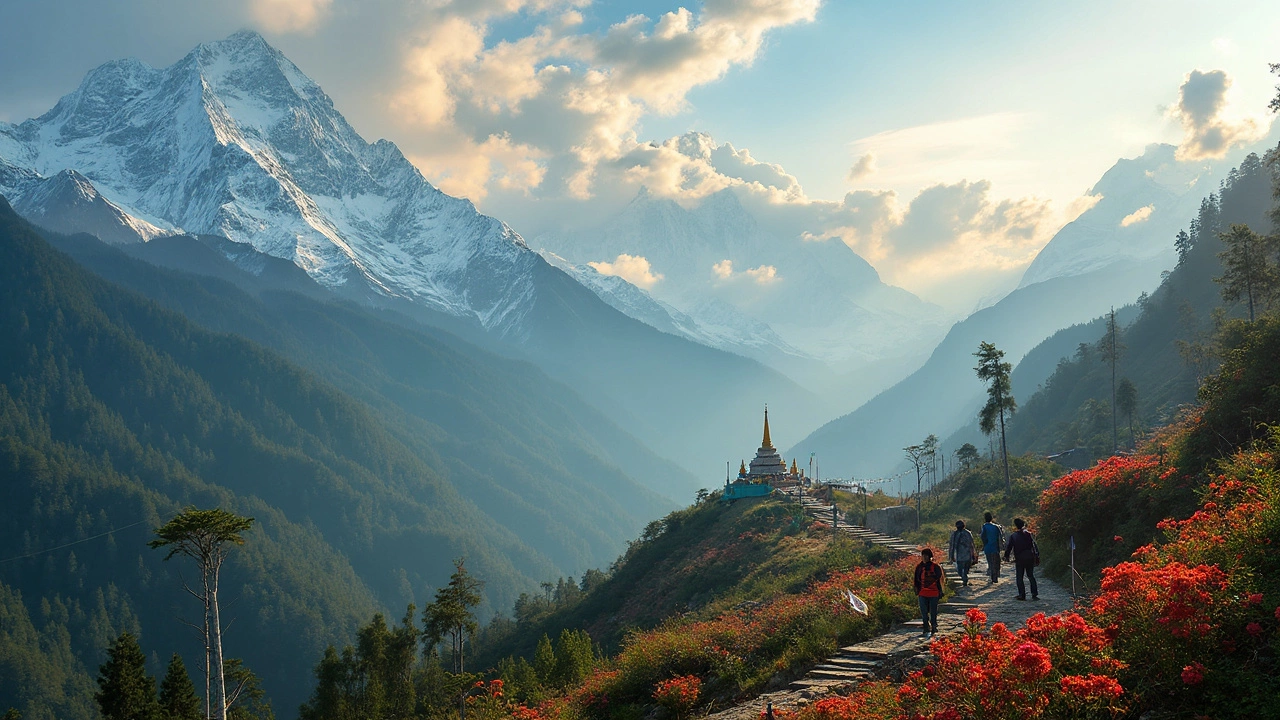
Mixed World Heritage Sites in India: Which Place Holds This Unique Status?
India has only one site recognized as a 'mixed' World Heritage Site by UNESCO, combining both natural beauty and rich cultural significance. This article dives into what makes a World Heritage Site 'mixed,' and shines a light on Khangchendzonga National Park in Sikkim. Expect practical tips for visiting, cool facts most people miss, and a look at why no other site in India has pulled off this rare double honour. Get ready to see how nature, folklore, and local communities all share the spotlight in this Himalayan wonder.