UNESCO Heritage Sites in India: What Makes Them Special
When you think of UNESCO, a United Nations body that identifies and protects places of outstanding cultural or natural value. Also known as World Heritage Sites, these locations are chosen not just for their beauty, but for the stories they hold—stories of faith, art, and survival that shaped entire civilizations. India has 40 of them, more than any country in South Asia, and each one tells a different part of the country’s soul.
These aren’t just old buildings frozen in time. The Ajanta Caves, a series of 30 rock-cut Buddhist monuments carved between the 2nd century BCE and 480 CE still whisper with the colors of frescoes painted over 1,500 years ago. The Taj Mahal, a marble mausoleum built by a grieving emperor for his wife draws millions not because it’s pretty, but because it’s a monument to love that defied time. And then there’s the Sundarbans, the world’s largest mangrove forest and home to the elusive Royal Bengal tiger—a living ecosystem that’s as fragile as it is powerful. These sites aren’t just listed because they’re old. They’re protected because they still matter.
What connects these places isn’t just history—it’s how people still live around them. In Varanasi, pilgrims bathe in the Ganges just steps from ancient ghats that UNESCO recognized as part of India’s spiritual landscape. In Khajuraho, locals still hold festivals under the same erotic carvings that puzzled foreign travelers for centuries. These aren’t museum pieces. They’re living parts of daily life, shaped by devotion, tradition, and resilience. Whether you’re standing in the shadow of a 12th-century temple in Madurai or hiking through the cliffs of the Western Ghats, you’re walking where culture didn’t just survive—it thrived.
That’s why the posts below aren’t just travel tips. They’re real glimpses into what makes these sites more than just photo stops. You’ll find deep dives into India’s oldest UNESCO site, why certain temples are sacred beyond tourism, and how to visit these places without turning them into crowds of strangers. No fluff. Just what you need to understand—and respect—what these places truly are.
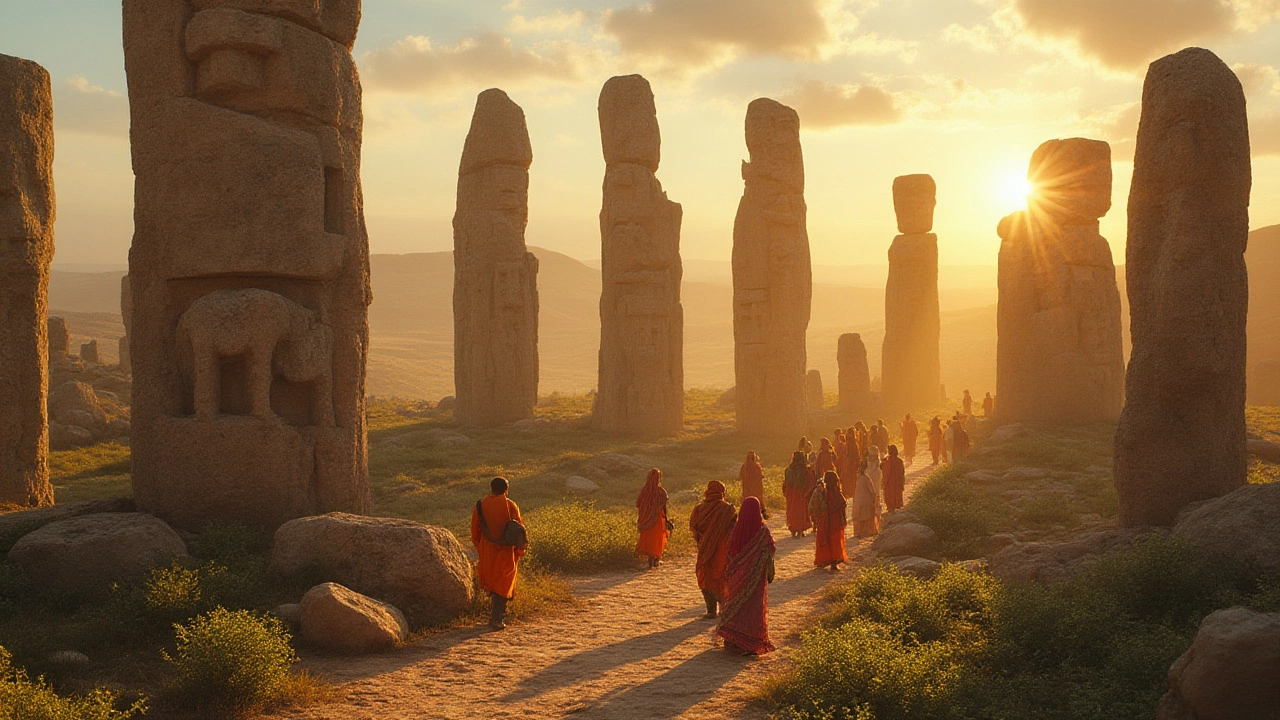
Oldest UNESCO Heritage Site in the World: Discover Göbekli Tepe and Humanity's Origins
Uncover the secrets of the world's oldest UNESCO heritage site, Göbekli Tepe. Learn its history, facts, and why it changes what we know about civilization.