Train Travel Tips for India: How to Ride Smart, Save Money, and Enjoy the Journey
When you think of train travel in India, the world’s third-largest rail network that moves over 23 million people daily. Also known as Indian Railways, it’s not just transport—it’s a cultural experience, a social hub, and sometimes, the only way to really see the country. Forget flying or driving. If you want to feel the rhythm of India—from the spice-scented platforms of Rajasthan to the misty hills of Kerala—your seat on a train is the best front-row ticket.
But riding India’s trains isn’t like hopping on a subway. You need to know how to book without stress, which classes actually matter, and what to pack (hint: no heavy suitcases). IRCTC, the official booking portal for Indian Railways. Also known as Indian Railway Catering and Tourism Corporation, it’s your first stop for tickets, but it crashes during peak season. That’s why savvy travelers use apps like Confirmtkt or Trainman to track waitlists and get alerts. And don’t assume first class means luxury. AC 2-tier is clean, quiet, and often cheaper than you think. AC 3-tier? Fine for short trips, but bring earplugs and a sleep mask. Sleeper class? It’s where the real India lives—locals sharing stories, snacks, and sometimes, a blanket.
train etiquette in India, the unspoken rules that keep the ride smooth for everyone. Also known as railway customs, it includes removing shoes before stepping on the platform, not blocking aisles with bags, and never staring at strangers eating. Women traveling alone should book women-only coaches when possible—they’re safer and less crowded. And always carry bottled water. Tap water on trains? Skip it. Street food on the platform? Only if the stall has a line of locals waiting. The best time to travel? Avoid festivals, holidays, and weekends. If you can, go mid-week. You’ll get better seats, fewer people, and maybe even a friendly chai wallah who remembers your name.
Some of the most popular routes—Delhi to Agra, Mumbai to Goa, Chennai to Madurai—are packed for a reason. But don’t just chase the big names. Try the slow train from Coimbatore to Ooty. Or the overnight from Jaipur to Jaisalmer. These aren’t just rides—they’re stories waiting to happen. You’ll meet a grandmother carrying homemade pickles, a student heading home for Diwali, a photographer chasing sunset light across the Thar Desert. That’s the magic of train travel in India.
What you’ll find in the posts below are real, tested tips from people who’ve been stuck on delayed trains, survived 36-hour journeys with no AC, and learned how to eat well without getting sick. You’ll learn which trains to book months ahead, how to handle ticket inspectors without panic, why you should always carry a small towel, and what to do when your train is canceled at 2 a.m. No fluff. No guesswork. Just what actually works on the ground.
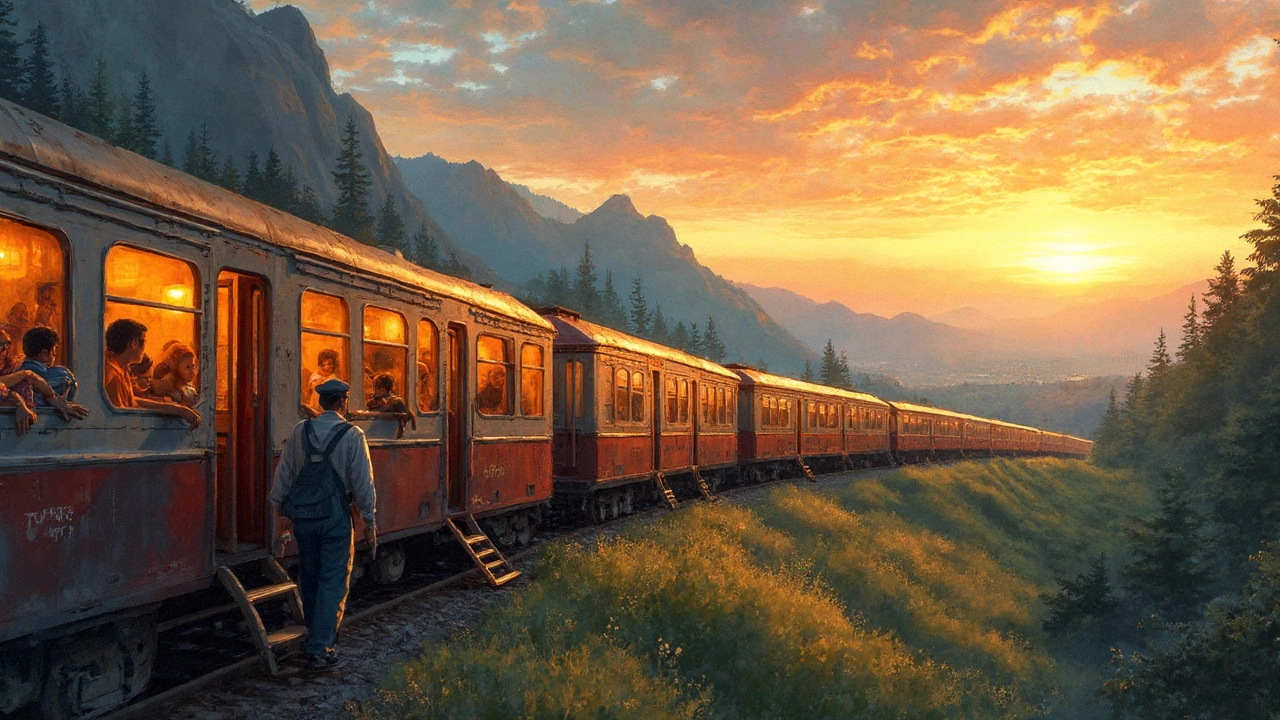
Sleeper Trains in the USA: Your Guide to Luxury Rail Travel
Think sleeper trains vanished from the USA? They're still rolling, connecting big cities and scenic routes with private cabins and classic dining cars. This article breaks down where sleeper trains run, what the cabins are really like, and what you should expect if you're thinking about ditching the road or plane for a night ride on rails. You'll pick up tips on booking, packing, and making your trip feel a bit more luxe—even without the Orient Express price tag. Let's sort out what's fact, what's fantasy, and how to actually grab a ticket.