Train Travel Cost in India: How Much Does It Really Cost?
When you think about train travel cost, the price you pay to ride India’s vast railway network, which connects cities, villages, and sacred sites across the country. Also known as Indian Railways fares, it’s one of the most affordable ways to see India—whether you’re heading from Delhi to Agra or hopping from Kerala to Rajasthan. Unlike planes or private taxis, trains in India let you choose exactly how much you want to spend. You can ride in a basic sleeper class for under $5, or book a fully air-conditioned suite for five times that. The difference isn’t just comfort—it’s the whole experience.
The Indian Railways, the fourth-largest rail network in the world, carrying over 23 million passengers daily. Also known as Railway Board, it operates everything from slow local shuttles to luxury trains like the Maharajas’ Express. But most travelers stick to the regular classes: Sleeper (SL), Third AC (3AC), Second AC (2AC), and First AC (1AC). A 12-hour journey from Mumbai to Goa in Sleeper might cost around ₹400 ($5), while the same trip in 2AC could run ₹1,200 ($15). That’s still cheaper than a bus ticket in many countries. What most tourists don’t realize is that prices don’t change much between seasons—unlike flights. So whether you travel in peak summer or quiet monsoon, your ticket price stays predictable. The real savings come from booking early, avoiding premium trains, and choosing overnight journeys to save on a hotel.
Then there’s the budget train travel, a way to experience India’s heartland without breaking the bank, often used by backpackers, students, and locals. Also known as economy rail travel, it’s not just about low prices—it’s about authenticity. You’ll sit beside farmers heading home, students returning from college, and pilgrims making their way to Tirupati. You’ll see how people live, eat, and talk. And yes, you might lose your seat if you don’t book in advance, but that’s part of the rhythm. Many travelers assume luxury trains like the Palace on Wheels are the only way to enjoy rail travel in India. But those cost over $1,000 a night. For most, the real value is in the ordinary trains—the ones that run on time, carry real people, and cost less than a meal in a tourist restaurant.
Don’t forget about train tickets India, the physical or digital passes you need to board any train, available through IRCTC or at station counters. Also known as rail passes, they’re easy to get if you know where to look. The IRCTC website lets you book weeks ahead, compare classes, and even pick your berth. No credit card? No problem. You can pay cash at the counter, though lines can be long. Pro tip: Book at exactly 8 AM IST—when new tickets drop—for the best seats. And if you’re planning a multi-city trip, check out the Indrail Pass for foreigners. It’s not always cheaper than individual tickets, but it’s convenient if you’re hopping between five or more destinations.
What you won’t find in any brochure is how much you can save by skipping the tourist traps. A ticket from Delhi to Jaipur in 3AC might cost ₹1,800—but if you take the same route on a local train with a transfer, you’ll pay under ₹500. It takes longer, sure. But you’ll see the countryside, stop at small stations, and meet people who’ve never met a foreigner. That’s the real train travel cost—not just rupees, but moments.
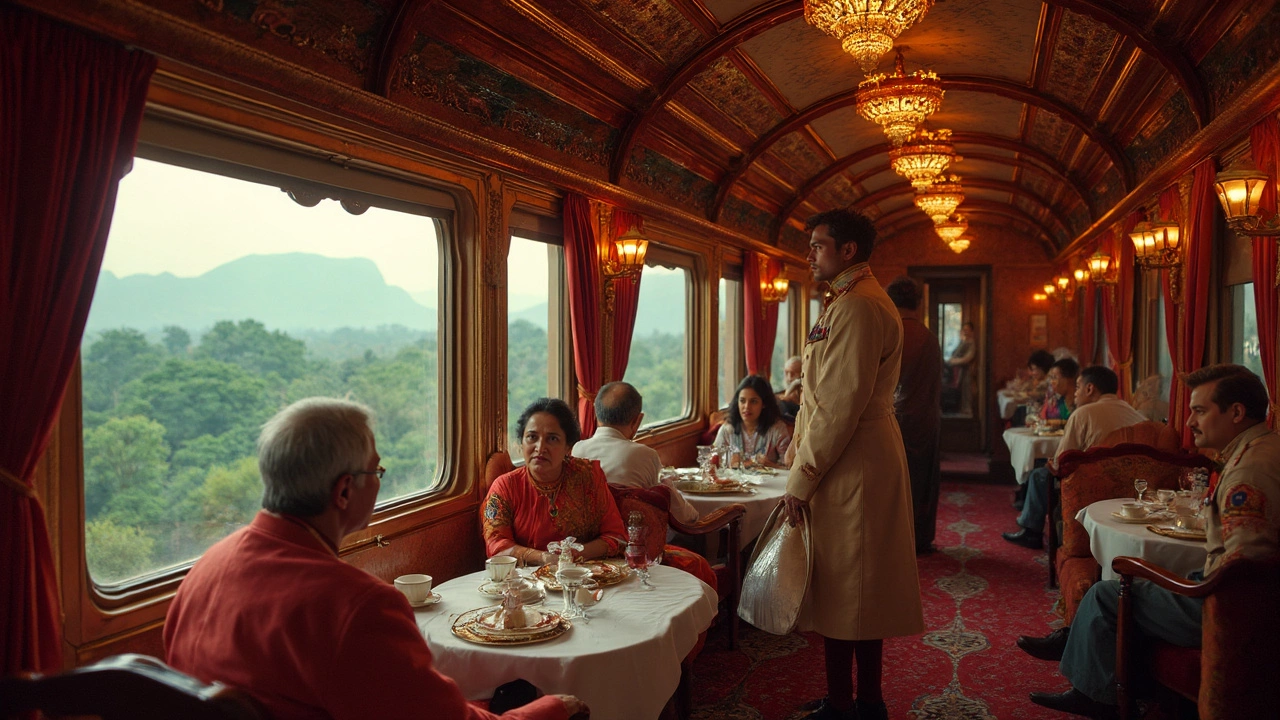
Sleeper Trains: Why Are Luxury Rail Journeys So Expensive?
Why do sleeper trains cost so much more than regular trains? This article digs into the real reasons behind those high ticket prices for luxury train journeys. From one-of-a-kind amenities to quirky regulations and hidden maintenance costs, you’ll see exactly what you’re paying for on these rolling hotels. Expect useful tips if you’re thinking about booking your own cabin, plus a look at whether these experiences are actually worth the splurge. Get a clear picture before you shell out for a ticket.