Stargazing in India: Best Places, Tips, and Night Sky Secrets
When you step away from city lights and look up, stargazing, the quiet act of observing stars, planets, and galaxies with the naked eye or simple tools. Also known as night sky watching, it’s one of the most peaceful ways to connect with the universe—and India has some of the clearest, darkest skies on the planet. Unlike crowded tourist spots, India’s remote high-altitude deserts, mountain ridges, and isolated coasts offer views so sharp you can see the Milky Way like a river of light. This isn’t just about pretty pictures—it’s about seeing Jupiter’s moons, spotting meteor showers, and feeling how small you are under a sky that hasn’t changed in thousands of years.
Stargazing in India doesn’t need fancy gear. A clear night, warm clothes, and patience are enough. But location matters more than equipment. Places like Leh-Ladakh, a high-altitude desert region with minimal light pollution and thin, dry air make it feel like you’re floating in space. The Thar Desert, in Rajasthan, offers wide-open horizons and some of the lowest humidity in the country, perfect for crisp, bright star views. Even the Andaman Islands, far from mainland light sources and surrounded by ocean, give you a rare chance to see the southern sky—something most of India never gets to see.
Timing is everything. The best months for stargazing are October to March, when the skies are clear and the air is dry. Avoid monsoon season and major festivals like Diwali, when fireworks and lanterns turn the night into a haze. New moon nights are your best friends—no moonlight means the stars shine brighter. Bring a red-light flashlight (regular light ruins your night vision), a star map app, and a thermos of hot tea. You don’t need to be an astronomer. Just lie back, let your eyes adjust, and watch. You’ll spot satellites gliding by, shooting stars flashing, and maybe even the faint glow of the Andromeda Galaxy.
What you’ll find in the posts below are real, tested spots where locals and travelers go to watch the stars—not just tourist brochures. You’ll learn why Kuari Pass isn’t just a trekking trail but a world-class viewing platform, how the backwaters of Kerala turn into silent star theaters at night, and why some temples in Varanasi are better for stargazing than the ghats. Whether you’re a beginner or someone who’s spent years chasing the Milky Way, these guides give you exactly what you need: where to go, when to be there, and what to expect under India’s endless night sky.
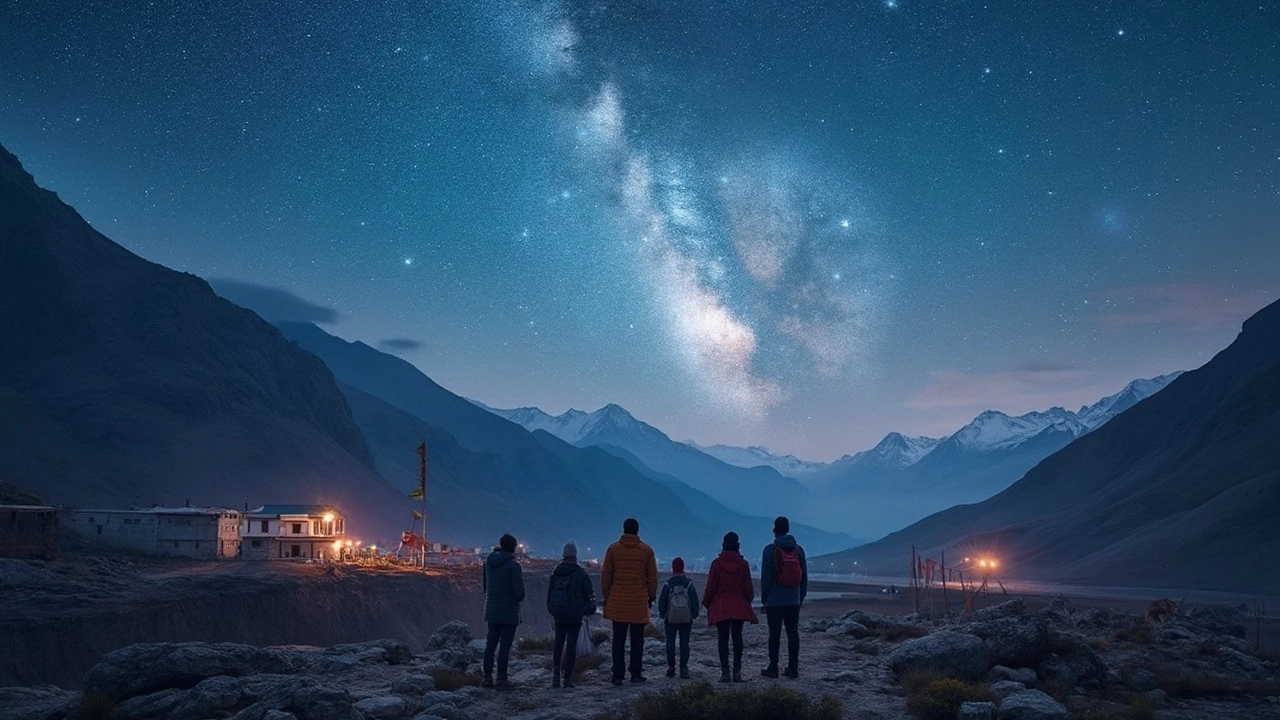
Dark Sky Reserve in India: Where to Spot the Purest Night Skies
India's first dark sky reserve is a game-changer for anyone interested in stargazing and untouched night views. This article breaks down what a dark sky reserve actually is and why the one in Ladakh is causing so much buzz. You'll get tips on when and how to visit, along with some fun facts about what makes it special. Whether you're a traveler or a curious local, this guide cuts through the hype and lays out what makes a dark sky reserve in India worth your trip. Get ready to see stars in a whole new light—literally.