South Indian Food: Bold Flavors, Ancient Traditions, and Must-Try Dishes
When you think of South Indian food, a rich, spice-driven cuisine rooted in rice, lentils, and coastal ingredients that defines the culinary identity of Tamil Nadu, Kerala, Karnataka, and Andhra Pradesh. Also known as Dravidian cuisine, it’s not just meals—it’s daily ritual, temple offering, and family heritage rolled into one. This isn’t the same as North Indian curries with cream and butter. South Indian food is lighter, tangier, and deeply tied to the land—coconut trees, monsoon rice fields, and spice plantations shape every bite.
You’ll find dosa, a crisp, fermented rice and lentil crepe served with coconut chutney and sambar. Also known as South Indian pancake, it’s eaten for breakfast, lunch, or late-night snacks across the region. Then there’s idli, steamed rice cakes so soft they melt on the tongue, paired with fiery sambar and creamy coconut chutney. Also known as Indian steamed buns, they’re the go-to comfort food for millions. Sambar isn’t just a lentil stew—it’s a complex blend of tamarind, lentils, and over a dozen spices, each household having its own secret mix. And let’s not forget coconut—used as milk, oil, grated flesh, or dried flakes—it’s the quiet hero in nearly every dish, from avial, a mixed vegetable curry cooked with coconut and curry leaves. Also known as Kerala mixed veg curry, it’s a staple at Onam feasts. Even the way food is served matters: banana leaves instead of plates, eaten with hands, no forks needed.
What makes South Indian food special isn’t just taste—it’s how it’s made. Fermentation isn’t a trend here; it’s centuries-old science that makes idlis digestible and dosas crispy. Rice isn’t just a grain—it’s the foundation of everything. And spices? They’re not dumped in. They’re toasted, ground fresh, and balanced with precision. You won’t find heavy cream or ghee here like in the North. Instead, you get tamarind’s sour punch, mustard seeds popping in hot oil, curry leaves fragrant in coconut oil, and dried red chilies that bring heat without overwhelming.
If you’ve tried South Indian food at a local Udupi restaurant or a street stall in Chennai, you know it’s not just food—it’s a culture on a plate. The same recipes passed down for generations are still used today, whether in a temple kitchen or a home in Mysore. And while North India gets the spotlight for tandoori and kebabs, South India quietly owns the breakfast table, the temple prasadam, and the rainy-day comfort meal.
Below, you’ll find real guides from travelers who’ve eaten their way through Kerala’s backwaters, cracked open dosas in Madurai, and learned why sambar tastes different in every town. Whether you’re planning a trip or just hungry for authenticity, these stories show you how to eat like a local—not just taste it.
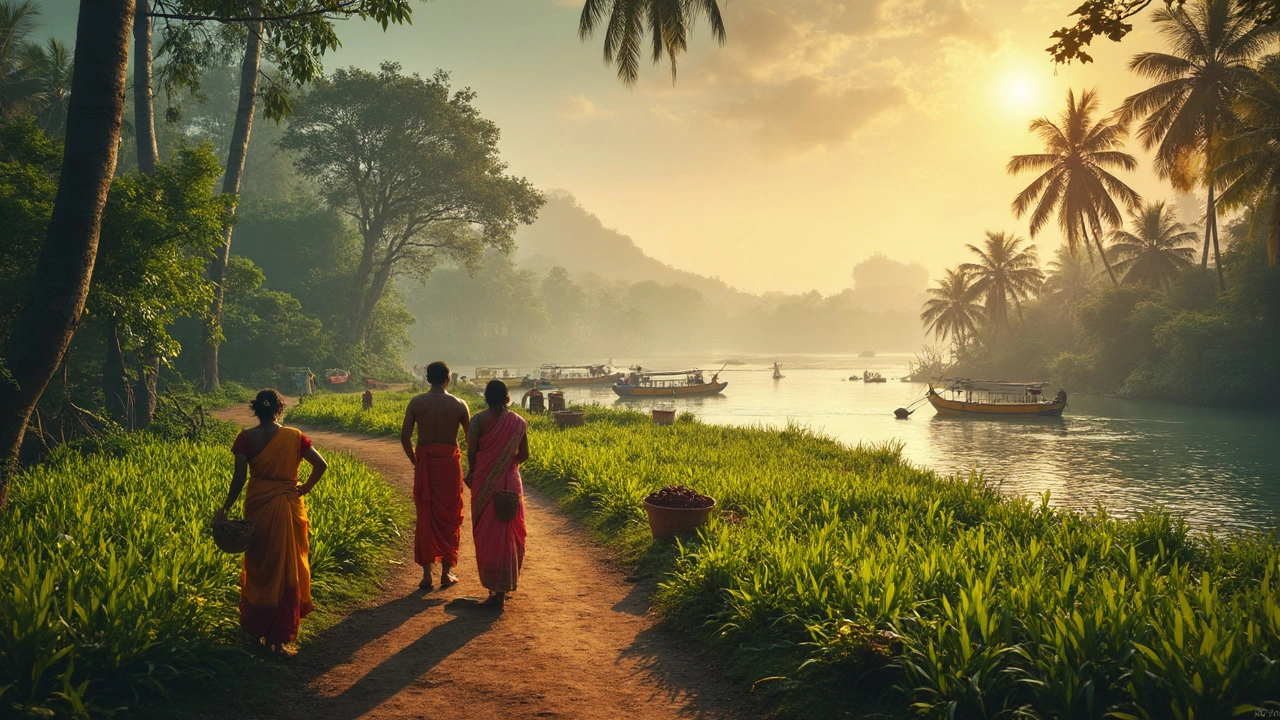
Most Beautiful State in India: South India's Top Travel Gem
If you've ever wondered which state in India really stands out for its beauty, the answer is simpler than you think. This article breaks down what makes Kerala the crown jewel of South India. You'll get practical tips for visiting, find out where to go, what to eat, and even when to book your trip. We go beyond just beaches or backwaters—here's what travelers actually care about. Get ready for firsthand advice and surprising facts.
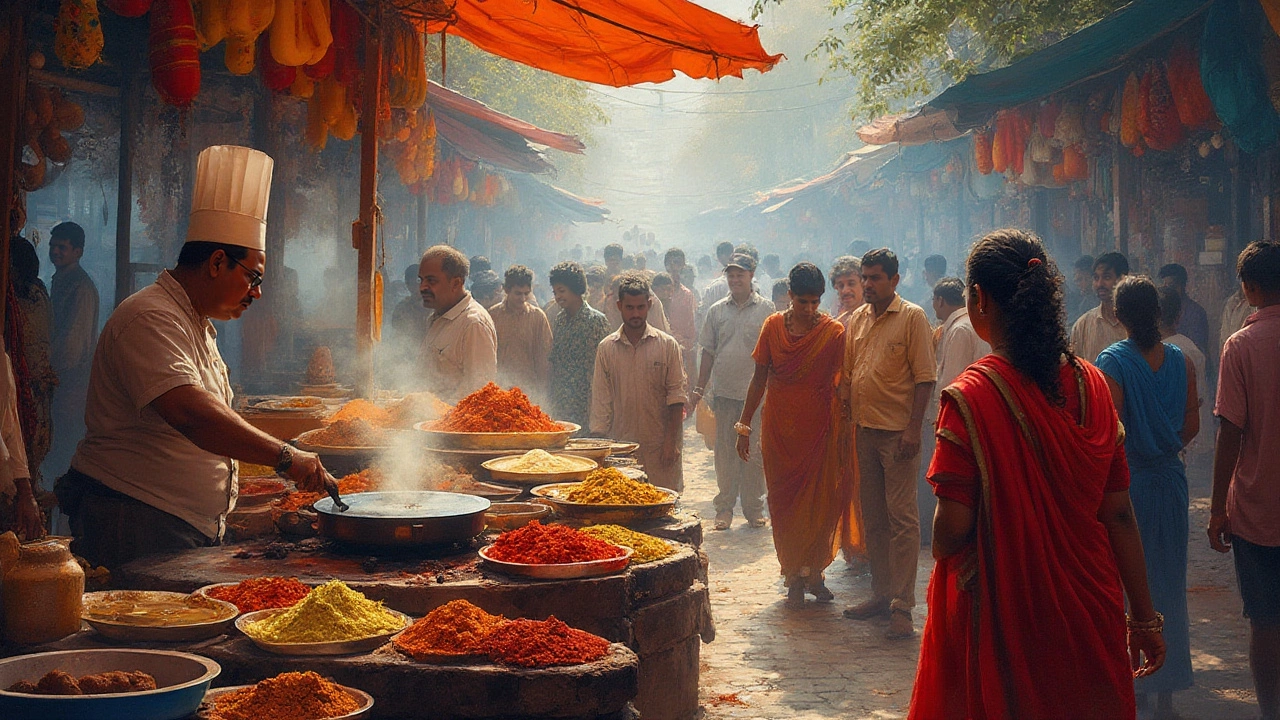
Discovering the Flavors: South Indian vs North Indian Cuisine
Indian cuisine is a vibrant tapestry of flavors, aromas, and spices. This article explores the unique characteristics of South and North Indian food, showcasing the traditional dishes and culinary differences between these two regions. By understanding the ingredients and cooking styles, travelers can embark on an exciting gastronomic journey through India.