South India Travel Tips: Essential Advice for Planning Your Trip
When you think of South India, the southernmost region of India known for its Dravidian culture, ancient temples, lush backwaters, and distinct languages like Tamil, Telugu, Kannada, and Malayalam. Also known as Peninsular India, it’s where traditions run deep, food is bold, and travel moves at its own rhythm. This isn’t just another part of the country—it’s a world apart. If you’re planning a trip here, skipping the basics can mean missing out on the magic—or ending up stuck in a heatwave with no water, or worse, banned from a temple for wearing the wrong shoes.
First, South India transportation, the mix of trains, local buses, hired drivers, and boats that move people across cities, hills, and backwaters. Also known as regional travel in South India, it’s not about speed—it’s about immersion. The train system is reliable, cheap, and connects major spots like Chennai, Bangalore, Mysore, and Kochi. But don’t rely on it alone. Many temple towns like Tirupati or Madurai are best reached by private driver, especially if you’re carrying bags or traveling with family. And in Kerala, a houseboat ride through the backwaters isn’t just a tourist activity—it’s the only way to see villages that have no roads. Skip the rental car unless you’re used to chaotic Indian roads. Local drivers know the shortcuts, the potholes, and where to stop for the best filter coffee.
Then there’s South India temples, the towering gopurams and sacred spaces that define spiritual life from Tamil Nadu to Karnataka. Also known as Dravidian-style temples, they’re not just monuments—they’re living centers of daily worship, charity, and community. You can’t just walk in. You’ll need to remove your shoes, cover your shoulders, and avoid leather. Some temples, like the one in Tirupati, require you to wait hours just to get inside. Others, like the ones in Madurai, let you wander freely but still demand quiet respect. Don’t assume all temples are the same. Each has its own rules, and locals notice when you don’t follow them. And while you’re there, don’t rush past the food stalls outside. That spicy dosa or coconut chutney? It’s part of the experience.
South India food, the fiery, coconut-heavy, rice-based cuisine that’s unlike anything in the North. Also known as Dravidian cuisine, it’s not for the faint of heart—or the stomach that can’t handle spice. But it’s also not dangerous if you know how to order. Stick to hot, freshly cooked dishes: idli, sambar, rasam, fish curry. Avoid raw salads and ice unless you’re sure it’s made with bottled water. Street food is safe if the stall is busy—high turnover means fresh food. And yes, you can get great coffee here, not just chai. Filter coffee in Chennai or Mysore is a ritual, not a drink. Don’t skip it.
Weather matters too. South India weather, the hot, humid climate that peaks between March and May and brings heavy monsoon rains from June to September. Also known as tropical climate in South India, it’s why locals move slow and sleep late. Traveling in the monsoon? You’ll get soaked, but the landscapes turn emerald green and the crowds vanish. The best time to go? October to February—cooler, drier, and perfect for temple visits and beach days.
What you’ll find below isn’t a list of generic dos and don’ts. These are real stories from real travelers who got lost, ate well, missed buses, and found peace in a temple courtyard. Whether you’re planning your first trip or returning after years, the tips here will save you time, money, and stress—and help you see South India the way locals do.
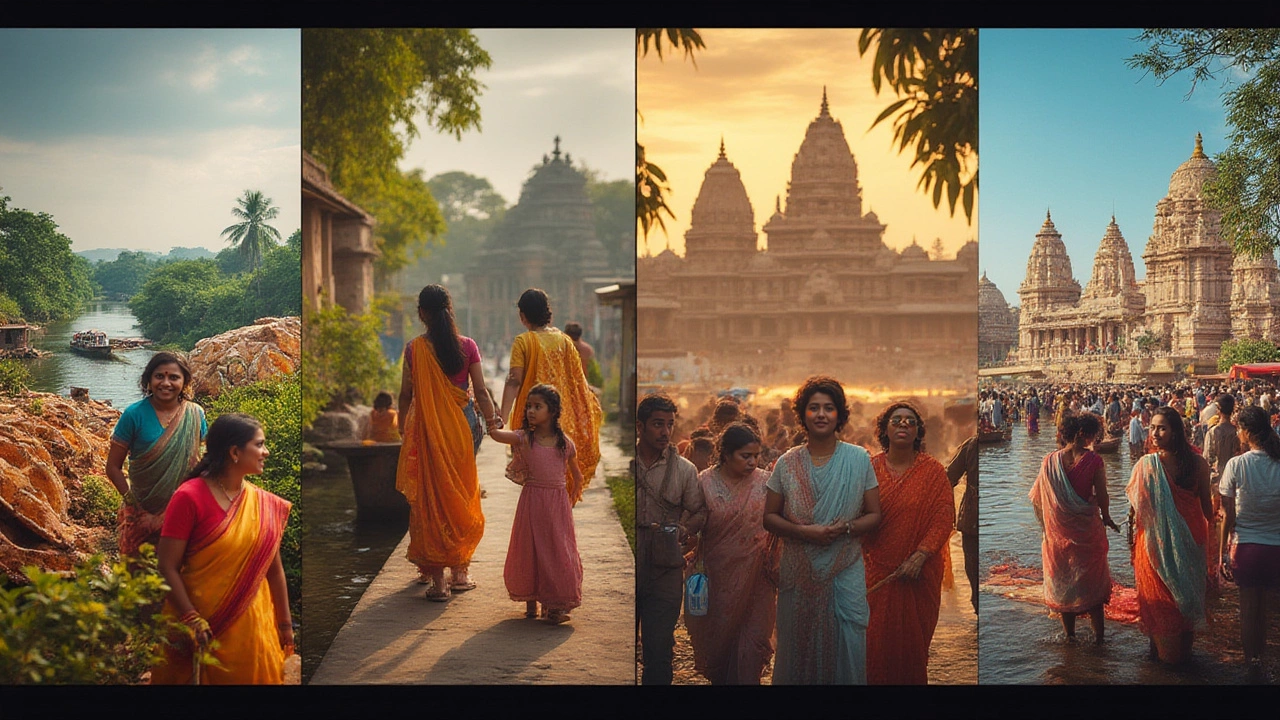
Best South Indian States for Tourism: Kerala, Tamil Nadu, Karnataka & Andhra Pradesh Guide
Curious which South Indian state offers the best tourism experience? Dive deep into Kerala, Tamil Nadu, Karnataka, and Andhra Pradesh for a practical, real-world guide.