South India Safety: What You Need to Know Before You Go
When it comes to South India safety, the overall safety record for travelers in South India is strong, with low violent crime rates and welcoming communities. Also known as southern India travel safety, it’s one of the most reliable regions in the country for tourists—whether you’re a solo female traveler, a family, or a backpacker on a budget. Unlike some parts of North India, South India doesn’t have the same reputation for aggressive tourism scams or chaotic crowds. Cities like Chennai, Kochi, Mysore, and Coimbatore are clean, orderly, and used to hosting foreigners. Even remote villages in Kerala or Tamil Nadu often treat visitors with genuine curiosity and kindness.
That said, local transport, especially auto-rickshaws and unregulated taxis, can be tricky if you don’t know how to negotiate fares. Also known as South India transportation safety, it’s not about danger—it’s about awareness. Always agree on a price before getting in, or insist on the meter. Women traveling alone should avoid late-night rides without a trusted driver or hotel-arranged transport. In temple towns like Madurai or Tirupati, pickpockets can be active in crowded areas, so keep bags zipped and wallets tucked away. Food safety is another common concern, but it’s easier to manage here than in the north. Street food in South India is often safer because meals are cooked fresh and served hot—think dosas frying on griddles, idlis steaming in bamboo baskets, and filter coffee brewed in front of you. Stick to places where locals line up. Avoid raw salads, unpeeled fruit, and ice in drinks unless you’re sure the water’s filtered.
Cultural respect, isn’t just polite—it’s part of your safety strategy. Also known as temple etiquette in South India, dressing modestly, removing shoes before entering homes or temples, and avoiding public displays of affection go a long way. Locals notice when you make an effort. In Kerala, even in beach towns, covering your shoulders and knees outside resort areas helps you blend in. In Tamil Nadu, don’t point your feet at idols or people—it’s considered disrespectful. These aren’t rules to scare you; they’re simple cues that signal you’re a thoughtful guest, not a clueless tourist. The weather, too, affects safety. Monsoon season brings heavy rain and landslides in the Western Ghats. If you’re trekking in Coorg or Wayanad, check forecasts daily. Flash floods can cut off roads, and trails become slippery. Don’t push through bad conditions just to tick off a destination.
What you’ll find in the posts below are real, tested tips from travelers who’ve walked these streets, ridden these trains, and eaten at these stalls. You’ll learn which areas to avoid after dark, how to spot a reliable driver, what to pack for safety and comfort, and why South India’s reputation for safety isn’t just marketing—it’s earned. No fluff. No fearmongering. Just what works.
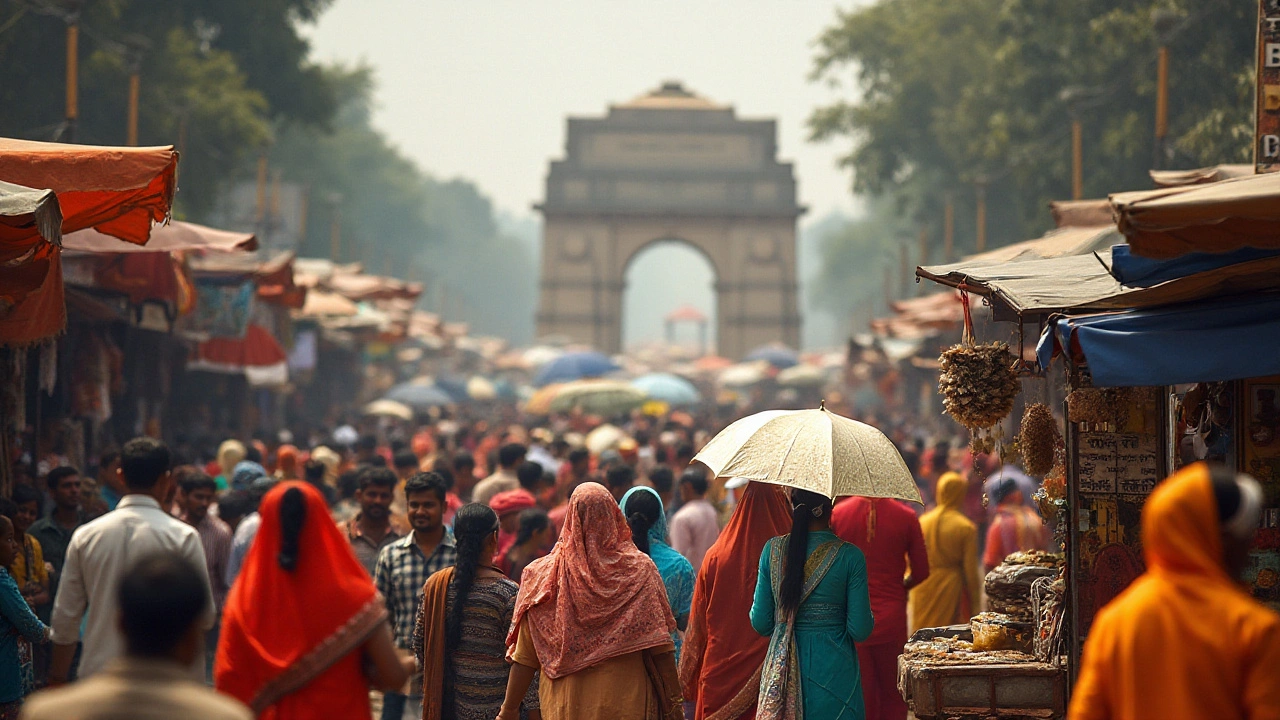
Exploring Safety: North vs. South India Travel
The safety of travelers in India often sparks debates, especially between the diverse regions of North and South India. Each region presents unique challenges and advantages from bustling urban areas to serene landscapes. Understanding the cultural dynamics, regional differences, and safety statistics can greatly impact travel experiences. By uncovering practical tips and interesting facts, travelers can make informed decisions for their journeys.