Sleeper Trains in India: What to Expect and How to Ride Them Right
When you think of traveling across India, sleeper trains, the most common and affordable way millions of Indians move across the country every day. Also known as third-class or sleeper class coaches, these trains aren’t just transportation—they’re a cultural experience that connects cities, villages, and people in ways planes and buses never can. You don’t need to book a first-class cabin to have a real Indian journey. The sleeper train is where you’ll meet students heading home, pilgrims on their way to a temple, farmers selling produce in the next state, and travelers like you, just trying to get from A to B without breaking the bank.
What makes sleeper trains, a system built for efficiency and accessibility across India’s vast geography. Also known as Indian Railways sleeper class, it’s the backbone of daily mobility for over 20 million passengers every day. You’ll find them on nearly every major route—from Delhi to Mumbai, Chennai to Kolkata, and even into remote corners of the Northeast. These aren’t luxury cabins. They’re open bays with three tiers of narrow beds, covered by thin mattresses and basic bedding. No private bathrooms. No room service. But you’ll get a window seat, a chance to watch the landscape change from desert to jungle, and maybe even a conversation with someone who’s lived a life you’ve never imagined.
Not all sleeper trains are the same. The difference between a regular sleeper and a AC sleeper, a cooler, quieter, and slightly more comfortable version with air conditioning and locked doors. Also known as 3-tier AC sleeper, it’s the go-to for travelers who want comfort without the price tag of a first-class ticket. matters. AC sleepers cost more but keep the noise down and the temperature controlled. Non-AC sleepers are hotter, louder, and packed tighter—but they’re cheaper and feel more like real India. If you’re planning a long ride—say, 18 hours from Jaipur to Varanasi—knowing this helps you pick wisely. Bring earplugs. Bring a small towel. Bring snacks. And don’t expect to sleep the whole way. That’s part of the charm.
People ask if it’s safe. Yes, if you’re smart. Women’s coaches are reserved and monitored. Keep your bag close. Don’t flash cash. Most travelers, even solo ones, make it through without issues. The real challenge? Getting a confirmed ticket. Book early. Use the IRCTC app. And if you’re flexible, try booking a Tatkal ticket the day before—it’s pricier but often the only way to get on a full train.
What you’ll find in the posts below are real stories and practical tips from people who’ve ridden these trains—whether it’s how to pick the best bunk, what food to buy at stations, or why that old man sharing your berth gave you his extra blanket. You’ll learn how to navigate the chaos, how to stay clean, and how to turn a 12-hour ride into a memory you won’t forget. This isn’t about luxury. It’s about getting there the way most Indians do—and seeing the country while you do it.
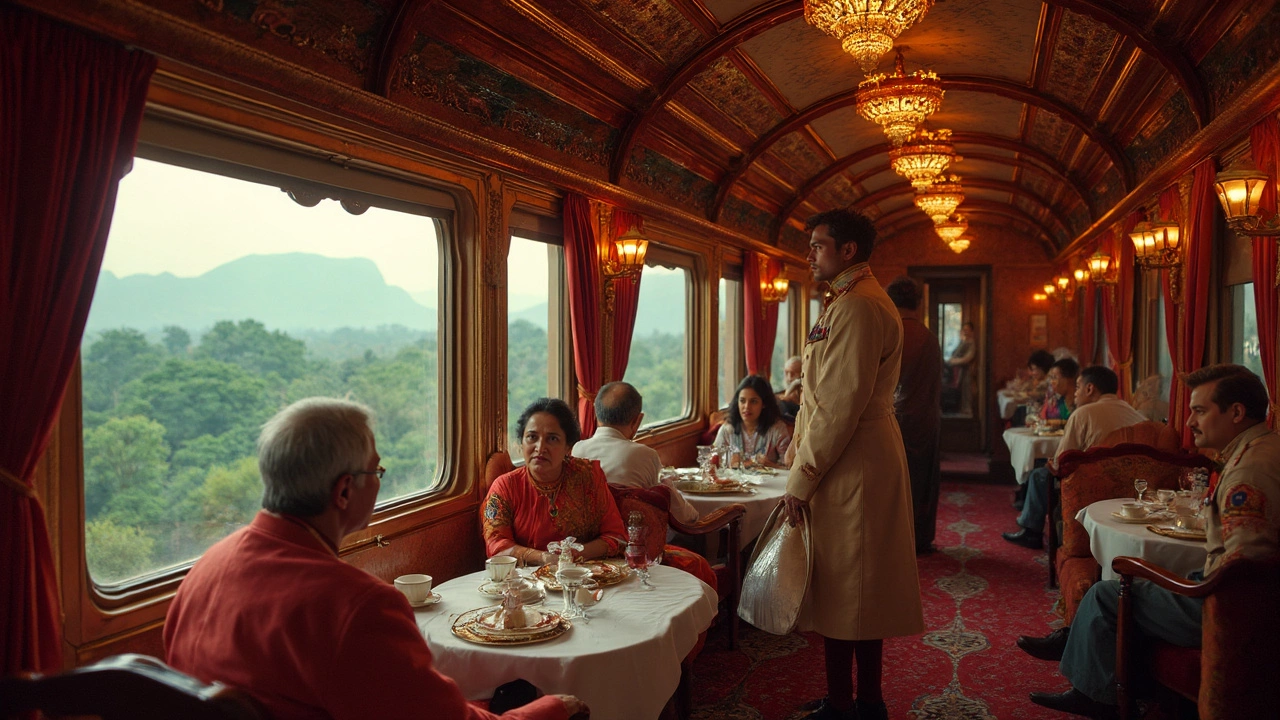
Sleeper Trains: Why Are Luxury Rail Journeys So Expensive?
Why do sleeper trains cost so much more than regular trains? This article digs into the real reasons behind those high ticket prices for luxury train journeys. From one-of-a-kind amenities to quirky regulations and hidden maintenance costs, you’ll see exactly what you’re paying for on these rolling hotels. Expect useful tips if you’re thinking about booking your own cabin, plus a look at whether these experiences are actually worth the splurge. Get a clear picture before you shell out for a ticket.