Safe Eating in India: How to Avoid Stomach Issues and Enjoy Local Food
When you’re traveling in India, safe eating in India, the practice of choosing food and drinks that reduce the risk of illness while enjoying authentic local flavors. Also known as food safety for travelers, it’s not about avoiding Indian food—it’s about knowing how to enjoy it wisely. Thousands of visitors eat street food every day without a problem, and many return home raving about the flavors they tried. The key isn’t fear—it’s awareness.
Most stomach issues come from water, not spices. Always drink sealed bottled water, and skip ice unless you’re sure it’s made from purified water. Even brushing your teeth with tap water can cause trouble. Street food vendors who cook food fresh in front of you, using high heat, are often safer than restaurants where food sits out. Look for busy stalls—locals know who serves the best and safest food. A vendor with a long line isn’t just popular; they’ve earned trust through consistency.
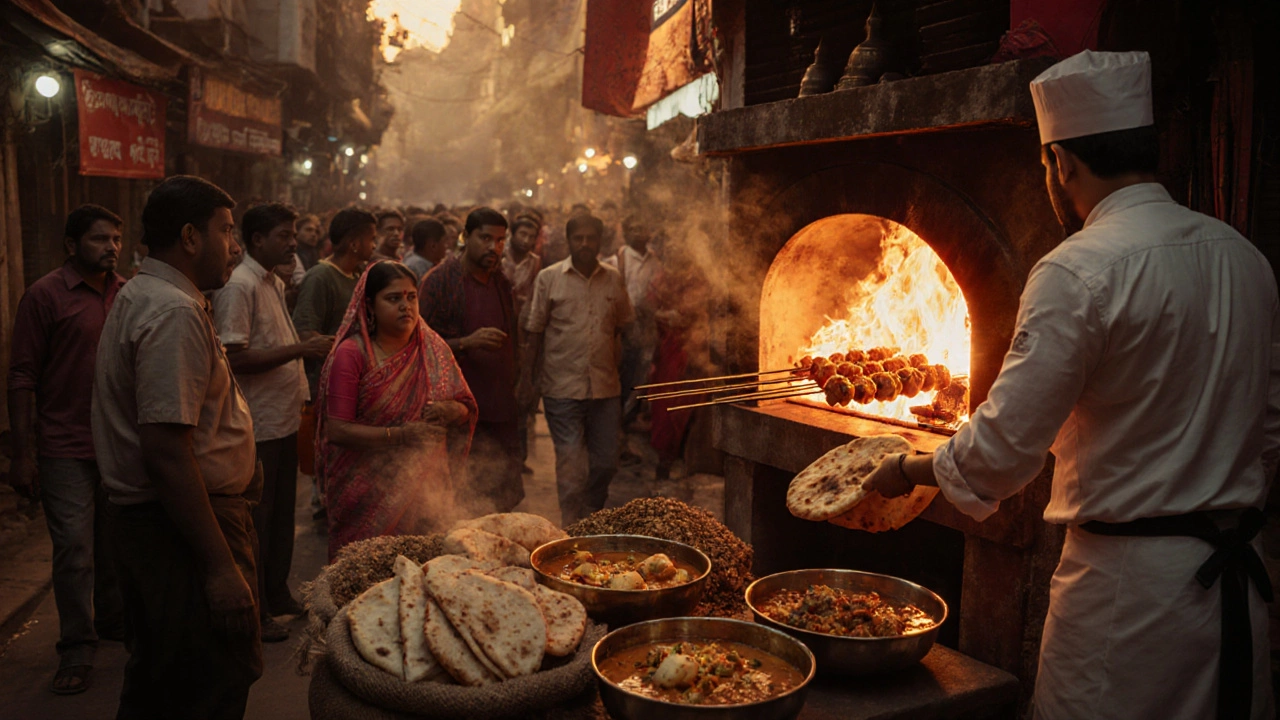
When you’re in South India, try dosas from a stall where the batter is fermented daily and cooked on a hot griddle. In North India, go for tandoori chicken straight out of the clay oven. Avoid raw salads unless they’re washed in filtered water (which most small vendors don’t have), and skip unpeeled fruit unless you peel it yourself. Dairy products like yogurt and paneer are usually fine if they’re refrigerated and from reputable brands. Don’t assume fancy hotels are always safer—sometimes the best meals come from places with no menu, no English, and a single burner.
What to Carry for Safe Eating on the Road
Keep a small pack of oral rehydration salts and probiotics in your bag. They’re lightweight, cheap, and can make a big difference if you feel off. Many travelers swear by activated charcoal tablets for mild upset stomachs—use them only when needed. Carry hand sanitizer with at least 60% alcohol, and use it before eating, even if your hands look clean. Don’t rely on just soap and water—India’s tap water isn’t always safe for washing hands either.
Some people think spicy food causes stomach problems, but that’s not true. Capsaicin in chilies can actually kill bacteria. The real risks are poor hygiene, old oil, and unclean surfaces. Watch how the vendor handles money and food. Do they use the same gloves or tongs for raw and cooked items? Do they cover the food? Is the cooking area clean? These small signs tell you more than any signboard ever could.
You don’t need to eat like a local to stay safe—you just need to eat smart. A banana from a vendor who peels it for you in front of you? Perfect. A roadside chaat with fresh chutneys and hot oil? Likely fine. A pre-cut fruit platter from a hotel buffet? Risky. Your gut will thank you for paying attention to the details, not the price tag.
There’s no magic rule that says you can’t eat Indian street food safely. It’s not about luck—it’s about patterns. The posts below give you real examples from travelers who got it right, from Delhi’s bustling markets to Kerala’s quiet beachside stalls. You’ll find out which cities have the best food safety habits, what dishes are safest for beginners, and how to handle a stomach issue if it happens. You’re not here to avoid flavor—you’re here to taste it without the fear.
What Can Americans Eat in India? A Practical Guide to Safe and Delicious Food in North India
Americans visiting North India can enjoy bold, flavorful food safely by choosing cooked-hot dishes like tandoori chicken, dal, and naan, avoiding raw produce and tap water, and sticking to busy street stalls with high turnover.