Roopkund Trek: What to Know Before You Hike India's Skeleton Lake Trail
The Roopkund trek, a high-altitude Himalayan hike leading to a mysterious glacial lake filled with ancient human remains. Also known as Skeleton Lake, it's one of India’s most dramatic and talked-about trails, drawing hikers who want more than just views—they want a story. This isn’t just another mountain walk. It’s a journey through thin air, rocky passes, and silence so deep you hear your own breath. The lake itself, hidden at 16,500 feet, doesn’t look like much on a sunny day—just ice-cold water surrounded by peaks. But pull back the surface, and you’ll find centuries-old skeletons, some still wearing leather boots and wooden jewelry. No one knows exactly how they died, but theories range from a sudden hailstorm to ancient pilgrimage gone wrong.
The Roopkund trek, a moderate-to-challenging route that starts in the village of Lohajung in Uttarakhand. Also known as the Roopkund Lake trek, it typically takes four to six days, depending on your pace and whether you add side hikes to the Trishul peaks or the Ali Bedni Bugyal meadows. You’ll climb through pine forests, cross suspension bridges over icy rivers, and sleep in basic camps with no electricity. The real test isn’t the distance—it’s the altitude. Many people feel sick above 12,000 feet, and the final push to Roopkund Lake hits 16,500 feet. You don’t need to be an elite athlete, but you do need to train your lungs. Hike stairs, carry a backpack, and practice breathing slowly. If you’ve done Kuari Pass or Indrahar Pass, you’re ready. If you’ve never been above 8,000 feet, consider starting with something easier. The best time to go is late May to early June or September to early October. Snow melts in spring, revealing the trail. Autumn brings clear skies and fewer crowds. Winter? Forget it. The path disappears under snow, and temperatures drop below -20°C. Even in peak season, you’ll share the trail with maybe 20 to 50 others a day—tiny compared to the crowds at Har Ki Dun or Valley of Flowers.
What you’ll find at Roopkund isn’t just a lake. It’s a reminder of how small we are. The bones aren’t displayed in a museum—they’re scattered naturally, half-buried in ice, untouched. Local guides tell stories passed down for generations. Some say these were pilgrims who angered the goddess Nanda Devi. Others think they were soldiers from a lost kingdom. Scientists have carbon-dated them to around 850 AD. No matter the truth, standing there, wind biting your cheeks, you feel history breathing around you. This is why people come back. Not just for the photos, but for the silence.
Below you’ll find real stories from people who’ve done the Roopkund trek—what they packed, how they handled altitude, where they stayed, and what surprised them most. Some made it. Others turned back. All of them learned something they won’t forget.
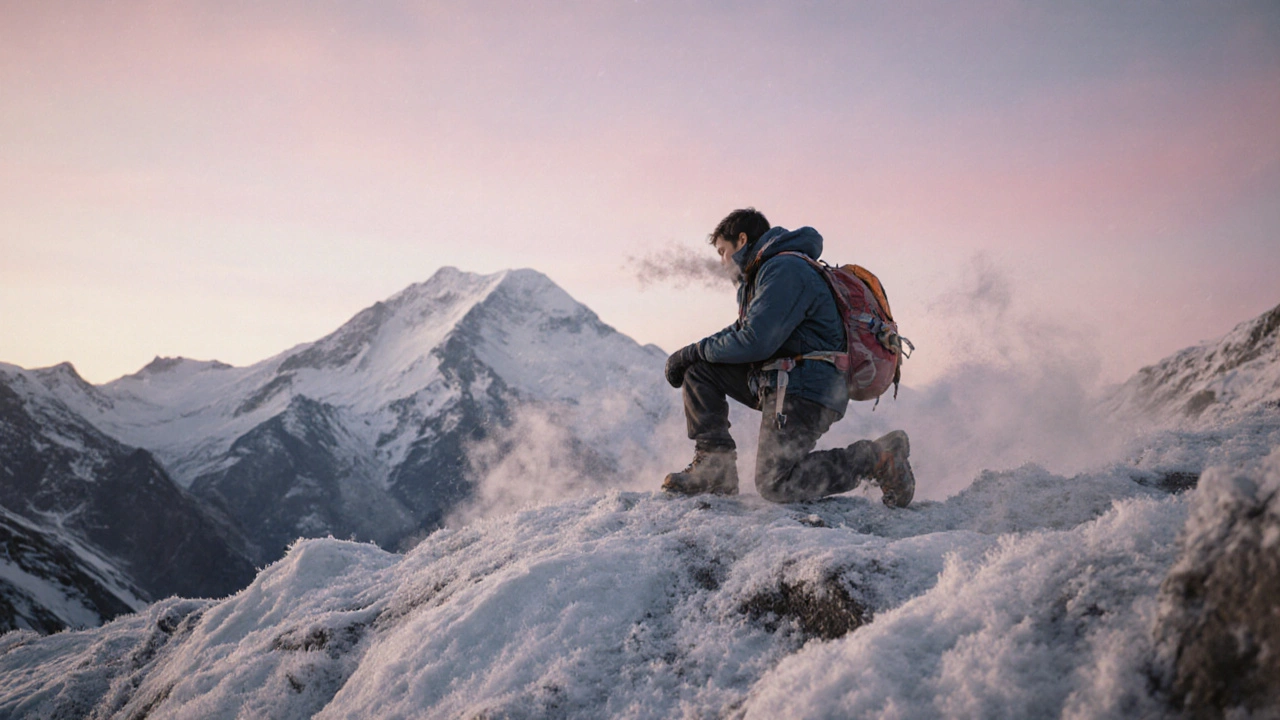
What Is the Hardest Place to Hike in India?
The Kailash Mansarovar trek is widely considered the hardest hike in India due to extreme altitude, isolation, and harsh weather. Learn why this pilgrimage challenges even the most experienced trekkers-and who should attempt it.