Richest Heritage State in India: Where Culture, Temples, and History Come Alive
When people talk about the richest heritage state, a region where history is not preserved behind glass but lived in daily rituals, architecture, and festivals. Also known as India’s cultural heartland, it’s not just about old buildings—it’s about places where every step echoes with centuries of devotion, art, and community. Many assume it’s Rajasthan with its forts and palaces, or Uttar Pradesh with the Taj Mahal. But the real depth—where heritage isn’t a show for tourists but a way of life—lives in Tamil Nadu, a state where over 30,000 temples still hum with daily worship, classical dance is taught in village courtyards, and ancient rituals are passed down without interruption. This isn’t heritage as a museum exhibit. It’s heritage as a heartbeat.
Look at the Meenakshi Amman Temple, in Madurai, one of the most visited spiritual sites in India, with its towering gopurams covered in thousands of colorful statues. Or the Brihadeeswarar Temple, in Thanjavur, built in 1010 AD with a 66-meter vimana that still stands perfectly aligned with the sun’s path. These aren’t just tourist spots—they’re active places of worship, community gatherings, and living art. In Tamil Nadu, you’ll find families who’ve been temple priests for 15 generations. You’ll see weavers in Kanchipuram using the same silk-weaving techniques from the Chola dynasty. You’ll hear Carnatic music played in temple courtyards the same way it was 800 years ago.
Compare that to other states. Kerala has its backwaters and Kathakali, but its heritage is more seasonal. Karnataka has Hampi’s ruins, but they’re mostly archaeological. Rajasthan has grandeur, but much of it was built for royalty, not the people. Tamil Nadu’s heritage belongs to everyone. It’s in the food—like the 108 different dishes served in temple kitchens during festivals. It’s in the language—Tamil, one of the world’s oldest living languages, still spoken in homes and schools. It’s in the festivals—Pongal, Chithirai Thiruvizha, and the annual chariot processions that pull entire towns into motion.
And it’s not just about temples. Tamil Nadu holds some of India’s oldest UNESCO World Heritage Sites, including the Great Living Chola Temples and the Group of Monuments at Mahabalipuram. These aren’t frozen in time. They’re still used—prayed in, danced around, celebrated in. You won’t find crowds here just because it’s Instagram-worthy. You’ll find them because it’s sacred.
If you’re looking for the place where India’s soul feels most intact, where heritage isn’t a word on a sign but something you can touch, hear, and smell—you’re looking at Tamil Nadu. The richest heritage state isn’t the one with the most money spent on restoration. It’s the one where culture never stopped breathing. Below, you’ll find real stories from travelers who’ve walked these temple corridors, sat through all-night rituals, and tasted food served on banana leaves for centuries. This isn’t a list of places to check off. It’s a guide to experiencing India at its most alive.
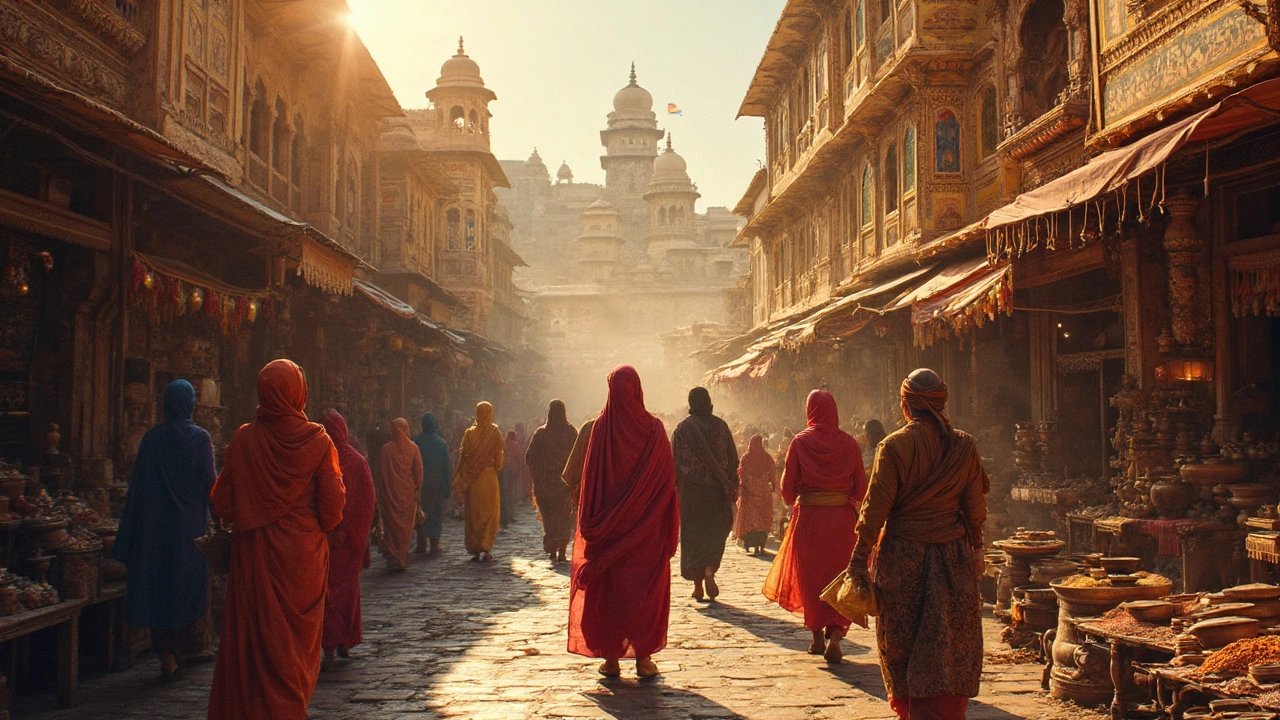
Richest Heritage State in India: Where Culture Lives and Breathes
India has a crazy mix of heritage, but some states stand out more than others. This article digs deep into which Indian state truly packs the biggest punch when it comes to culture, history, and heritage sites. Find out what makes this state a magnet for history fans and curious travelers. You'll get fun tidbits, useful tips for planning visits, and insights you rarely hear about. Whether you're looking to explore ancient forts, palaces, or bustling old cities, this guide will point you in the right direction.