Religion in India: Sacred Sites, Practices, and Living Faiths
When you think of religion in India, a living, breathing system of belief that shapes architecture, food, festivals, and daily routines across 1.4 billion people. Also known as Indian spirituality, it’s not confined to temples or prayers—it’s in the scent of incense at dawn, the chant of mantras on a riverbank, and the quiet act of removing shoes before stepping into a sacred space. This isn’t a history lesson. It’s a present-day reality where over 50 million people visit the Tirumala Venkateswara Temple every year, and Varanasi’s ghats burn with the same fire they have for thousands of years.
Hindu temples, the most visible expression of faith in India, range from towering structures like Meenakshi Amman in Madurai to hidden shrines in Himalayan villages. Also known as mandirs, they’re not just places of worship—they’re community centers, cultural hubs, and living museums of art, music, and ritual. Then there’s the pilgrimage sites India, a network of sacred destinations that draw believers from every corner of the country and beyond. Also known as tirtha yatra, these journeys—from Kashi Vishwanath in Varanasi to the Golden Temple in Amritsar—are as much about inner transformation as they are about physical travel. You’ll find Muslims praying at the Jama Masjid in Delhi, Sikhs offering free meals at gurdwaras, Christians celebrating Christmas in Goa’s Portuguese-style churches, and Buddhists meditating in Ladakh—all coexisting, sometimes side by side, always deeply rooted in their own traditions.
Religion here doesn’t stay behind altar rails. It walks with you on the streets, eats with you at roadside dhabas, and guides how you dress, speak, and even what you avoid touching. Before entering a temple, you take off your shoes. You don’t carry leather. You bow your head. These aren’t rules for tourists—they’re routines passed down for generations. And that’s what makes religion in India so powerful: it’s not something you observe. It’s something you step into.
Below, you’ll find real stories from people who’ve walked these paths—whether climbing to Kailash Mansarovar, learning temple etiquette in Tamil Nadu, or simply watching the Ganges glow at sunrise. These aren’t guidebooks. They’re snapshots of faith as it’s lived, not labeled.
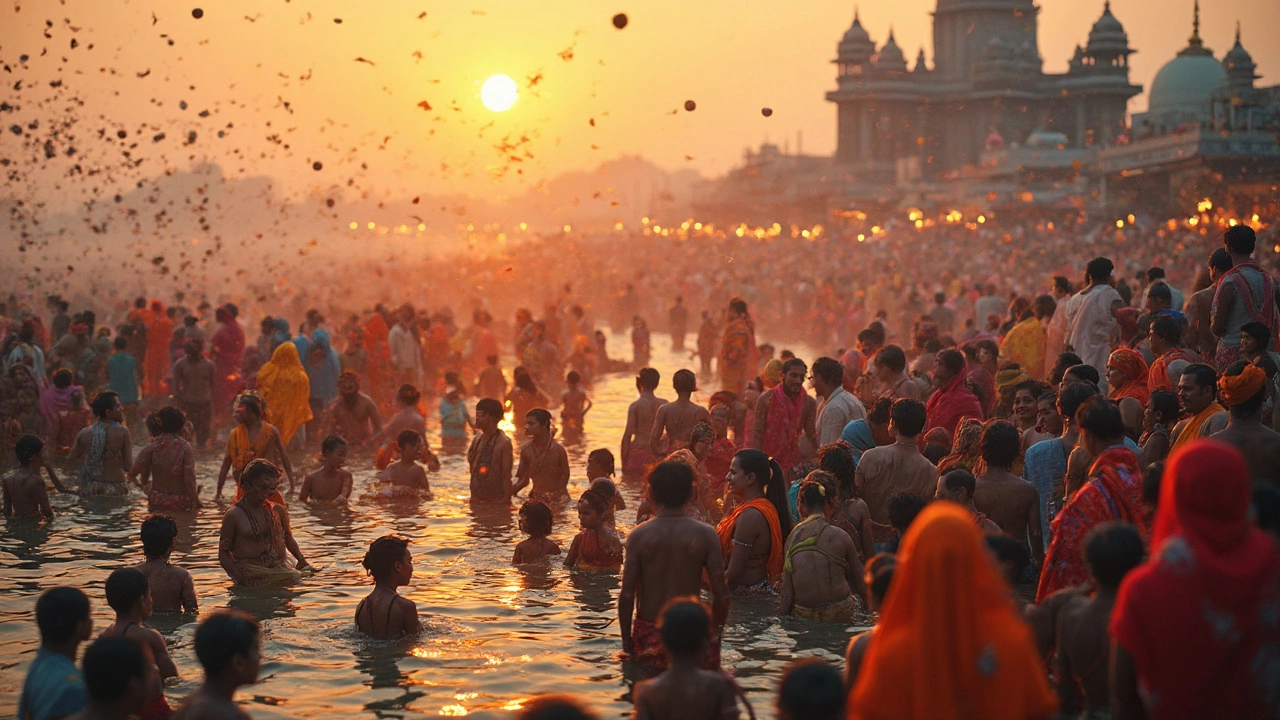
Understanding Religion in India: A Cultural Exploration
India is a mosaic of religions, offering a vibrant tapestry of spiritual traditions that captivate travelers. From ancient Hindu practices to the serene teachings of Buddhism, and from the colorful festivals of Sikhism to the soulful Sufi music in Islamic communities, India presents a rich spiritual landscape. Travelers can explore the architectural grandeur of temples and mosques while participating in community rituals. Understanding the religious diversity in India enhances cultural tourism and offers a profound travel experience.