North Indian Cuisine: Bold Flavors, Rich Traditions, and Must-Try Dishes
When you think of North Indian cuisine, a vibrant, spice-driven food tradition centered in states like Punjab, Uttar Pradesh, and Rajasthan, known for tandoor-cooked meats, creamy gravies, and fresh flatbreads. Also known as North Indian food, it’s the kind of cooking that fills kitchens with the smell of cumin, cardamom, and smoked chili—food that’s meant to be eaten with your hands, shared at large tables, and remembered long after the last bite. This isn’t just food. It’s history on a plate. The Mughal emperors brought slow-cooked biryanis and rich kormas. Punjabi farmers turned dairy into butter, paneer, and lassi. Street vendors perfected the tandoor, turning clay ovens into flavor machines. You don’t just eat North Indian cuisine—you feel it.
What makes it stand out? First, the tandoor, a cylindrical clay oven that cooks meats at high heat, giving them a smoky char and juicy interior. Also known as tandoori oven, it’s the heart of dishes like tandoori chicken and naan, the soft, pillowy bread you’ll tear off and dip into creamy dal makhani. Then there’s the spice blend—garam masala, not just heat, but warmth layered with cinnamon, cloves, and black cardamom. Unlike South India’s coconut-based curries, North Indian food leans on cream, yogurt, and butter. It’s comfort food with depth. You’ll find it in Delhi’s bustling dhabas, in Jaipur’s royal kitchens, and in the homes of families who’ve passed down recipes for generations. It’s not fancy. It’s real. And it’s designed to be eaten with joy, not rules.
For travelers, especially Americans or first-timers, North Indian cuisine is the safest and most welcoming entry point to Indian food. You don’t need to guess what’s in the curry. Tandoori chicken is grilled, not fried. Dal is lentils simmered with garlic and cumin—simple, nourishing, and always cooked hot. Stick to busy stalls where the turnover is high, and avoid raw salads. The food here is built for safety and flavor, not risk. And yes, you’ll want to eat naan with everything—even if you’re not sure what "everything" is yet.
What you’ll find in the posts below are real, practical guides—how to eat safely, what dishes to try first, where to find the best butter chicken in Delhi, and why a simple bowl of dal can feel like a meal from a king. No fluff. No tourist traps. Just the food, the stories behind it, and how to enjoy it like someone who’s lived here.
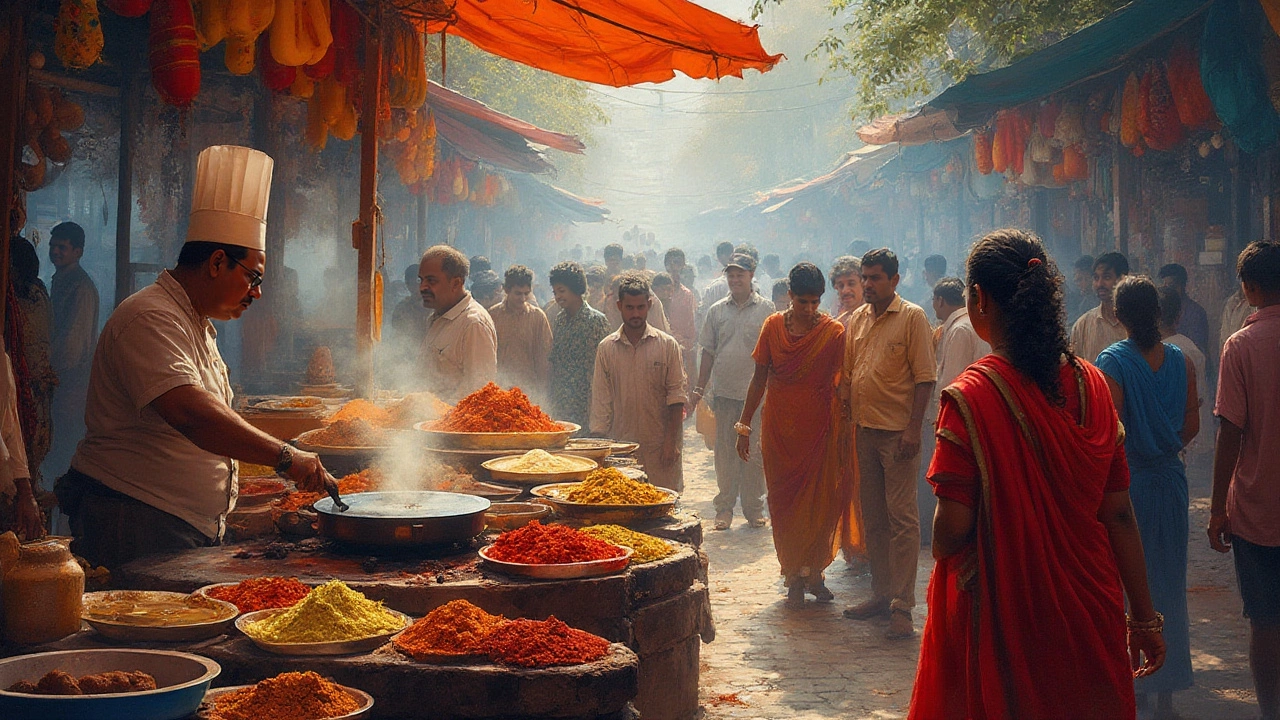
Discovering the Flavors: South Indian vs North Indian Cuisine
Indian cuisine is a vibrant tapestry of flavors, aromas, and spices. This article explores the unique characteristics of South and North Indian food, showcasing the traditional dishes and culinary differences between these two regions. By understanding the ingredients and cooking styles, travelers can embark on an exciting gastronomic journey through India.