North India Travel: Best Destinations, Culture, and Tips for Real Adventures
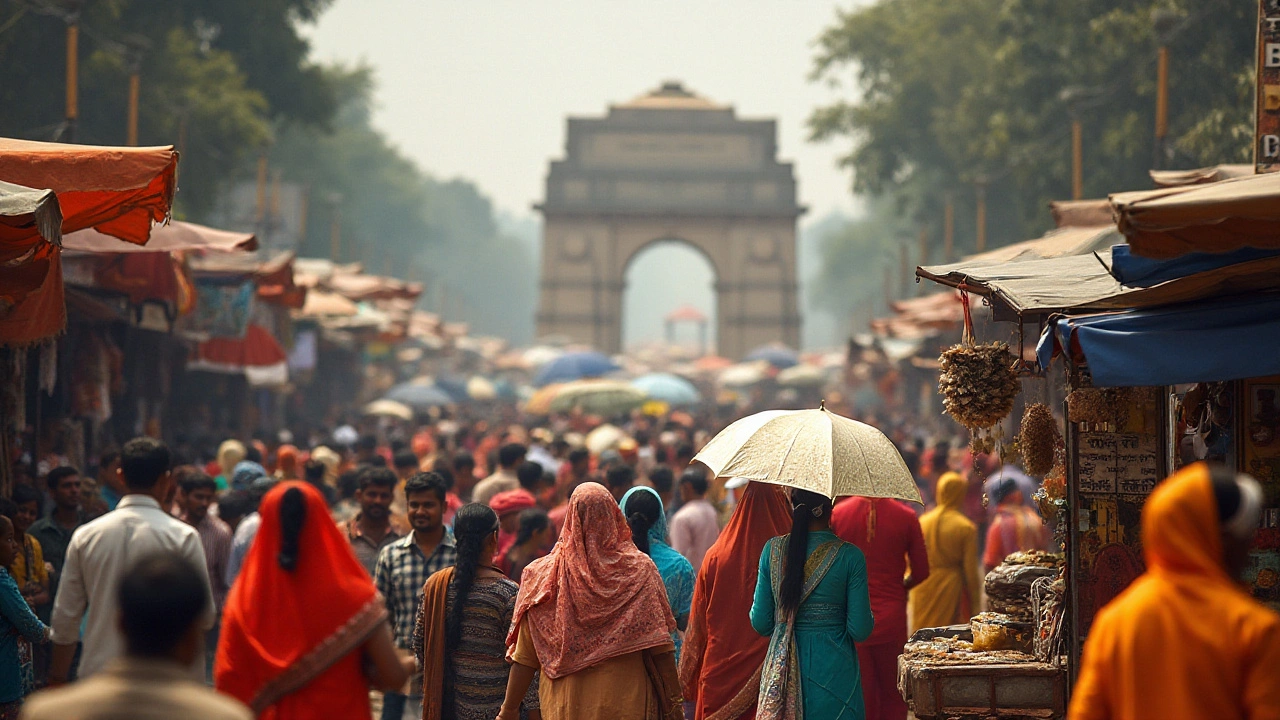
When you think of North India travel, the vibrant, historic, and spiritually rich region stretching from the Himalayas to the Thar Desert. Also known as Northern India, it’s where ancient empires left behind forts and temples, and where modern life hums alongside centuries-old rituals. This isn’t just a tourist loop—it’s a living landscape where you can sip chai beside a 500-year-old mosque in Delhi, hike to a mountain shrine in Uttarakhand, or stand in awe before the Taj Mahal at sunrise.
North India tourism, a category that includes everything from royal cities to sacred rivers. Also known as Northern Indian circuit, it’s built on a few key pillars: history, spirituality, and food. Cities like Jaipur, Agra, and Varanasi aren’t just on maps—they’re experiences. In Jaipur, you walk through pink-walled bazaars selling hand-blocked fabrics. In Varanasi, the Ganges glows with floating lamps at dusk. And in Rishikesh, yoga studios sit beside riverbanks where pilgrims bathe and adventurers jump into rapids. This region also leads in temple tours India, offering some of the most visited and spiritually powerful shrines in the country. Also known as Hindu pilgrimage routes, it includes Kashi Vishwanath in Varanasi, the Golden Temple in Amritsar, and the ancient temples of Haridwar. These aren’t just photo stops—they’re places where devotion is daily life.
And if you’re worried about safety, safe travel India, isn’t a myth—it’s a reality in North India’s well-traveled corridors. Also known as tourist-friendly India, cities like Delhi, Agra, Jaipur, and Rishikesh have clear paths for visitors, English-speaking guides, and reliable transport. You won’t find wild uncertainty here—you’ll find organized chaos, the kind that feels alive, not risky. Street food? Absolutely. Just stick to busy stalls with high turnover, like the tandoori chicken vendors near Jama Masjid or the dal-bati stalls in Jodhpur. And yes, Americans and other foreigners eat here daily without issue—just skip raw salads and unboiled water.
North India travel also gives you access to some of India’s most dramatic landscapes. From the snow-capped peaks of the Himalayas near Manali to the desert dunes of Jaisalmer, the region balances extreme beauty with practical access. If you’re looking for a trek, Kuari Pass is perfect for beginners. If you want to raft, Rishikesh delivers. And if you want to feel the pulse of tradition, attend Holi in Mathura or Diwali in Varanasi.
What you’ll find in the posts below isn’t just a list of places. It’s a collection of real stories: where to eat safely, which temples to visit first, how to avoid tourist traps, and why North India isn’t just a stop on your India itinerary—it’s the heart of it. Whether you’re planning your first trip or returning for the third time, this region keeps revealing new layers. Let’s get into what others have learned.
Exploring Safety: North vs. South India Travel
The safety of travelers in India often sparks debates, especially between the diverse regions of North and South India. Each region presents unique challenges and advantages from bustling urban areas to serene landscapes. Understanding the cultural dynamics, regional differences, and safety statistics can greatly impact travel experiences. By uncovering practical tips and interesting facts, travelers can make informed decisions for their journeys.