North India Monsoon: What to Expect and Where to Go
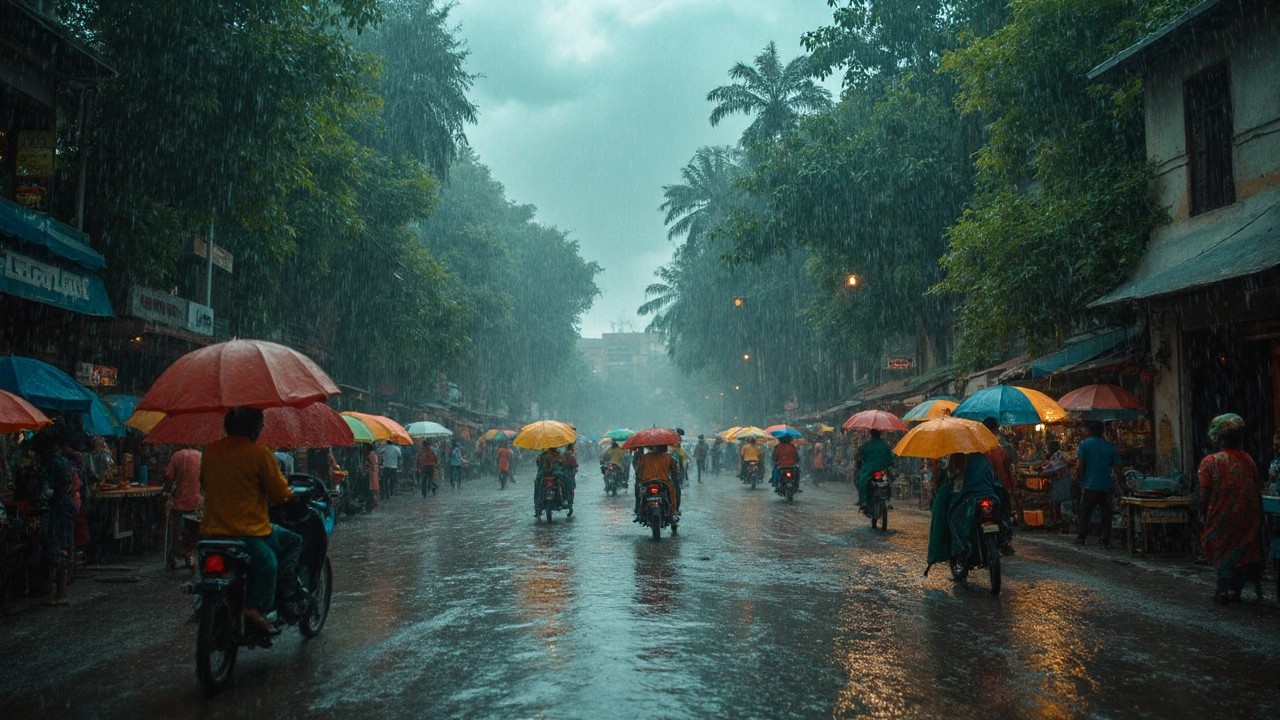
When the North India monsoon, the seasonal rainy period that revives the plains, mountains, and sacred rivers of northern India arrives, the region doesn’t just get wet—it comes alive. Cities like Delhi and Jaipur cool down, the Ganges swells with pilgrims, and the Himalayan foothills turn into misty wonderlands. This isn’t the time to hide indoors—it’s the season when India’s spiritual heart beats loudest, and nature reclaims its rhythm.
The monsoon season in North India, typically lasting from late June to September isn’t just about rain. It’s when the Aravalli hills bloom with wildflowers, the deserts of Rajasthan turn into temporary lakes, and temples in Varanasi and Haridwar see a surge in quiet, reflective pilgrims. Unlike the tourist crowds of winter, monsoon visitors experience a slower, deeper India—where street food stalls serve steaming kachori with extra chutney to fight the chill, and train rides between Agra and Jaipur feel like moving through a living watercolor painting. The monsoon festivals in North India, including Teej and Raksha Bandhan, are deeply personal, often centered around women, music, and rituals that honor the earth’s renewal.
For travelers, the monsoon isn’t a barrier—it’s a filter. It clears out the noise and leaves behind the real India: the smell of wet earth near the Yamuna, the sound of temple bells echoing over rain-soaked rooftops in Rishikesh, and the sight of farmers smiling as their fields turn green. You won’t find empty beaches here, but you’ll find something better—empty temples, quiet treks like Kuari Pass after the rains, and local guides who know the safest routes through flooded backroads. The monsoon trekking in India, especially in Uttarakhand and Himachal Pradesh, offers some of the most dramatic landscapes of the year, with waterfalls bursting from cliffs and valleys so green they look painted.
It’s not without challenges—roads can wash out, power cuts happen, and humidity sticks to your skin. But if you pack smart—quick-dry clothes, waterproof shoes, and a sense of patience—you’ll discover a side of North India most tourists never see. The monsoon doesn’t shut things down; it slows them down, and in that pause, you find the soul of the place.
Below, you’ll find real stories from travelers who’ve walked through the rains, eaten under awnings in Amritsar, and caught the first monsoon mist over the Himalayas. Whether you’re planning your next trip or just curious what happens when the clouds roll in, these posts will show you how to move with the season—not against it.
Wettest Month in India: Why July Reigns and How It Impacts North India Tourism
Wondering when India gets absolutely drenched? July takes the top spot as the country’s wettest month, transforming landscapes and travel plans—especially in North India. Knowing what to expect weather-wise can make or break your trip. This article unpacks the reasons behind July’s downpours, how it shapes tourism, and practical hacks for making the most of your visit. Love dramatic skies or hate soggy shoes? Either way, it pays to plan ahead.