North India: Best Destinations, Culture, and Travel Tips
When you think of North India, the cultural and geographic heart of the country, stretching from the Himalayas to the Thar Desert. Also known as Northern India, it’s where history isn’t locked in museums—it’s alive in the chants of Varanasi, the spice-scented alleys of Jaipur, and the high-altitude trails of Manali. This isn’t just a region; it’s a mosaic of traditions, landscapes, and experiences that draw travelers from every corner of the world.
Indian culture, a living tapestry woven from thousands of years of religion, art, and daily ritual. Also known as Hindu and Mughal heritage, it’s most visible here—in the golden spires of the Golden Temple, the marble grandeur of the Taj Mahal, and the rhythmic drumbeats of Holi in Mathura. Unlike other parts of India, North India’s culture is often the first foreign visitors encounter, making it a powerful introduction to the country’s soul. But it’s not all temples and palaces. The real magic happens in the quiet corners: a chai wallah serving hot tea at dawn in Rishikesh, a grandmother weaving Pashmina in Kashmir, or the echo of bhajans drifting from a roadside shrine near Haridwar.
North India tourism, one of the most developed and safest travel experiences in the country, with clear infrastructure, English-speaking guides, and well-maintained routes. Also known as the Golden Triangle circuit, it connects Delhi, Agra, and Jaipur—three cities that cover 90% of what first-time visitors come for. But beyond that, places like Spiti Valley, Amritsar, and Uttarakhand offer solitude, adventure, and spiritual depth without the crowds. If you’re looking for adventure, North India delivers: rafting in Rishikesh, trekking to Kuari Pass, paragliding in Manali, and biking through Ladakh. And if you’re worried about safety, you’re right to ask—North India is consistently rated among the safest regions for solo travelers, families, and first-timers in 2025.
Food here is bold, comforting, and unforgettable. From butter chicken in Delhi to dal baati churma in Rajasthan, the flavors are deep and the portions generous. Americans and other international visitors often ask what they can eat safely—answer: stick to hot, freshly cooked food. Tandoori chicken, roti, dal, and paneer dishes are your best friends. Avoid raw salads and tap water, and you’ll be fine. Street food? Yes—but only where locals line up.
What you won’t find in North India? Beaches. That’s South India’s domain. What you will find? Mountains that touch the sky, temples older than most European cities, and a rhythm of life that moves slower than you think—but deeper. Whether you’re here for spirituality, adrenaline, or just to taste real Indian life, North India doesn’t just welcome you—it changes you.
Below, you’ll find real stories from travelers who climbed Kuari Pass, ate their first paratha in Varanasi, and got lost in the alleys of Jaisalmer. These aren’t generic lists. They’re honest, practical, and full of the kind of details you won’t find in guidebooks. Ready to explore?
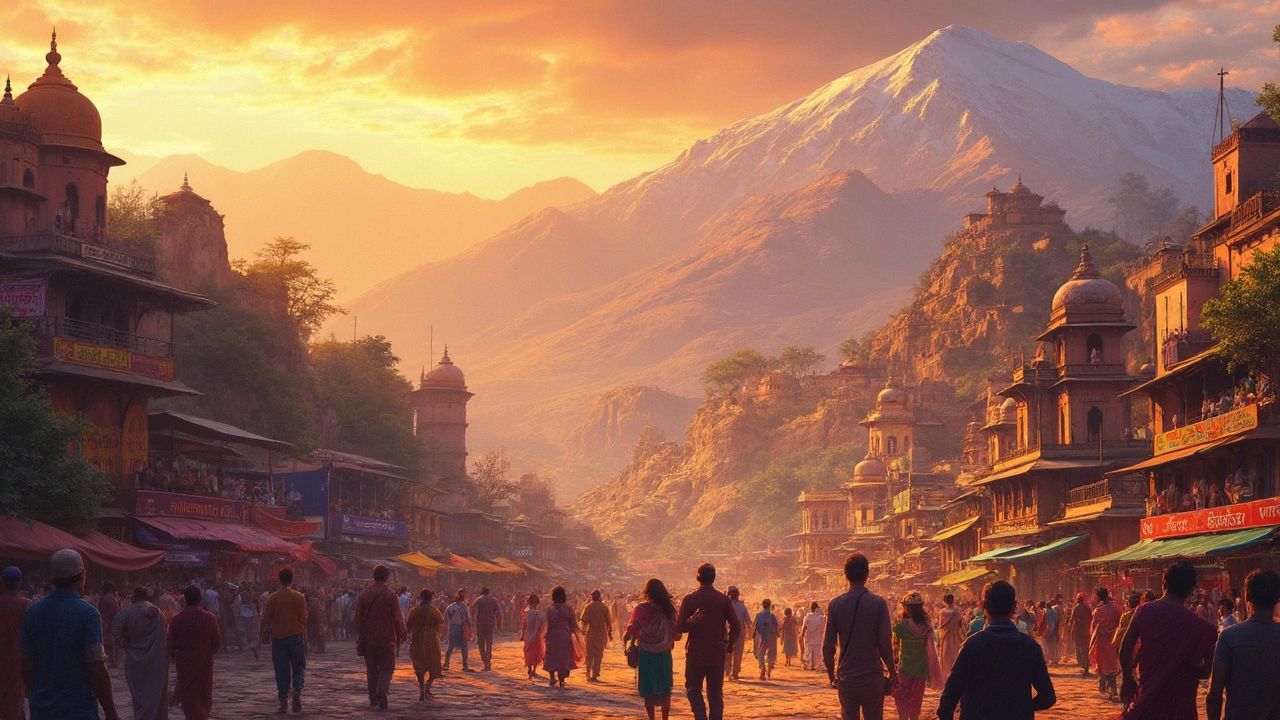
Exploring North India: A Traveler's Guide
Choosing between North and South India for your next travel destination? North India offers a wealth of cultural experiences, historical landmarks, and diverse landscapes. From the majestic Himalayas to the bustling streets of Delhi, this guide provides insights into why North India might just be the ideal choice for your next adventure. Discover top destinations, travel tips, and the unique charm of this vibrant region.