Nanda Devi Base Camp: Trekking, Views, and What You Need to Know
When you hear Nanda Devi Base Camp, a high-altitude trekking destination in the Indian Himalayas, known for its raw beauty and spiritual significance. Also known as Nanda Devi Sanctuary Base Camp, it’s one of the most respected treks in India—not because it’s easy, but because it demands respect. This isn’t just a hike. It’s a journey into one of India’s most sacred and restricted mountain zones, where the peak of Nanda Devi—India’s second-highest mountain—looms over glaciers, alpine meadows, and ancient trails used by pilgrims for centuries.
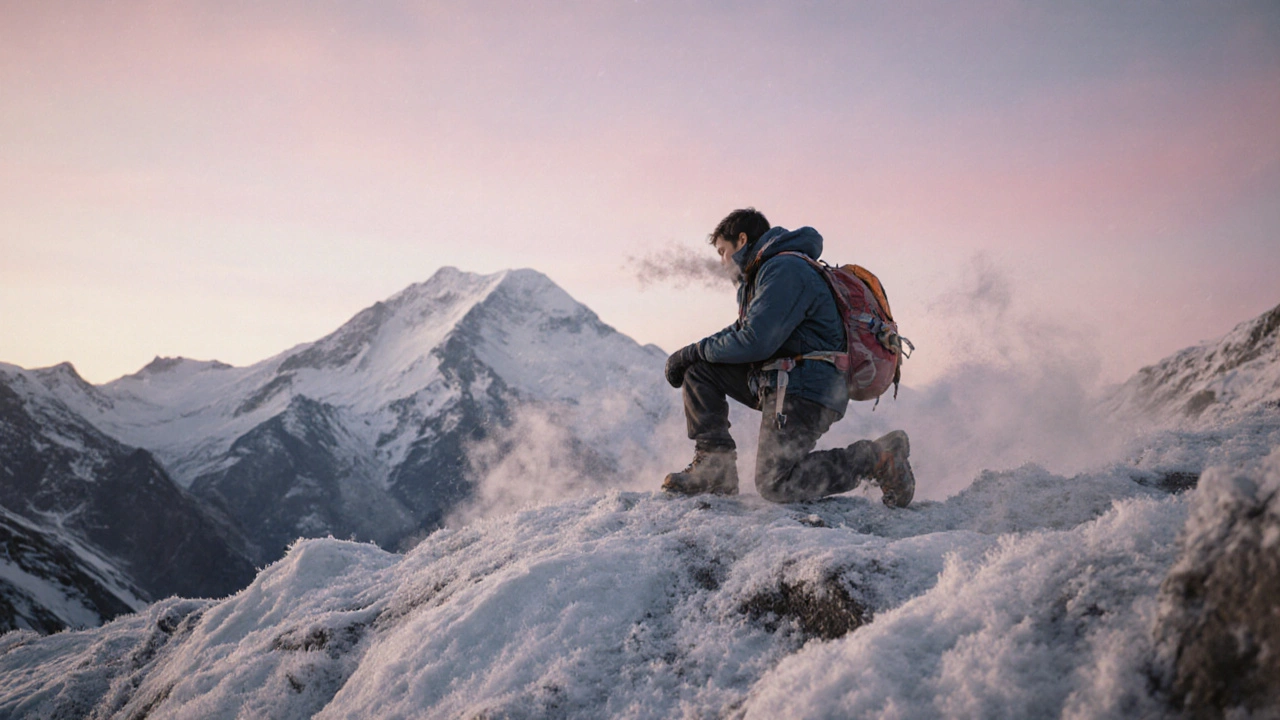
The trek starts in Joshimath or Auli, and you’ll pass through lush forests before hitting the tree line. From there, the terrain opens into rocky ridges and snow-dusted valleys. The base camp sits at around 4,300 meters, and the real challenge isn’t just the altitude—it’s the remoteness. There are no shops, no phone signals, and no easy exits. You carry everything in, and you carry everything out. That’s why most people do this trek with a guide or a group. It’s not a solo adventure for beginners. But if you’ve done a few high-altitude treks before—like Kuari Pass or Dayara Bugyal—this is the next step up. The views? Unmatched. You’ll see Nanda Devi’s massive west face, the surrounding peaks like Sunanda Devi and Rishi Pahar, and the way the light hits the snow at sunrise feels like something out of a myth.
What makes Nanda Devi Base Camp different from other Himalayan treks is its history. The area was closed to trekkers for decades because of conservation rules and the mountain’s religious status. Even now, you need special permits, and access is limited. That means fewer crowds, more silence, and a real sense of being somewhere untouched. You won’t find fancy tea houses here. You’ll sleep in tents, eat simple meals, and wake up to the sound of wind over glaciers. It’s raw. It’s real. And it’s one of the few places left in India where you can still feel the weight of the mountains.
If you’re planning this trek, timing matters. The best window is late May to early June, and again in September and early October. Avoid monsoon season—the trails turn muddy and dangerous. Winter? Forget it. Snow blocks the route, and temperatures drop below -20°C. Pack for all conditions: thermal layers, a good down jacket, waterproof boots, and a reliable sleeping bag. And don’t forget altitude sickness meds. Acetazolamide can be a lifesaver.
People often ask if it’s worth it. The answer isn’t about photos or bragging rights. It’s about what you carry back—not just memories, but a quiet understanding of how small you are in the face of nature. The posts below cover everything from how to prepare your gear, to what the permits actually require, to how this trek compares to others like Valley of Flowers or Roopkund. Whether you’re a first-time high-altitude trekker or someone who’s done ten Himalayan trails, you’ll find something useful here.
What Is the Hardest Place to Hike in India?
The Kailash Mansarovar trek is widely considered the hardest hike in India due to extreme altitude, isolation, and harsh weather. Learn why this pilgrimage challenges even the most experienced trekkers-and who should attempt it.