Must-Visit Temples in India: Top Pilgrimage Sites and Hidden Gems
When you think of must-visit temples, sacred spaces where faith, history, and architecture come together in India. Also known as Hindu pilgrimage sites, these temples aren’t just buildings—they’re living centers of community, ritual, and centuries-old tradition. From the golden spires of Tirupati to the stone carvings of Madurai, India’s temples draw over 100 million pilgrims every year. You don’t need to be religious to feel something here—whether it’s the scent of incense, the sound of bells, or the quiet hum of devotion, these places carry a weight you can’t find in museums or monuments.
The Tirumala Venkateswara Temple, the most visited temple in the world, welcoming more than 50 million people annually isn’t just big—it’s a spiritual engine. Pilgrims come from every corner of India and beyond, often walking hundreds of miles just to touch the deity’s feet. Then there’s Varanasi, a city with over 2,100 temples lining the Ganges, where every alley holds a god, a chant, or a candlelit ritual. These aren’t tourist stops—they’re the heartbeat of daily life. In Bhubaneswar, you’ll find ancient stone temples so well preserved they look like they were carved yesterday. In Madurai, the Meenakshi Temple pulses with color, music, and festivals that last for weeks.
But visiting a temple in India isn’t like walking into a church or mosque. There are rules, quietly followed by locals and often missed by visitors. You’ll need to remove your shoes, cover your shoulders, and avoid leather. Some temples won’t let non-Hindus enter the inner sanctum—others welcome everyone. Knowing these details isn’t about following rules—it’s about showing respect. The temple etiquette India, the unspoken codes of behavior that keep these sacred spaces alive are part of the experience. Skip the photo rush. Sit quietly. Watch the priests light lamps. Let the energy settle in.
What makes these temples unforgettable isn’t just their size or age—it’s how deeply they’re woven into the rhythm of life. You’ll find farmers offering rice before heading to the fields. Grandmothers whispering prayers as they pass. Children learning their first mantras by heart. These aren’t relics. They’re alive. And the best way to understand them isn’t by checking them off a list—it’s by showing up, quietly, with an open heart.
Below, you’ll find real stories from travelers who’ve walked these paths—whether they came for faith, curiosity, or just a quiet moment away from the noise. Some found peace. Others found wonder. A few found themselves. Whatever you’re looking for, these temples have room for it.
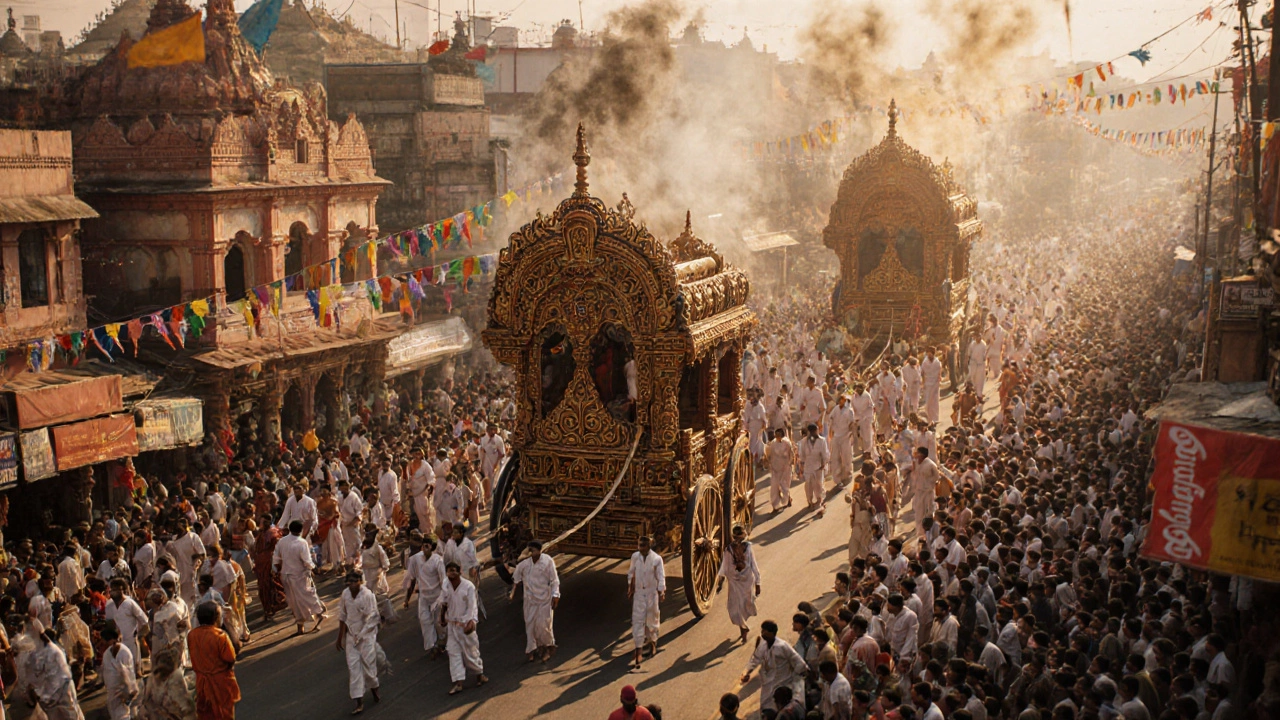
What Are the 4 Most Important Temples in India?
Discover the four most spiritually significant temples in India-Jagannath, Meenakshi Amman, Golden Temple, and Kashi Vishwanath-each offering a unique window into India's rich religious traditions and cultural heritage.