Most Expensive Month in India: When Travel Costs Spike and How to Avoid Them
When you think about traveling to India, you might picture temples, spice markets, and quiet beaches—but you probably don’t think about how much it costs. The most expensive month in India, the peak tourist season when demand surges and prices skyrocket is December. That’s when flights from the US and Europe hit their highest rates, luxury resorts fill up months in advance, and even basic guesthouses in Goa or Jaipur double their prices. It’s not just about the weather—it’s about holidays, festivals, and the global rush to escape winter.
This spike isn’t random. December lines up with Christmas, New Year’s, and the winter break for schools in North America and Europe. At the same time, India’s weather is at its best: clear skies in Rajasthan, mild temperatures in Kerala, and dry, cool air in the Himalayas. Tourists flood into places like Agra, Udaipur, and Rishikesh, turning once-quiet streets into packed sidewalks. Hotels know this. Airlines know this. And they charge accordingly. You’ll pay 50-100% more for the same room you could’ve booked in October. A train ticket from Delhi to Varanasi that costs ₹800 in November might jump to ₹1,500 in December. Even street food vendors raise prices slightly, knowing tourists have less patience for haggling.
The peak season in India, the period when tourism demand is highest and services are stretched thin isn’t just December—it stretches from late November through early January. That’s when you’ll see the biggest crowds at the Taj Mahal, the busiest temples in Tirupati, and the most packed flights to Goa. If you’re looking for a quiet moment by the backwaters of Kerala or a peaceful walk through the hills of Coonoor, this isn’t the time. The budget travel in India, the practice of exploring India without overspending through smart timing and local knowledge strategy isn’t about skipping the country—it’s about skipping the month. Travel in September or February, and you’ll get the same temples, the same food, the same sunsets—but without the crowds, the markups, or the stress.
And here’s the thing: the India tourism prices, the fluctuating costs of flights, accommodations, and tours across different times of year don’t just affect your wallet—they affect your experience. When you’re jostling through crowds at sunrise to see the Taj Mahal, you’re not soaking in its beauty. You’re waiting in line. You’re dodging selfie sticks. You’re missing the quiet moments that make travel meaningful. The cheapest months in India aren’t just about saving money. They’re about reclaiming the rhythm of travel—slow, real, and unfiltered.
Below, you’ll find real stories from travelers who’ve been there—what they paid, where they went, and how they saved money even during the busiest times. Whether you’re planning a honeymoon, a solo trek, or a family trip, you’ll find the facts you need to avoid overpaying and still get the India you dreamed of.
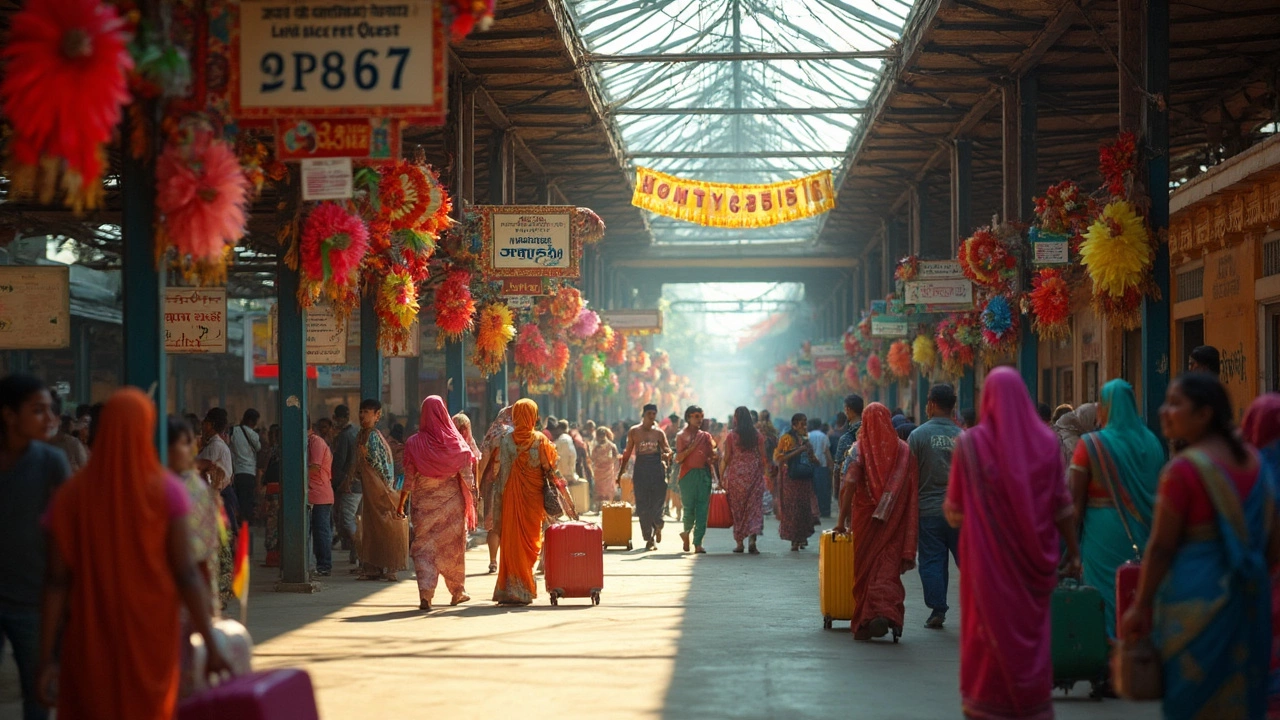
Most Expensive Month to Visit India: What You Need to Know Before Booking South India
Curious about when you'll pay the most—and why—if you travel to South India? This guide reveals the priciest month, what drives up the costs, and offers easy tips to save on your trip. Find out how weather, local festivals, and school holidays affect prices so you can plan smarter. We’ll also break down price comparisons and real traveler experiences. Avoid the sticker shock and make your journey worth every rupee.