Money Tips for Traveling in India: How to Save and Spend Smart
When you're planning a trip to India, a country where daily life blends ancient traditions with modern economy. Also known as the Indian subcontinent, it's one of the most affordable travel destinations in the world—if you know how to navigate it. This isn’t about skipping meals or sleeping in hostels. It’s about spending wisely so you can experience more: a quiet morning at a temple, a ride on a local train, a plate of hot dosa from a street vendor who’s been making them for 30 years.
Budget travel in India, a system built on local prices, seasonal shifts, and smart choices. Also known as low-cost travel, it works because the cost of living here is fundamentally different than in Western countries. A dollar goes further than you think. One U.S. dollar can buy you a fresh coconut, a local bus ride across town, or two samosas with chutney. But knowing where to spend and where to save makes all the difference. For example, skipping tourist restaurants in Delhi and eating where the locals queue up can cut your food bill by 70%. Train travel isn’t just cheap—it’s part of the experience. A sleeper class ticket from Delhi to Agra costs less than a coffee in New York, and you’ll see more of the country in those six hours than you would in a private car.
USD to INR exchange, the real key to stretching your travel budget. Also known as foreign currency conversion, it’s not about getting the best rate at the airport—it’s about using ATMs in cities and avoiding currency exchange kiosks that charge hidden fees. Most travelers don’t realize that carrying large amounts of cash isn’t safer—it’s riskier. Use your debit card at State Bank of India or HDFC ATMs. They give you the real exchange rate, no markups. And if you’re traveling in the off-season, like October or March, you’ll find hotels and tours dropping prices by 30–50%. The best money tip? Don’t rush. Stay longer. The longer you stay, the more you learn where locals eat, where the real bargains are, and how to haggle without being rude.
Some travelers think India is only cheap because it’s underdeveloped. That’s not true. It’s cheap because the economy runs on volume, not luxury. A three-star hotel in Jaipur might cost $25 a night because the owner serves breakfast with homemade chai and doesn’t charge for Wi-Fi. A guided temple tour in Varanasi costs $10 because the guide makes his living from five tours a day, not one expensive booking. This isn’t poverty—it’s a different way of doing business.
Don’t fall for the myth that you need to spend big to see the best of India. The Golden Temple doesn’t charge entry. The backwaters of Kerala can be explored on a $5 houseboat with a local fisherman. The hills of Manali don’t need a pricey tour operator—you can rent a bike for $10 and find your own trail. The real value isn’t in five-star resorts. It’s in the quiet moments: watching the sunrise over the Ganges, sharing tea with a shopkeeper who remembers your name, or catching a local bus to a village no map mentions.
Below, you’ll find real stories from travelers who’ve made every rupee count—how they ate like locals, slept smart, moved cheaply, and still saw more than most tourists ever do. Whether you’re watching the sunset at a temple in Tamil Nadu or riding a train through Rajasthan, these money tips will help you travel deeper, not just farther.
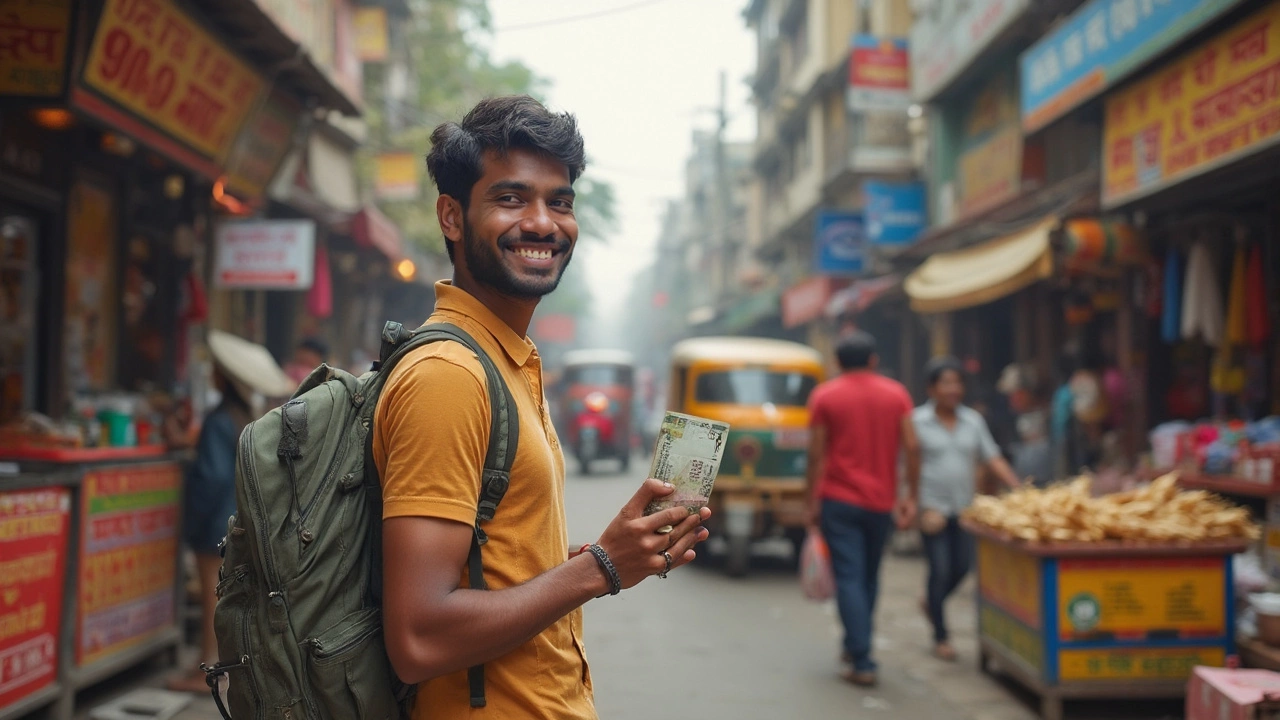
Is 500 Rupees a Lot in India? Real Costs for Budget Travelers
Curious if 500 rupees can take you far in India? Find out how much you can do, eat, and see on a tight budget in cities and small towns. This guide gives practical examples, smart budgeting tips, and real prices for common needs. See how the cost of living plays out for travelers in 2025, including hidden fees and simple saving hacks. Learn exactly where your rupees stretch, and how to spot the best deals along the way.