Mixed World Heritage Site India: Culture, Nature, and History Combined
When you think of Mixed World Heritage Site India, a UNESCO designation for places that hold both outstanding cultural and natural value. Also known as cultural-natural heritage sites, these locations aren’t just beautiful—they’re living records of how people and nature have shaped each other for centuries. India is one of the few countries with multiple sites that earned this rare double recognition, where temples rise beside forests, rivers flow past ancient carvings, and sacred mountains draw pilgrims and hikers alike.
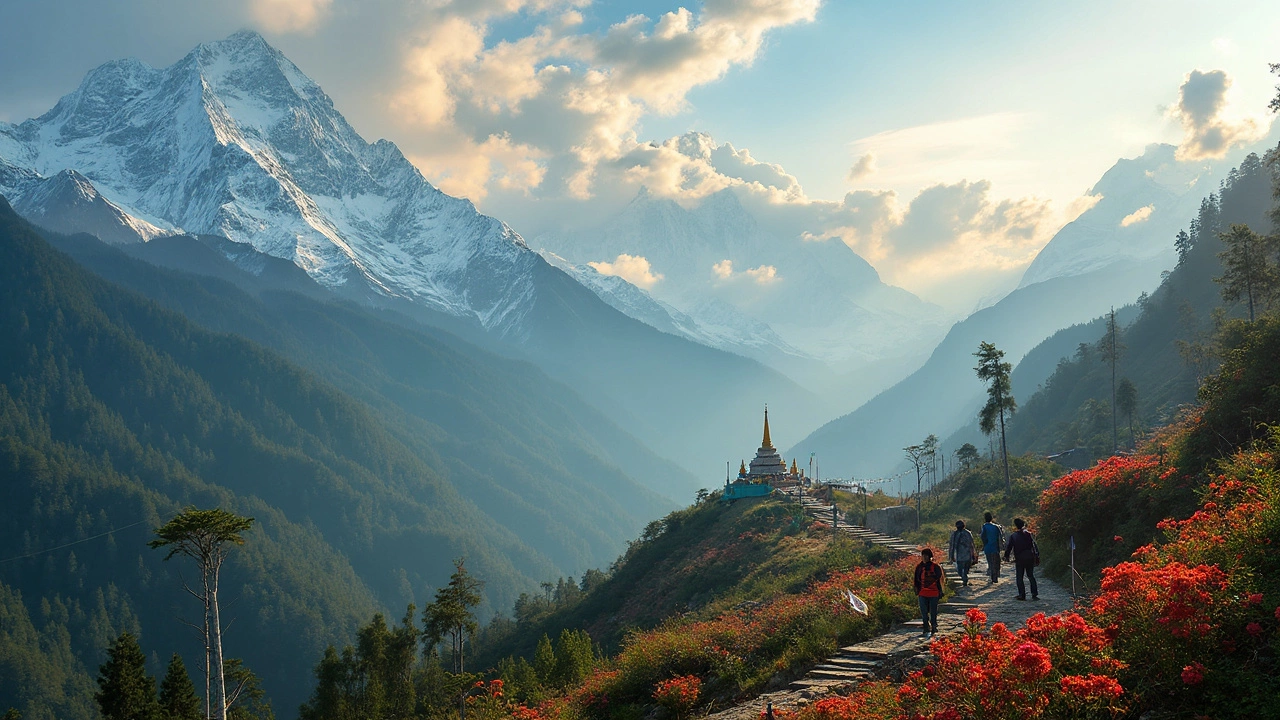
These sites aren’t just postcard views. They’re places where tradition and ecology depend on each other. For example, the Khangchendzonga National Park, a sacred landscape in Sikkim that protects rare wildlife and is central to local Buddhist and indigenous beliefs isn’t just a park—it’s a living temple. The mountains aren’t just peaks; they’re deities. Similarly, the Great Himalayan National Park, in Himachal Pradesh, shelters endangered species like the snow leopard while also being tied to centuries-old herding and pilgrimage routes. These aren’t separate stories. The culture here grew from the land, and the land was preserved because of the culture.
What makes these sites different from regular UNESCO spots? Most World Heritage Sites in India are either cultural—like the Taj Mahal or Khajuraho—or natural—like the Sundarbans. But the mixed ones are rarer because they require proof that humans didn’t just live near nature—they lived with it, respectfully, sustainably, and spiritually. That’s why visiting them feels different. You’re not just seeing a temple or hiking a trail. You’re walking through a story where religion, ecology, and community are woven together.
You’ll find that many of the posts below dive into the culture behind these places—like the temples of Varanasi, the rituals of pilgrimage, or how local communities protect sacred forests. Others explore the trails, treks, and natural beauty that draw adventurers to these regions. Whether you’re planning a quiet retreat or a deep-dive cultural journey, the mixed World Heritage sites of India offer something no single-category site can: depth, meaning, and a sense of place that stays with you long after you leave.
Mixed World Heritage Sites in India: Which Place Holds This Unique Status?
India has only one site recognized as a 'mixed' World Heritage Site by UNESCO, combining both natural beauty and rich cultural significance. This article dives into what makes a World Heritage Site 'mixed,' and shines a light on Khangchendzonga National Park in Sikkim. Expect practical tips for visiting, cool facts most people miss, and a look at why no other site in India has pulled off this rare double honour. Get ready to see how nature, folklore, and local communities all share the spotlight in this Himalayan wonder.